

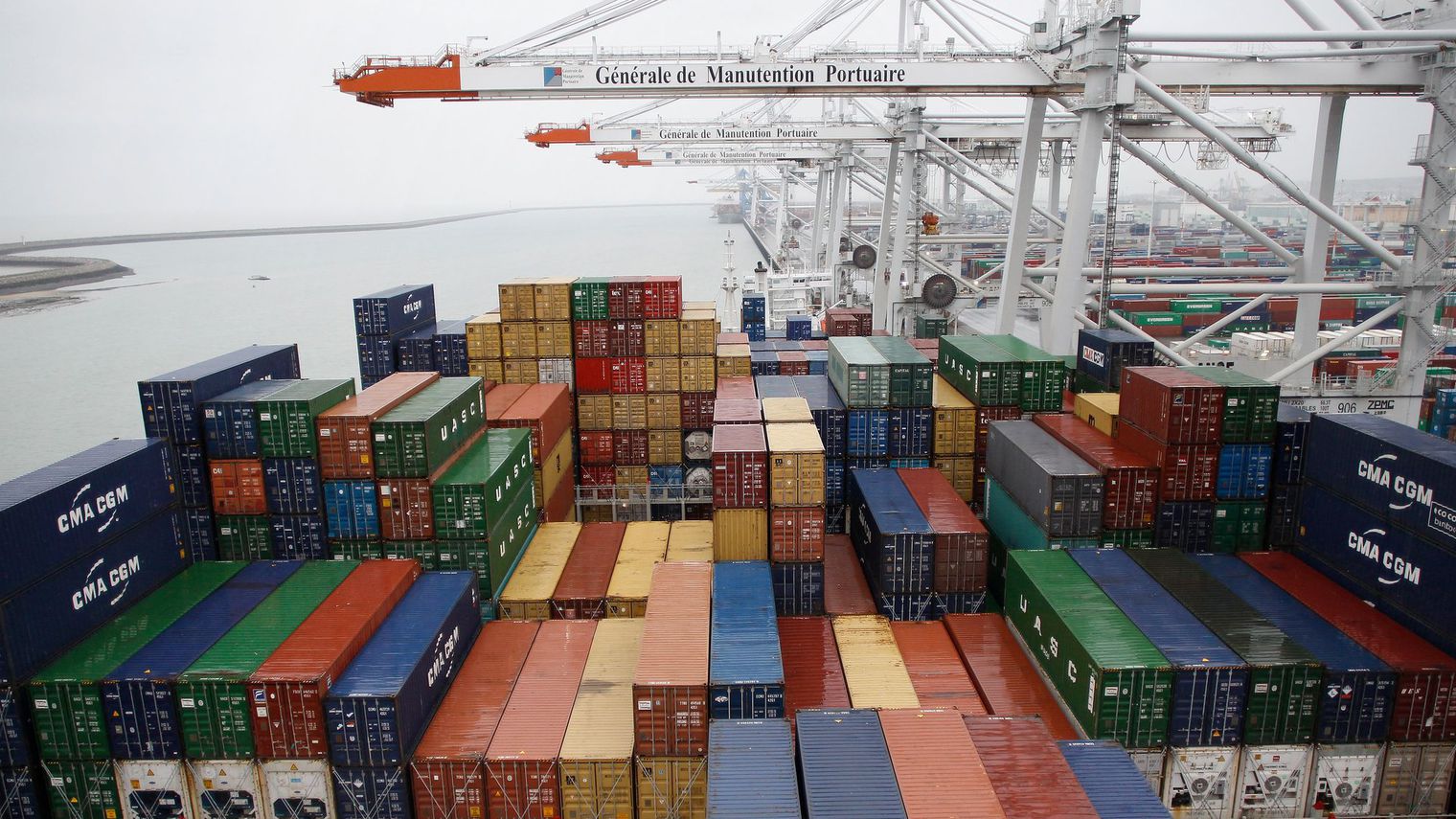
Morocco trade deficit widened significantly in the first half of 2026, as imports accelerated faster than exports, while remittances from Moroccans living abroad and travel receipts continued to support the country’s external position.
Morocco trade deficit: what to know
According to figures from the Foreign Exchange Office cited by Bank Al-Maghrib, the deficit in goods trade reached 198.4 billion dirhams by end-June 2026, up 23.5% year-on-year.
Imports rose to 458.8 billion dirhams, an increase of 15.3%. Exports amounted to 260.4 billion dirhams, up 9.7% over the same period.
As a result, the import coverage ratio fell to 56.8%, compared with 59.6% a year earlier. This wider Morocco trade deficit reflects a growing reliance on foreign purchases.
Equipment, energy and consumer goods drive imports
Several categories explain the strong increase in imports, with trends that could eventually weigh on living costs and investment conditions in the country.
- Final capital goods: up 21.2% to 112.3 billion dirhams.
- Utility vehicles: a 73.7% jump to 6.2 billion dirhams.
- Aircraft parts and other airborne vehicles: up 29.7% to 11.1 billion dirhams.
- Energy products: up 28.9% to 68.6 billion dirhams.
- Raw products: up 37.7% to 28.8 billion dirhams, driven by crude and unrefined sulphur.
- Finished consumer goods: up 14.2% to 111.1 billion dirhams, including a marked rise in imported passenger cars.
This heavier energy bill and the rise in imported consumer goods may, over time, be reflected in prices and service costs in Morocco, including for summer stays and return projects of Moroccans abroad.
Exports remain dynamic but cannot close the gap
On the export side, several industries are still showing solid performances despite the surge in imports.
The automotive sector remains the main growth engine, with exports up 17.4% to 93.7 billion dirhams. Other export segments also help to cushion the impact, but not enough to offset the strong demand for imported equipment, energy and consumer goods.
For investors within the Moroccan community abroad, this gap between imports and exports highlights the appeal of export-oriented sectors, particularly automotive and industrial activities integrated into global value chains.
What this means for Moroccans living abroad
This wider Morocco trade deficit does not, in the short term, imply direct changes to your travel plans or remittances. Travel receipts, remittances from Moroccans around the world and foreign direct investment are still growing, which helps mitigate the impact of the trade gap.
However, these trends send several useful signals for your decisions:
- Cost of living: a higher energy bill and more expensive imports could, over time, push some prices higher in Morocco.
- Housing and return projects: rising prices for imported equipment and materials may increase the cost of construction, renovation and fit-out projects.
- Investment choices: export-driven sectors such as automotive appear more resilient than activities fully dependent on imports.
Before launching a project back home, it may be useful to track external accounts, but also seek advice from official or professional sources. You can also consult our Canal212 guide on key procedures for Moroccans abroad to better plan investments, remittances and return plans.
For travel, the websites of airlines and transport authorities, such as Royal Air Maroc, remain essential to follow offers, schedules and adjust your trips in a changing international environment.
For more context, readers can follow Canal212 news for Moroccans abroad.
Don’t miss out on the latest news from the diaspora!
Sign up for our next newsletter to receive our practical guides, advice (on procedures and investment) and the latest news for French nationals living abroad, delivered straight to your inbox.