


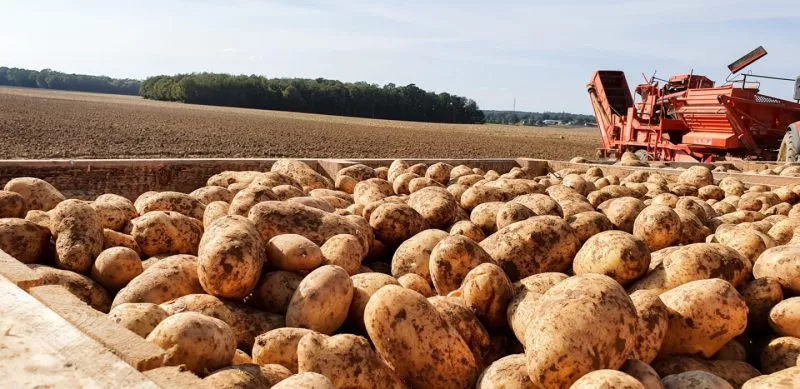
This update focuses on Morocco potato imports. Morocco has had to rely on exceptional potato imports in 2026 to stabilize prices after a heavily disrupted farming season.
Morocco potato imports hit record levels
According to figures shared by the specialist platform EastFruit, the table potato market went through an unprecedented situation in the 2025-2026 campaign.
Morocco potato imports of fresh table potatoes exceeded 12,000 tons between July 2025 and June 2026. This volume is reported to be around 50% higher than the total of the previous five years combined, and 2.4 times above the previous record set in the 2008-2009 season.
The main goal of these massive purchases was to avoid a lasting shortage on local markets and to contain price spikes for households.
Floods in the north and collapse of local supply
This surge in Morocco potato imports was not driven by a boom in demand, but by a major climate shock.
In January and February 2026, severe floods hit several producing areas in the north of the country, particularly the Loukkos basin. Many farms there lost their entire potato crop.
Faced with this sudden collapse in national supply, imports soared from March onward. They peaked in April and May, two months that are estimated to have accounted for nearly 80% of all potatoes imported over the year.
This situation comes after several years mainly marked by drought, showing that farming now has to cope with multiple climate risks.
A window of opportunity with Europe
International market conditions nonetheless helped to limit the damage for Moroccan consumers.
At the very moment Morocco was facing a shortage, Europe had surplus potato stocks. Moroccan traders were therefore able to buy at relatively low prices thanks to this excess European supply.
For European producers, this was a way to sell off their stocks. For the Moroccan market, it helped avoid even sharper price hikes on a staple food present in most households.
What this means for Moroccans living abroad
For Moroccans living abroad and travelling home, this situation has several concrete implications.
- During trips to Morocco, especially in spring and summer 2026, some may have noticed higher potato prices than usual, before the market calmed.
- In restaurants and hotels, this context may have fed through into the cost of dishes that rely heavily on potatoes.
- For those considering a return with an agricultural project, the crisis is a reminder that climate risk must be factored into crop choices and investment plans.
Beyond potatoes, this episode highlights how vulnerable some farm sectors remain to climate shocks, and how occasional reliance on imports is sometimes needed to secure food supplies.
Adapting the sector is now essential
Experts point out that more frequent extreme events, from drought to flooding, call for structural responses: better drainage in production basins, crop diversification, climate insurance tools, and improved strategic stock management.
For families in Morocco as well as for Moroccans abroad who maintain strong ties with the country, these issues directly affect the cost of living, food quality and the viability of future farming projects.
While the authorities work on possible long-term measures, this case have acted this year as a safety net for the market. But they also underline the growing cost of climate adaptation for the national economy.
To follow these developments and better prepare a return or an investment back home, Moroccans abroad can turn to official platforms and services dedicated to Moroccans living overseas, alongside Canal212’s own guidance on key procedures.
For more context, readers can follow Canal212 news for Moroccans abroad.
Don’t miss out on the latest news from the diaspora!
Sign up for our next newsletter to receive our practical guides, advice (on procedures and investment) and the latest news for French nationals living abroad, delivered straight to your inbox.