
This update focuses on Morocco election leaflets. As Morocco heads toward its legislative vote, many cities are waking up under a blanket of paper, with campaign leaflets scattered across streets, alleys and public squares. For residents and Moroccans living abroad visiting the country, the image of this election season is raising serious questions.
Public spaces turned into dumpsites
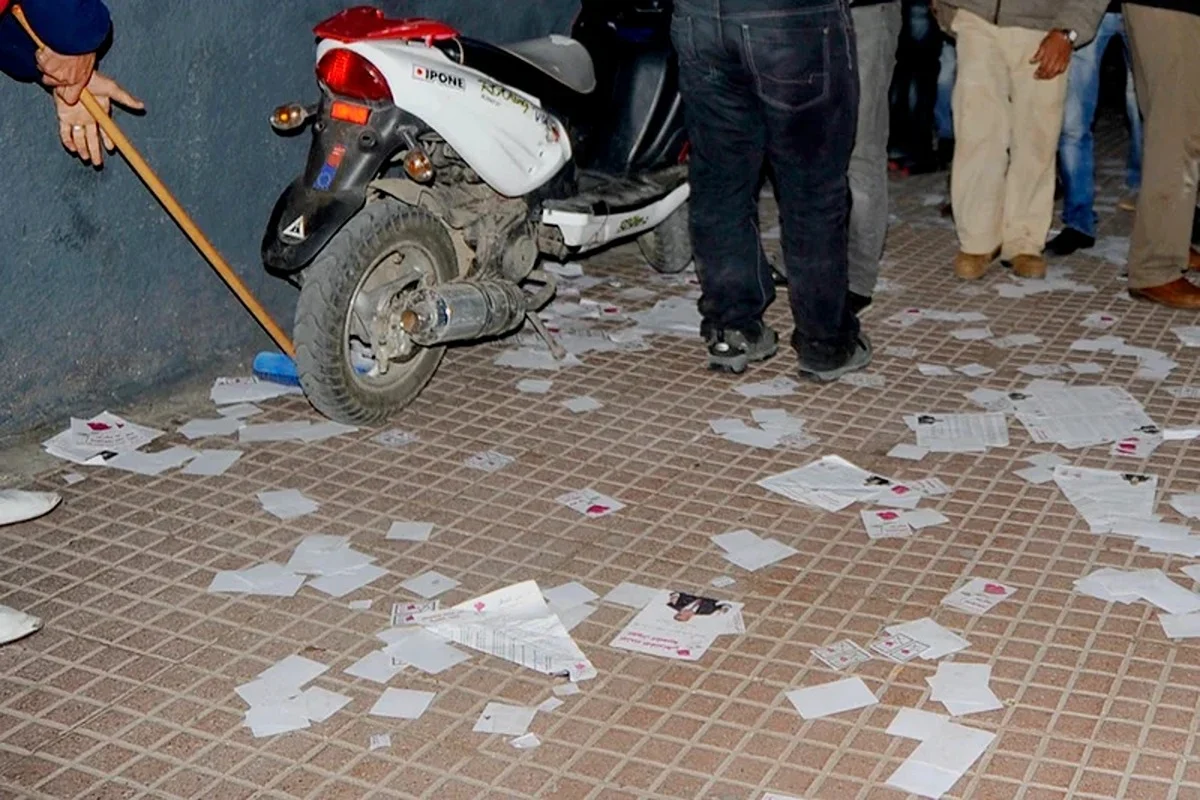
In several regions, ongoing campaigns have dramatically increased the volume of printed material handed out by candidates. Large areas are now turning into improvised dumpsites for partisan propaganda, as each party competes for seats in the House of Representatives.
On the ground, the presence of Morocco election leaflets is impossible to miss. Flyers are thrown from cars, pushed into people’s hands and then abandoned only a few meters away, on sidewalks or overflowing from bins.
Local associations report piles of posters and leaflets around markets, near schools and close to public facilities. Cleaning services are struggling to keep up, especially in dense neighborhoods and busy commercial areas.
Citizens’ frustration and environmental warnings
This wave of paper waste is fueling frustration among many citizens and civil society activists who work on environmental issues. They denounce a form of pollution that spoils the image of cities and makes the job of municipal cleaners and private operators much harder.
The head of an environmental association in Mohammedia is particularly surprised to see leaflets still being dumped in alleys and marketplaces. In his view, this practice damages the credibility of elected officials and political parties rather than boosting their appeal.
Environmental advocates stress that this paper pollution has a real cost: heavier collection work, extra waste to process and massive printing of materials that are often glanced at for only a few seconds.
Morocco election leaflets, a campaign model out of date?
For many observers, these Morocco election leaflets reflect a disconnect with current expectations, at a time when digital tools and targeted online campaigning are expanding. Some civil society actors argue that this approach is simply inefficient and harms parties more than it helps them.
They call for cleaner, better regulated campaigns with a stronger focus on:
- direct meetings with residents,
- substantive public debates,
- responsible use of printed material,
- and clear reliance on digital channels.
These ideas echo the concerns of many Moroccans living abroad who follow politics from a distance and, during their trips home, witness how such practices affect the look and feel of neighborhoods they know well.
What does this mean for Moroccans living abroad?
For members of the diaspora returning home during the elections or afterward, this campaign pollution shapes their experience of the country. Streets cluttered with paper can weaken confidence in local management, at a time when some are considering moving back, investing or buying property.
More broadly, the controversy highlights a central question: how can political mobilization be combined with respect for public space in a country where urban cleanliness has become a shared concern for residents and Moroccans worldwide?
Regulating campaigns, raising awareness among candidates and strengthening environmental culture will be under close watch in upcoming elections. Those looking for practical information on returning, investing or handling procedures can turn to online resources, including the official portal dedicated to Moroccans living abroad and Canal212’s own guides.
For more context, readers can follow Canal212 news for Moroccans abroad.
Don’t miss out on the latest news from the diaspora!
Sign up for our next newsletter to receive our practical guides, advice (on procedures and investment) and the latest news for French nationals living abroad, delivered straight to your inbox.