
Morocco’s political scene tightened on Saturday 3 October 2026, after Nizar Baraka declared that PAM rejects RNI as a partner in the future governing coalition. The move complicates efforts to form the next cabinet, at a moment when several parties are holding crucial national council meetings.
PAM rejects RNI: a statement that shakes up the talks
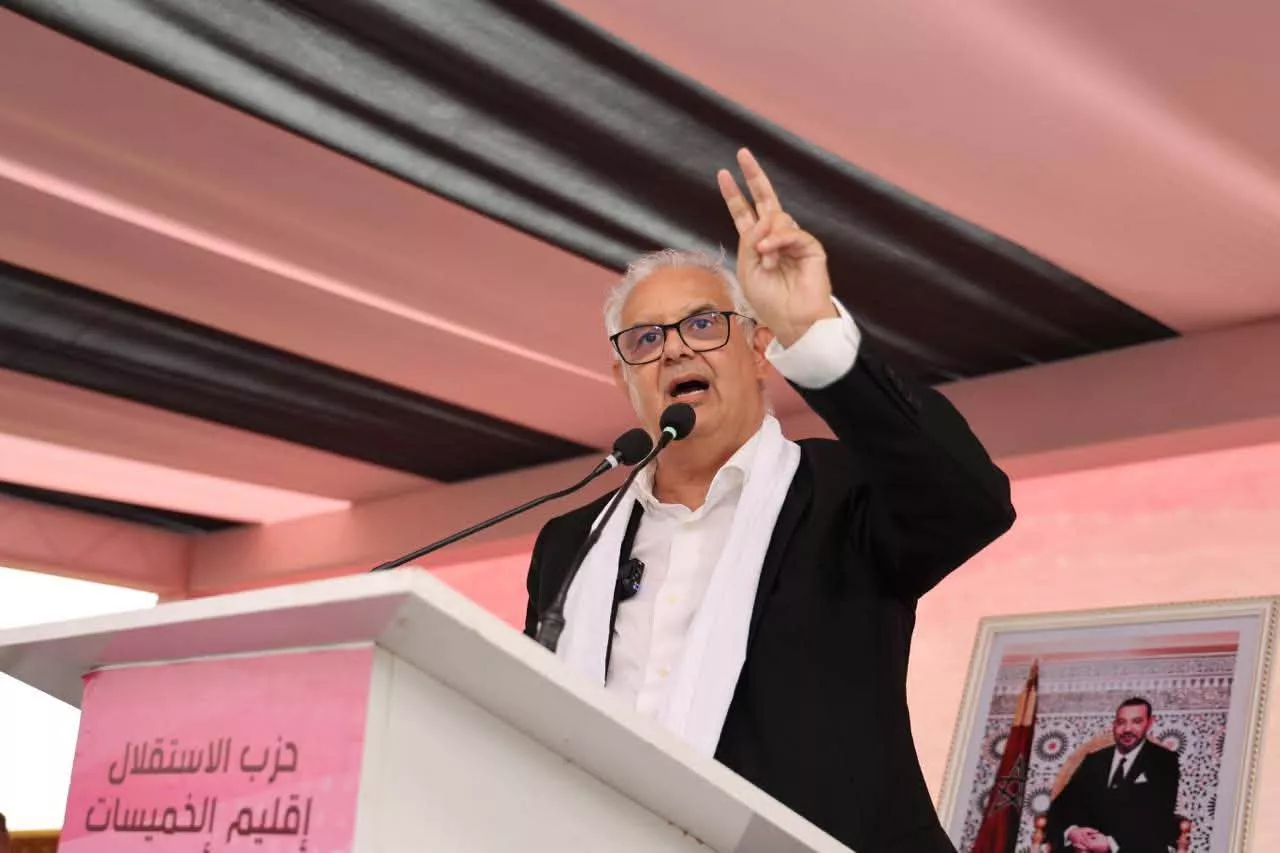
Nizar Baraka, secretary-general of the Istiqlal party, announced that the National Council of the Authenticity and Modernity Party (PAM) has decided to refuse the participation of the National Rally of Independents (RNI) in the next government.
He made the remark in front of Istiqlal’s National Council members, gathered on Saturday morning to review the government offer. The statement drew applause from the room, indicating strong support inside the party for this hard line.
No further details have been made public on the exact reasons behind the refusal, but the message is unambiguous: in the current political equation, PAM rejects RNI as a partner in the emerging majority.
A high-stakes day for the future coalition
This position comes as coalition talks continue following the 23 September legislative elections.
Several parties chose the same day to convene their national councils, turning Saturday into a politically charged moment:
- PAM, which came first with 97 seats, is debating its role in the future cabinet.
- RNI, second with 66 seats, is meeting to decide whether it will join the government.
- Istiqlal is examining the offer presented on 30 September by designated head of government Fatima Ezzahra El Mansouri.
- The Popular Movement is also holding its National Council to define its stance.
At the centre of these talks, Fatima Ezzahra El Mansouri, tasked with forming the government, must build a stable majority with partners willing to sign on to a shared programme.
What does this mean for Moroccans living abroad?
For Moroccans living abroad, this political standoff does not immediately change daily procedures. Consular services, administrative rules or entry conditions to Morocco remain the same as long as the new government has not been formed and its priorities have not been announced.
However, the final shape of the governing coalition will have medium-term consequences on several issues closely watched by Moroccans abroad, including:
- simplifying procedures linked to return and investment in Morocco;
- policies designed to support investment by Moroccans living overseas;
- reforms of the family code and criminal code, which can affect cross-border family life;
- major projects in infrastructure, housing and tourism, important for those planning a return or longer stays.
The parties that end up in power will influence both the pace and the direction of these reforms, even if concrete decisions will only come later.
Wait for official decisions before changing your plans
In this fluid context, Moroccans abroad are advised to wait for official decisions before changing plans for returning, investing or settling in Morocco.
The final arbitrations on the composition of the cabinet and on its policy programme will make the landscape clearer. Until then, it is safer to rely on institutional channels, such as the official portal for Moroccans living abroad, to check any regulatory change that could affect concrete procedures.
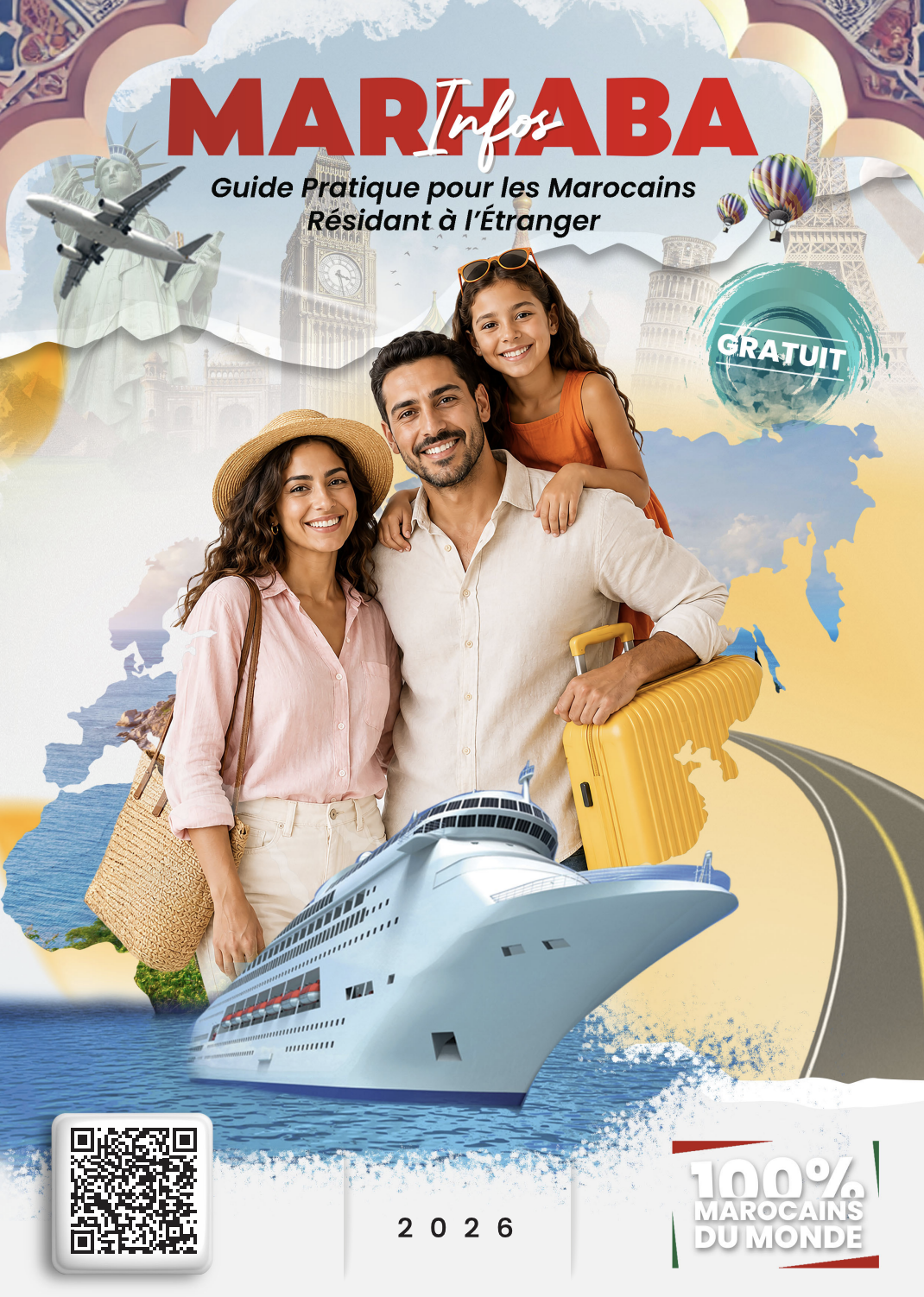
While the political negotiations continue, Moroccans abroad can also rely on our regularly updated practical guide to prepare their projects in Morocco with more visibility, regardless of which parties ultimately form the governing coalition.
For more context, readers can follow Canal212 news for Moroccans abroad.
Don’t miss out on the latest news from the diaspora!
Sign up for our next newsletter to receive our practical guides, advice (on procedures and investment) and the latest news for French nationals living abroad, delivered straight to your inbox.