
Morocco 15.7 million tourists by the end of September 2026 is a milestone that directly shapes how overseas Moroccans view the country’s future.
Morocco 15.7 million tourists: a new threshold
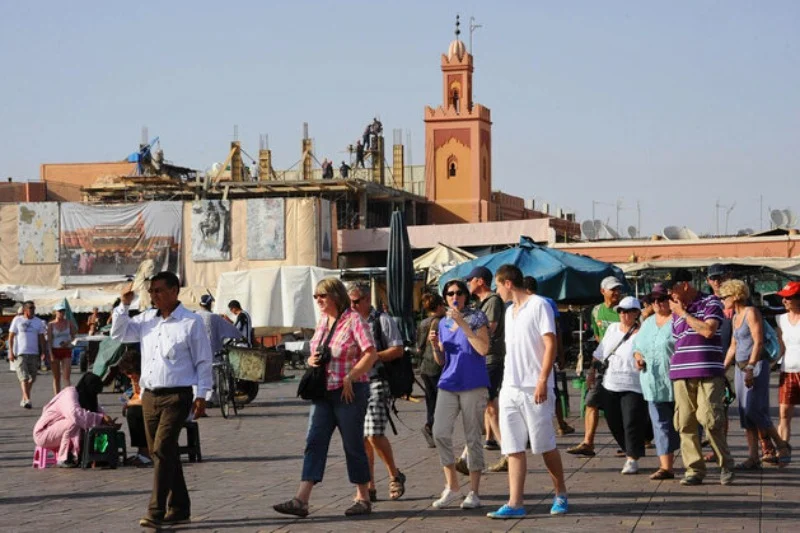
According to the Ministry of Tourism, Handicrafts and Social and Solidarity Economy, the Kingdom welcomed 15.7 million tourists over the first nine months of 2026.
This represents a 5% increase compared with the same period in 2025, or more than 717,000 additional arrivals.
In September 2026 alone, more than 1.5 million visitors were recorded, up 8% year-on-year. The ministry says these results confirm a solid growth trajectory that is no longer limited to peak summer months.
Tourism Minister Fatim-Zahra Ammor stressed that Morocco’s tourism momentum is continuing and that the country still has strong long-term potential. The target of 26 million tourists by 2030 is now considered closer than ever, with a clear priority: turning this trend into real value, jobs and opportunities across all regions.
What these numbers tell Moroccans living abroad
For Moroccans based overseas, the figure of Morocco 15.7 million tourists sends several tangible messages.
- International visitors see the country as attractive and relatively safe.
- Hospitality and transport infrastructure keep expanding.
- The economy is relying more on services, consumption and local demand.
For those who travel home regularly, this trend should gradually translate into more accommodation options, additional air connections and better service quality, not only in major tourist hubs but also in emerging destinations.
It also reinforces Morocco’s status as a popular destination for family stays, summer holidays and end-of-year trips, especially for those who come with non-Moroccan relatives or friends.
Real estate, investment and projects back home
The sustained increase in arrivals, embodied by Morocco 15.7 million tourists over nine months, also feeds into investment decisions.
For overseas Moroccans considering buying property in the country, strong tourism performance can increase the appeal of certain projects:
- growth of short-term rentals in specific cities;
- potential capital gains on properties in tourist areas;
- new opportunities for small guesthouse or restaurant ventures.
However, this momentum needs to be weighed against high prices in several major cities and the usual risks of overheating in very sought-after neighbourhoods. Checking official sources such as Bank Al-Maghrib or publications from the Tourism Ministry remains crucial before committing to any major project.
Planning trips and managing peak seasons
For Moroccans living abroad, these tourism figures are also a reminder to plan trips more carefully. With over 1.5 million tourists in September alone, pressure on flights, hotels and certain destinations can remain high outside July and August.
Booking earlier, comparing different arrival airports and anticipating domestic travel is becoming increasingly important, especially during European school holidays and major religious celebrations.
Beyond tourism, the strong performance of this sector strengthens Morocco’s image as a stable and attractive country looking ahead to 2030. For those who are thinking about a gradual return or building a life between their host country and Morocco, it is one more element in their confidence assessment.
The key question now is how this growth will translate into better public services, lasting jobs and new opportunities in the regions where many overseas Moroccans have their roots. The answer will determine whether tourism success truly benefits local communities.
For more context, readers can follow Canal212 news for Moroccans abroad.
Don’t miss out on the latest news from the diaspora!
Sign up for our next newsletter to receive our practical guides, advice (on procedures and investment) and the latest news for French nationals living abroad, delivered straight to your inbox.