


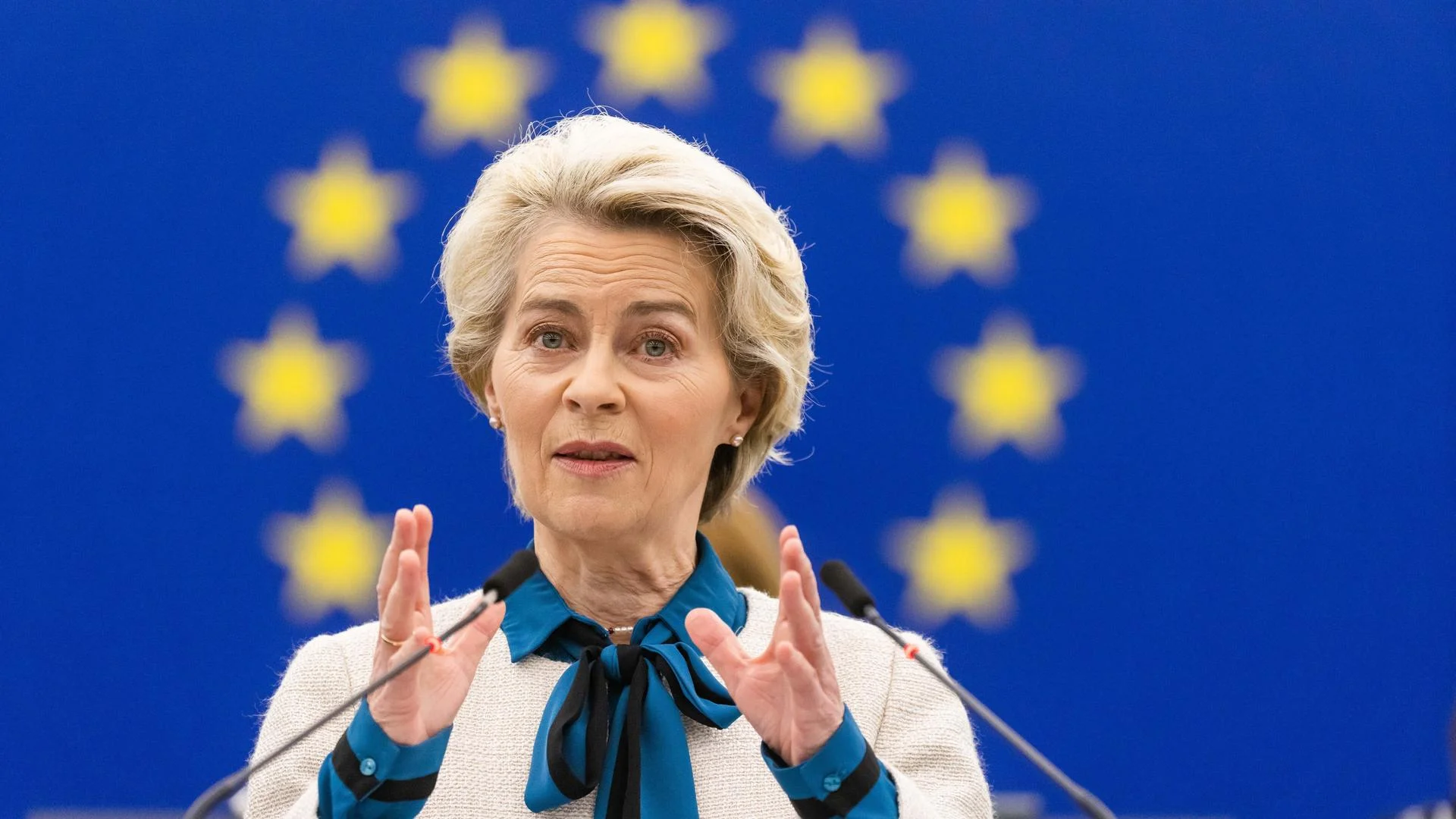
The European Commission is pushing to reinforce the EU Morocco migration partnership, drawing lessons from the Ceuta crisis and expanding cooperation on borders, returns and the fight against smuggling networks.
EU Morocco migration partnership: what to know
In a letter to EU heads of state and government, Ursula von der Leyen describes the EU Morocco migration partnership as a “strategic and comprehensive” cooperation framework.
The initiative comes in the wake of the massive arrivals in Ceuta on 30 and 31 July, which put Spain’s land border with Morocco under heavy pressure.
At their Brussels summit, EU leaders are expected to reaffirm their solidarity with Spain and underline the special status of Ceuta and Melilla, the Union’s only land borders with Africa.
Morocco is not explicitly named in the latest draft conclusions, but the country is clearly central in the mechanism outlined in the Commission president’s letter.
What the new partnership actually covers
The EU Morocco migration partnership is built around several already known areas of cooperation, now presented as a more coherent package:
- prevention of irregular departures towards Europe;
- stronger border management and surveillance;
- information exchange between Moroccan and European services;
- better coordination on returns and readmissions;
- tougher action against smuggling and trafficking networks.
Ursula von der Leyen highlights a 56% drop in irregular arrivals in the EU between 2022 and 2026, while the return rate has increased from 17% to 32% over the same period.
She nevertheless calls for vigilance, stressing that the Ceuta crisis showed how quickly a sudden increase in crossings can destabilise a border and lead to tragic human consequences.
What this could mean for Moroccans living in Europe
For Moroccans legally settled in Europe, this political shift does not, at this stage, alter the basic rules for visas, residence permits or regular travel. No new concrete measures have been announced regarding commercial flights, ferries or routine cross-border movements.
However, the coordinated push against irregular departures may result in:
- more frequent checks on certain land and sea routes;
- closer scrutiny of travel documents at border crossings;
- stricter follow-up of people in an irregular situation within the EU.
For Moroccans abroad planning holidays in the country or a definitive return, the key message remains unchanged: comply strictly with visa, residence and transport rules, and avoid any “informal” solutions offered by intermediaries.
EU institutions are clearly focusing on dismantling smuggling networks. Offers of clandestine passage by boat or overland are likely to become even more dangerous, both in security and legal terms.
What to monitor in the months ahead
The summit will set the political tone, but many operational details are still to be clarified: possible joint operations at borders, funding, and the scope of technical cooperation with Moroccan services.
For Moroccans living abroad who are organising travel, it will be useful to:
- follow official announcements from Moroccan and European authorities;
- regularly check travel conditions with airlines and ferry companies;
- refer to up-to-date practical guides on residence, return and family reunification procedures.
Without precise operational measures on the table, it is too early to measure the concrete impact on bookings or on any new administrative constraints. What can be expected, however, is tighter control at the EU’s external borders, especially on routes involving northern Morocco and the Spanish enclaves.
This new phase in the this case confirms that migration management will remain a central topic in talks between Rabat, Brussels and European capitals in the years to come.
For more context, readers can follow Canal212 news for Moroccans abroad.
For official updates, readers can check the relevant official source.
Don’t miss out on the latest news from the diaspora!
Sign up for our next newsletter to receive our practical guides, advice (on procedures and investment) and the latest news for French nationals living abroad, delivered straight to your inbox.