
This update focuses on Mohamed Chaouki RNI president. The appointment of Fatima Ezzahra El Mansouri as head of government opens a new political chapter in Morocco, described as a “historic moment” by Mohamed Chaouki, president of the National Rally of Independents (RNI). For Moroccans living abroad, this moment sets the direction of the next cabinet, which will steer key policies affecting travel, investment and long-term ties with the country.
A historic moment, says Mohamed Chaouki RNI president
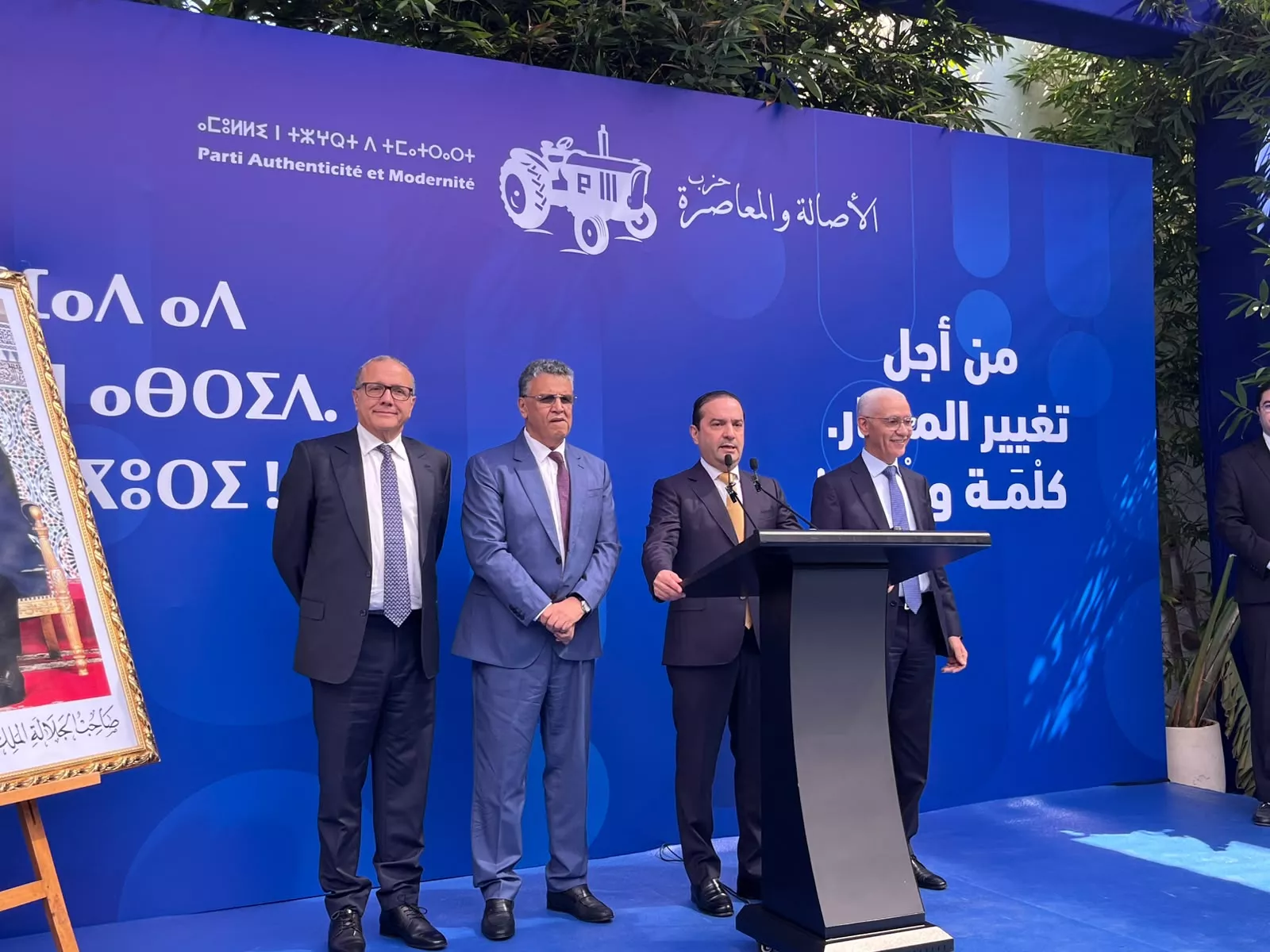
After a meeting between an RNI delegation and the designated head of government, Mohamed Chaouki welcomed what he sees as an unprecedented step. Fatima Ezzahra El Mansouri is the first woman to hold this position in Morocco.
The RNI president speaks of a “historic moment in Morocco’s political path”. In his view, this appointment marks both an institutional and symbolic turning point, following legislative elections that brought several new faces onto the national stage.
“Clear and frank” consultations on upcoming challenges
Commenting on Wednesday’s meeting, held as part of consultations to form the new cabinet, Mohamed Chaouki RNI president underlined the tone of the talks. He described a “responsible” discussion, marked by clarity and frankness, focused on the challenges Morocco will face in the coming phase.
According to him, the meeting was an opportunity to hear Fatima Ezzahra El Mansouri’s vision for the next stage. Without revealing specific measures, he stressed the importance of shared priorities and the sense of responsibility shown by his party.
The RNI presents itself as a “responsible party” that, Chaouki says, will contribute to this new phase by placing the country’s higher interest first. This stance will likely weigh on coalition talks and the distribution of ministerial portfolios.
What this could mean for Moroccans abroad
For Moroccans residing overseas, this political transition in Rabat has concrete implications. The future government will manage several key dossiers that directly affect life plans and relations with the home country:
- the continuity and improvement of consular services;
- air and sea transport policies, crucial for seasonal travel;
- tax and legal frameworks for investing in Morocco;
- support schemes for permanent or temporary return.
How the new executive sets its priorities, coordinates with institutions dealing with Moroccans abroad, and manages major infrastructure projects will shape the daily reality of families split between Morocco and their host countries.
A new institutional phase to watch closely
Fatima Ezzahra El Mansouri launched consultations with political parties on Wednesday to form the new cabinet, after being appointed head of government by King Mohammed VI and tasked with building the next executive.
These ongoing talks will clarify the future ruling coalition, the composition of the government team and the timetable for early reforms. For Moroccans abroad, it will be crucial to see how issues linked to mobility, remittances, productive investments and remote services are handled.
Until the first official announcements are made, political actors such as the RNI, led by Mohamed Chaouki, are signalling a willingness to cooperate around the country’s higher interest. In the coming months, this stance will be judged by its concrete impact on citizens’ lives, both inside Morocco and across its global community.
To follow institutional developments and understand how they may affect your projects, you can consult our dedicated guide to key procedures for Moroccans abroad, as well as practical information shared by official transport operators, including airlines.
For more context, readers can follow Canal212 news for Moroccans abroad.
For official updates, readers can check the relevant official source.
Don’t miss out on the latest news from the diaspora!
Sign up for our next newsletter to receive our practical guides, advice (on procedures and investment) and the latest news for French nationals living abroad, delivered straight to your inbox.