

This update focuses on Hormuz threatens global fertilizers. Tensions in the Strait of Hormuz are pushing up the cost of nitrogen fertilizers, and Morocco’s phosphate advantage is becoming even more strategic for global food security.
Hormuz threatens global fertilizers and farm supply chains
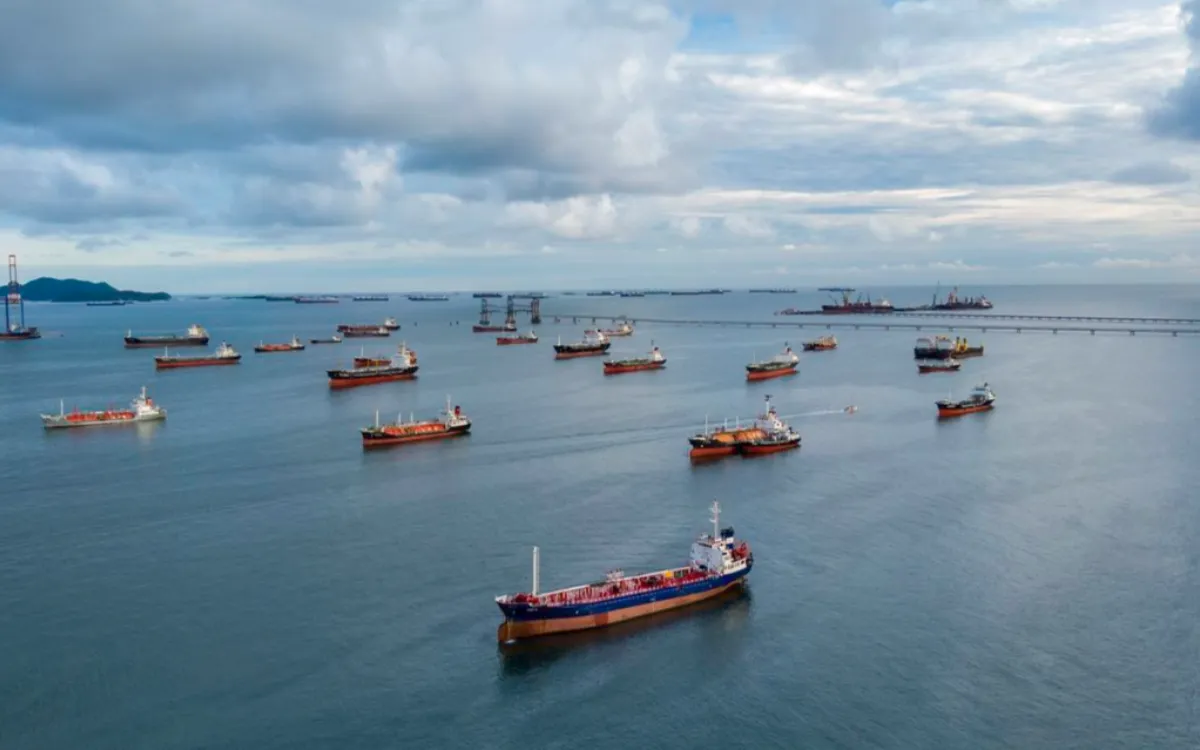
International estimates suggest that about one third of the nitrogen fertilizers used worldwide transit through the Strait of Hormuz. Escalating tensions in the Middle East and threats to this vital sea lane are therefore putting global supplies at risk.
The danger is not only about volumes. Nitrogen fertilizer production is heavily dependent on natural gas. Gas prices have risen with regional instability, even before factoring in higher maritime freight and insurance premiums.
For farmers, in Morocco and elsewhere, this translates into more expensive inputs and less visibility for upcoming planting seasons.
Morocco, a key holder of a strategic resource
In this context where Hormuz threatens global fertilizers, another fertilizer family has come into focus: phosphate-based fertilizers. They do not depend on the Strait and are based on a resource largely concentrated in Morocco.
International estimates attribute around 70% of known global phosphate rock reserves to the Kingdom. This already decisive position is gaining weight in a stressed market.
Phosphate does not replace nitrogen, but it is essential for soil fertility and crop yields. A recent European media analysis underlined how the current crisis indirectly reinforces Morocco’s role as a key player in food security.
- Among the largest phosphate reserves in the world
- A resource that does not depend on the Strait of Hormuz
- A growing role in balancing global agricultural markets
Potential impact on food prices
Higher nitrogen fertilizer costs could be felt in the next farming seasons. More expensive inputs raise production costs for cereals and other staple crops.
These extra costs may then feed through, with a delay, into food prices. Moroccan households, like those in other import-dependent countries, could feel the pressure on their budgets, particularly for cereal-based products.
For Moroccans living abroad who support families back home, this trend is worth tracking. A lasting increase in the cost of living can affect money transfers and investment projects, including in rural areas.
What does this mean for overseas Moroccans’ farm projects?
More and more Moroccans abroad are considering launching or expanding agricultural projects in Morocco, whether to prepare their return, diversify income or maintain a foothold in their home region.
For these project holders, today’s situation calls for several precautions:
- Factor in the risk of more volatile fertilizer prices in business plans
- Check public support schemes for agriculture and for more efficient use of inputs
- Talk to local cooperatives and chambers of agriculture about available technical alternatives
Thanks to its phosphate advantage, Morocco is better placed than many countries to secure part of its fertilizer needs. But the interdependence of energy and agricultural markets makes vigilance essential.
Before committing to major investments, it remains wise to cross-check information with competent institutions and official support schemes, accessible via Moroccan government portals and consular services.
A context to watch in the coming years
The current crisis around the Strait of Hormuz is a reminder of how fragile global supply chains are. It also highlights Morocco’s unique place on the map of strategic resources.
If Hormuz threatens global fertilizers, the Kingdom holds a rare lever to influence agricultural and food balances. For Moroccans at home and abroad, the issue is not only geopolitical: it directly affects prices, investment decisions and, ultimately, the ability to secure affordable food.
The coming months will show how deep the impact on markets and daily life will be. In the meantime, keeping an eye on fertilizer and staple food prices is a useful habit to anticipate and adjust choices.
For more context, readers can follow Canal212 news for Moroccans abroad.
For official updates, readers can check the relevant official source.
Don’t miss out on the latest news from the diaspora!
Sign up for our next newsletter to receive our practical guides, advice (on procedures and investment) and the latest news for French nationals living abroad, delivered straight to your inbox.