

In Rabat, African rail Rabat issues took center stage at a forum on new financing tools, as Morocco announced a 134 billion dirham rail investment plan running to 2030.
A continental rail forum hosted in Rabat
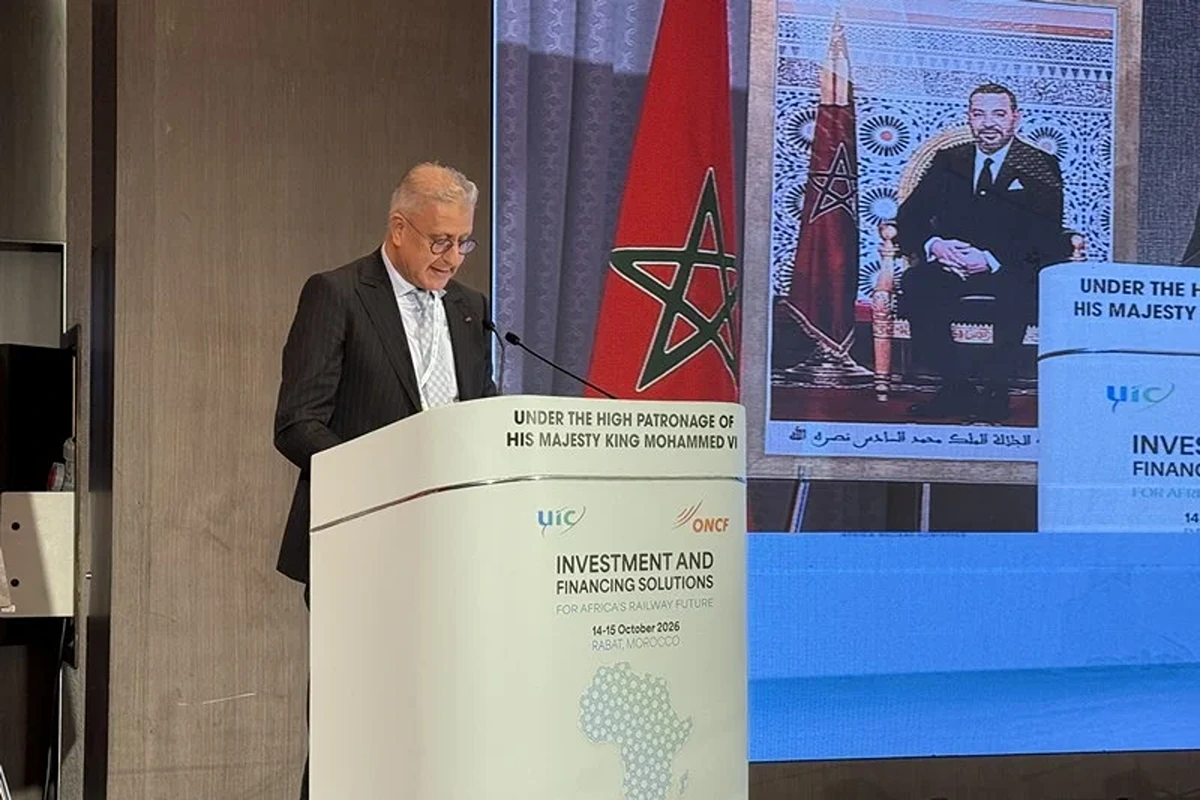
On 14 and 15 October, the Moroccan capital is hosting the second International Forum on Investment and Financing Solutions for the Future of Rail Transport in Africa.
Held under the patronage of King Mohammed VI, the event brings together rail operators, financial institutions, development banks and private investors around a shared concern: how to fund a modern African rail network when public budgets are no longer enough.
The cost of missing infrastructure is high. According to Mohamed Rabie Khlie, Director General of ONCF, it shaves around 2% off the continent’s annual growth and cuts productivity by up to 40%.
African rail Rabat forum: from diagnosis to concrete action
For the ONCF chief, this African rail Rabat gathering builds on the 2023 Dakar Declaration. He is calling for an urgent shift from analysis to on-the-ground projects.
He describes current changes in transport infrastructure as “deep and unprecedented”, and says they require a complete rethink of mobility models to balance growing demand, financial sustainability and environmental constraints.
In Rabat, participants are focusing on practical solutions. The format alternates themed discussions and bilateral meetings designed to bring out projects that can realistically be financed in the short and medium term.
- Identify innovative funding mechanisms
- Draw more private capital into the rail sector
- Build lasting partnerships between states, operators and lenders
Within this context, Morocco is highlighting its own roadmap: 134 billion dirhams in planned rail investments by 2030, combining network expansion and upgrades to existing lines.
What this could mean for Moroccans living abroad
For Moroccans living abroad, these announcements are not just about big numbers. A stronger rail offer can eventually make trips back home easier, improve domestic travel during holidays and support long-term return plans.
Detailed timelines and the list of priority lines are still to be clarified, but the debates in Rabat are meant to secure the funding base first. Without solid financing schemes, new lines or better services to medium-sized cities will struggle to move beyond the drawing board.
For those considering a return or a property investment away from the main urban hubs, rail access is becoming a strategic factor. A denser and more reliable network can:
- reduce dependence on private cars, especially during peak summer travel;
- make more regions attractive for living, studying or doing business;
- facilitate family journeys across the country during holidays and religious celebrations.
Key steps still lie ahead: choosing routes, finalizing financing structures, publishing tenders and actually building the lines. Yet the signal from this African rail Rabat forum is clear: both Africa’s rail ambitions and Morocco’s national network now depend on a new generation of funding models, with a stronger role for private investors and international lenders.
For reliable updates and to anticipate the impact on your own travel or return plans, it is advisable to cross-check public announcements with information published by official operators and administrations, as well as with practical guides dedicated to Moroccans abroad.
For more context, readers can follow Canal212 news for Moroccans abroad.
For official updates, readers can check the relevant official source.
Don’t miss out on the latest news from the diaspora!
Sign up for our next newsletter to receive our practical guides, advice (on procedures and investment) and the latest news for French nationals living abroad, delivered straight to your inbox.