


Current debates in Europe about sanctioning Morocco are raising alarm not only in Rabat but also in Spain, where both economies are tightly linked.
Sanctioning Morocco would be a risky move for Spain
In the European Parliament, some members have floated the idea of revisiting trade relations with Rabat in the wake of the Ceuta migration crisis. The resolution adopted recently does not call for the immediate suspension of the EU–Morocco association agreement, but it does hint at possible tougher measures if tensions rise.
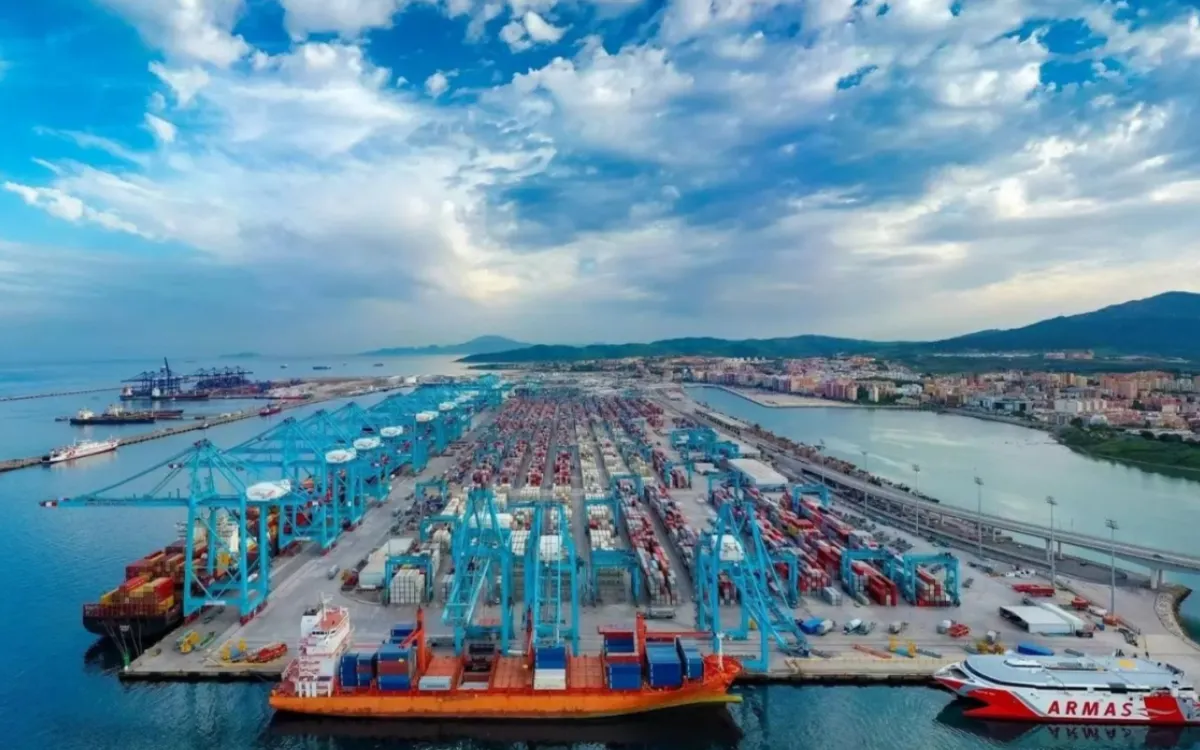
For Madrid, such a scenario would be far from harmless. The port of Algeciras is one of the main entry points into Europe for Moroccan goods. Around this hub, a whole logistics ecosystem depends on the constant flow with Tanger Med: hauliers, freight forwarders, customs agents, cold storage operators and companies specialising in perishable products.
Spain’s Agriculture Minister, Luis Planas, has already described a suspension of the agreement with Morocco as an “immense error” and a “complete absurdity”. He stresses that Spain is Morocco’s leading trading partner and that bilateral trade exceeds €22.5 billion a year.
Algeciras and Tanger Med, a vital corridor
If the EU were to move towards sanctioning Morocco, the impact would go far beyond Moroccan farming. The entire logistics chain linking Tanger Med to Algeciras would face higher costs, delays and new regulatory hurdles.
The agri-food sector is particularly exposed. In 2024, Spain accounted for 42.3% of Morocco’s imports of agricultural and food products from the European Union. In the other direction, European countries bought more than €5.2 billion worth of Moroccan agri-food goods.
A suspension of the association agreement would not automatically mean that Moroccan imports stop overnight. Brussels could instead start by removing certain trade preferences, raising customs duties or imposing stricter controls. Each of these steps would make transit through Spanish ports, especially Algeciras, more expensive and more complex.
What it could change for Moroccans living abroad
For Moroccans living abroad who travel via Spain or move goods across the strait, the issue is very concrete. Even without a sudden break, tighter access conditions to the EU market could result in:
- longer waiting times in ports for trucks and containers;
- higher logistics costs for transport companies;
- gradually rising prices for some products imported or exported through Spain.
For those using the Spain–Morocco corridor regularly, whether by car or ferry, the current discussions do not call into question their basic freedom to travel. Crossings, including between Tangier and Andalusian ports, are primarily governed by bilateral agreements and day-to-day cooperation between the two countries.
However, a tenser climate on the trade front could eventually weigh on the price of services linked to travel: vehicle freight loaded with goods, the cost of shipping personal belongings, or the price of certain agri-food products bought in Europe and transported to Morocco.
Caution and close monitoring for investment plans
For Moroccans abroad planning to invest in exports, agri-food or logistics between Morocco and the EU, the current situation is a reminder of how important it is to monitor the regulatory landscape closely. Before launching a project heavily dependent on the Spain–Morocco corridor, it remains wise to check the latest data from official economic institutions and seek advice from trade experts.
For now, no formal break has been decided. But the political debate around sanctioning Morocco shows that regulatory stability can never be taken for granted, and that preparation is still the best safeguard for travel, returns home and investment projects for Moroccans around the world.
For more context, readers can follow Canal212 news for Moroccans abroad.
For official updates, readers can check the relevant official source.
Don’t miss out on the latest news from the diaspora!
Sign up for our next newsletter to receive our practical guides, advice (on procedures and investment) and the latest news for French nationals living abroad, delivered straight to your inbox.