

This update focuses on Morocco 2026 elections. With one year to go before the 23 September 2026 parliamentary vote, the rivalry between the RNI and the PAM is tightening in several key districts, a political battle that will help shape public policies back home and, indirectly, the daily environment that many Moroccans living abroad find when they return to the country.
Morocco 2026 elections: a high-stakes RNI-PAM rivalry
A recent series of analyses focuses on so‑called “death districts”, constituencies where competition reaches its highest level. The fourth and final episode examines three strategic areas: Mohammedia, Tangier-Assilah and Agadir-Ida Outanane.
In these three districts, the RNI-PAM confrontation is built around powerful local figures, family networks and influential notables. The outcome will weigh on the political map after the Morocco 2026 elections, especially in coastal cities that attract many holidaymakers and families returning for the summer or to manage property projects.
Mohammedia, Tangier-Assilah and Agadir-Ida Outanane in focus
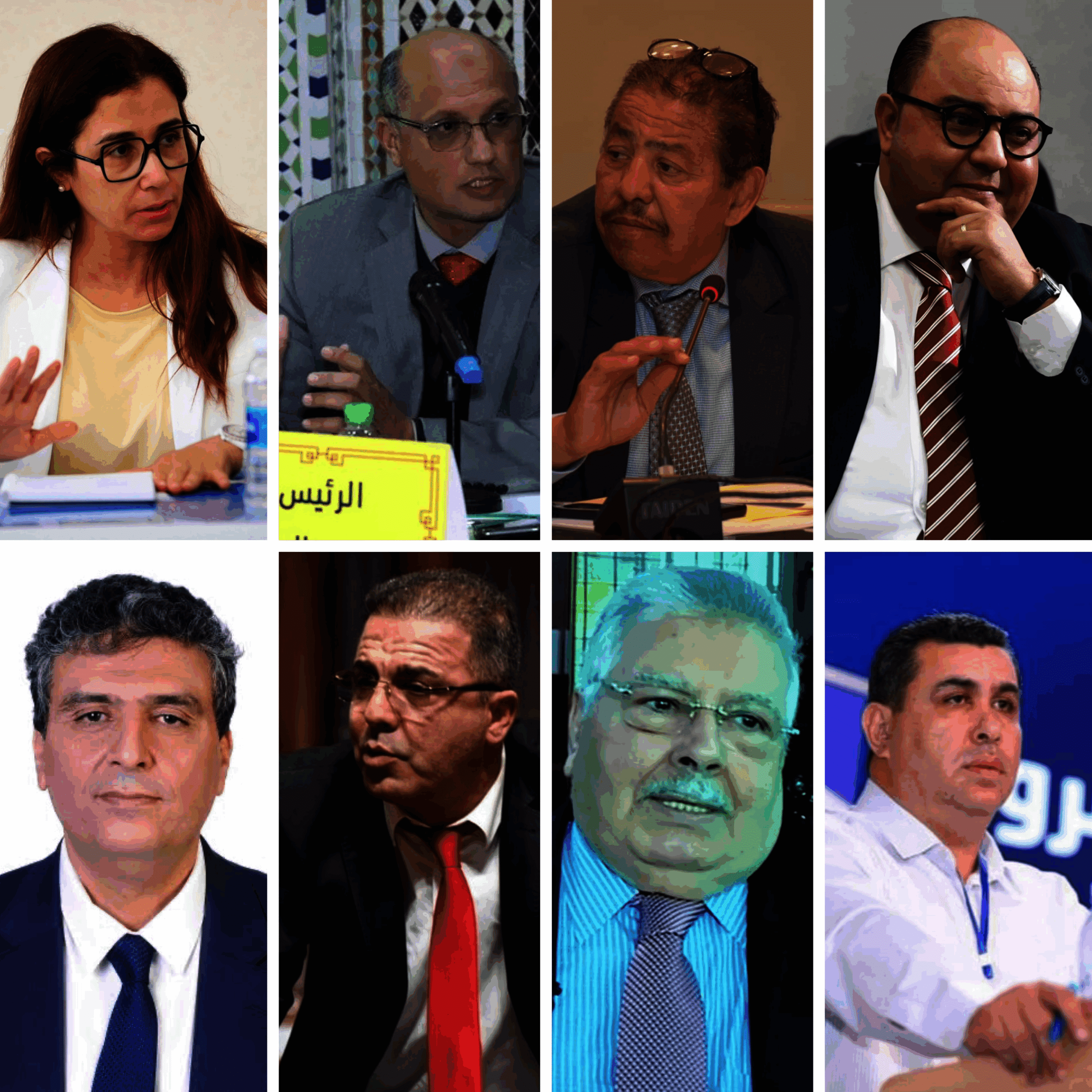
In Mohammedia, the contest illustrates just how tough the race has become. The PAM has managed to bring over Mohamed Amine El Atouani, previously from the RNI, and is fielding him against Hicham Aït Manna, seen as one of the strongmen of the area. This shift shows how fluid local alliances are and how fierce the competition is for control of a strategic territory.
In Tangier-Assilah and Agadir-Ida Outanane, political tensions are also running high. These districts concentrate major economic, tourism and urban stakes. The MPs elected there will have their say on infrastructure, city management and public services. These issues matter directly to Moroccans abroad who own property, send children to school or are considering a future return.
What it could change for Moroccans abroad
Beyond party scores in the Morocco 2026 elections, the core question is whether future MPs will be able to respond to concrete expectations on the ground. Priorities remain clear: jobs, healthcare, schools, reliable municipal services and a climate that encourages investment.
For Moroccans living abroad, the implications play out on several levels:
- the quality of administrative services when they travel back to Morocco;
- the reliability of local services (water, electricity, security, transport) in cities where they own a home;
- clarity on investment, taxation and support schemes for projects;
- and the overall image of stability and good governance, which matters for keeping a long‑term link with the country.
In places like Mohammedia, Tangier and Agadir, these issues are particularly sensitive, as they host large numbers of visitors and returning families during the summer.
A political calendar to keep an eye on
The dynamics in these fiercely contested districts will offer early signals about the RNI and PAM’s ability to mobilise voters and build local alliances. They will also indicate, later on, how much room the next government might have to manoeuvre on major social and economic reforms.
Moroccans abroad, who often pay close attention to institutional stability and service quality back home, have good reason to follow the this case, even if they do not vote in these specific districts. The choices made in 2026 will influence the environment in which they travel, invest or plan a possible return.
As the official campaign has yet to start, parties are refining their electoral maps and strategies. The coming months will show whether the RNI-PAM showdown turns into a wider political reshuffle or simply confirms the current balance of power.
For more context, readers can follow Canal212 news for Moroccans abroad.
For official updates, readers can check the relevant official source.
Don’t miss out on the latest news from the diaspora!
Sign up for our next newsletter to receive our practical guides, advice (on procedures and investment) and the latest news for French nationals living abroad, delivered straight to your inbox.