
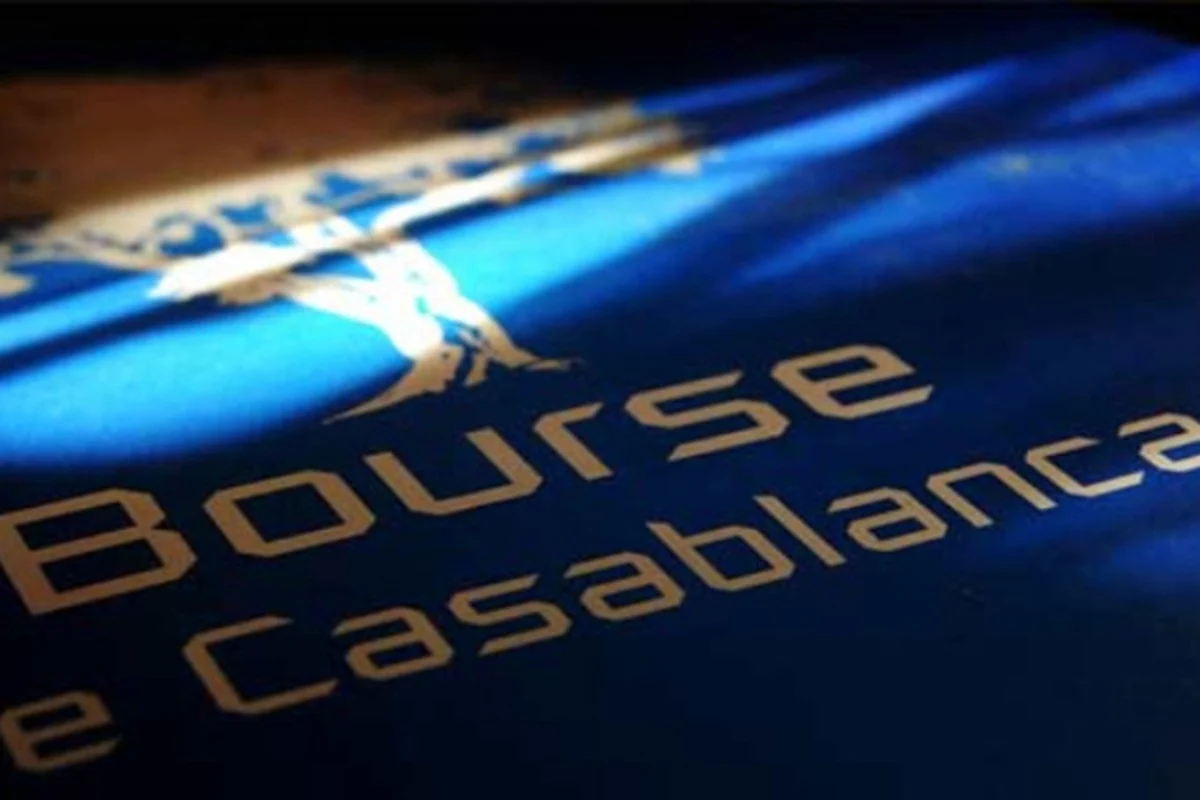
This update focuses on Casablanca derivatives market. Morocco’s derivatives market is now live on the Casablanca Stock Exchange, a major step for the country’s capital markets and for investors abroad who keep financial ties with home.
Casablanca derivatives market, a seven-year project
The Casablanca derivatives market comes after seven years of preparation and regulatory work. The information appears in the 2019-2025 activity report of the Derivatives Market Coordination Body, known as ICMAT.
Created in 2019, ICMAT worked closely with Bank Al-Maghrib and the Moroccan Capital Market Authority (AMMC). Together, they designed the regulatory and prudential framework for this new segment.
Since 6 April 2026, the system has become operational with the launch of the first derivatives contract on the Future MASI 20 index, a key benchmark for the local equity market.
What the new market does for investors
In a volatile global environment, companies and investors look not only for returns, but also for protection against market swings.
The Casablanca derivatives market is designed to provide that protection. It offers financial instruments to hedge risk while supporting liquidity and resilience in the broader capital market.
With the first Future MASI 20 contract now traded, the market aims to:
- broaden the range of hedging and risk-management tools;
- boost liquidity on the cash equity market;
- support the long-term development of Casablanca as a financial hub.
For Moroccans living abroad who already invest on the Casablanca Stock Exchange, this evolution may gradually translate into more sophisticated strategies offered by their brokers or asset managers, including funds that use derivatives to frame exposure to Moroccan shares.
Legal basis and dedicated governance
The new infrastructure is based on Law 42-12 governing the derivatives market in Morocco. Its implementation relies on a specific institutional setup.
The Derivatives Market Coordination Body brings together representatives of Bank Al-Maghrib and the AMMC. It coordinates the joint supervision carried out by both authorities.
Its mandate goes beyond simple oversight. ICMAT is involved in:
- assessing the rules governing the derivatives market;
- overseeing the clearing house’s operations;
- determining the financial resources required of key operators;
- defining the prudential framework;
- reviewing license applications.
A tight roadmap before launch
The recent timeline illustrates the scale of the preparatory work. ICMAT’s internal rules were approved in September 2022.
In January 2023, Bank Al-Maghrib and the AMMC signed a memorandum of understanding, formalising their cooperation on supervising the derivatives market.
At the same time, the operational rulebook was put in place. The general regulations of the clearing house, published in March 2023, set out:
- membership rules;
- clearing procedures;
- margin call mechanisms;
- default-management tools.
Strong financial requirements
The system has been built with strict financial safeguards. The minimum capital for the company operating the derivatives market is set at 25 million dirhams.
The clearing house must have at least 100 million dirhams in capital. These thresholds are intended to support the solidity of the market and the proper settlement of contracts.
For Moroccans abroad considering expanding their investment in Morocco, the rise of the this case is part of a broader modernisation of local capital markets. Before taking any position, investors should check with their bank or broker how and when these instruments will be accessible, and follow official updates from the relevant authorities, available in particular via official institutional channels.
For more context, readers can follow Canal212 news for Moroccans abroad.
Don’t miss out on the latest news from the diaspora!
Sign up for our next newsletter to receive our practical guides, advice (on procedures and investment) and the latest news for French nationals living abroad, delivered straight to your inbox.