


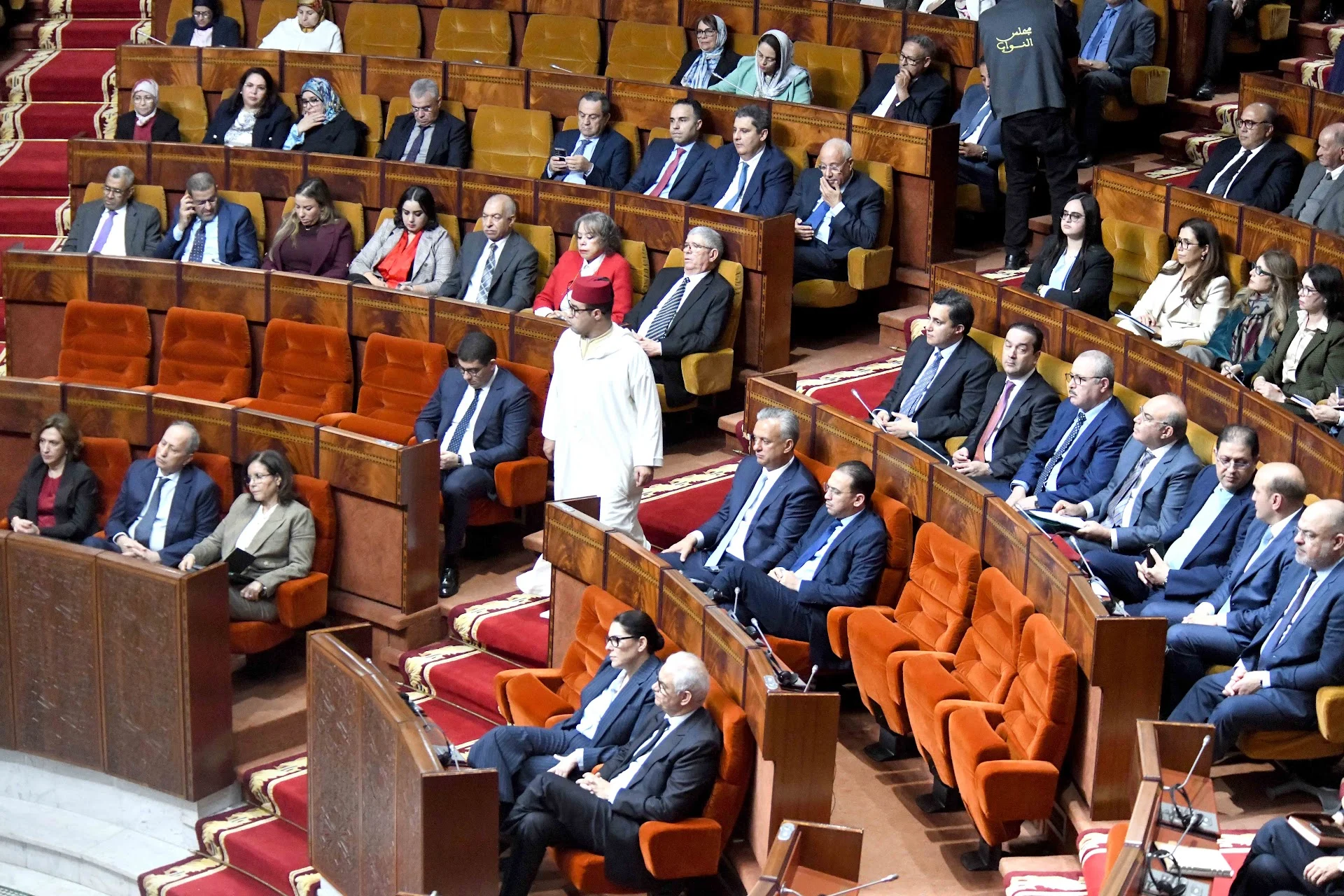
A new analysis paper by the African Center for Strategic Studies and Digitalization (CAESD) warns that blurred lines of responsibility are undermining Moroccan government accountability and the way citizens assess public policies.
Moroccan government accountability and the risk of confusion
The study highlights a recurring confusion in Morocco’s public debate between three different layers: national strategic vision, political decisions, and administrative implementation.
According to the authors, a key problem is the tendency to invoke royal guidelines as if they were ready-made executive programmes. This often results in shifting responsibility away from the government for the design, decision-making and management of public policies.
For Moroccans living abroad, this confusion can make it harder to understand who is really in charge of reforms that shape their ties with the country, from public services they use on holiday to the investment climate they face when launching a project back home.
A clear constitutional framework for sharing powers
The CAESD paper recalls that Morocco’s Constitution clearly defines the powers of each institution to ensure continuity of the state.
- The Council of Ministers debates major strategic orientations and framework laws.
- The government, accountable to Parliament, holds executive power, designs sectoral policies and oversees implementation.
- Parliament passes legislation and scrutinises government action.
- Political parties organise citizens and participate in exercising power.
Within this framework, the authors insist there is no constitutional basis to exempt the cabinet from responsibility. When a royal speech calls for education reform, expansion of social protection or a better investment climate, these goals become national priorities. But turning them into concrete policies, budgeting them and delivering results fall squarely under the government’s remit, under parliamentary oversight.
Royal guidelines and the duty to govern
The study stresses an essential distinction. Royal guidelines set the direction and priorities. However, choosing the tools, allocating resources, setting deadlines, defining monitoring indicators and coordinating implementation are the exclusive responsibility of the government and its ministers.
The paper warns against a political practice that treats these guidelines as a detailed executive roadmap. In such a pattern, parties mainly act as “implementers” of a single overarching orientation, instead of openly debating policy options, costs and timetables.
Over time, the CAESD notes, this logic can erode the visible differences between parties. Democratic alternation then risks becoming a simple rotation in managing the same strategic line, which weakens Moroccan government accountability in the eyes of citizens.
Why it matters for citizens and the diaspora
For citizens inside the country and abroad, knowing who does what is crucial to follow Morocco’s big reforms. This applies to schools, healthcare, social protection, business climate and administrative modernisation.
For Moroccans living abroad who plan to return, invest or deal with Moroccan administrations, the study implicitly invites them to look at a few key questions:
- Who set the political priority?
- Who chose the concrete policy tools?
- Who manages the budget and the timetable?
- Who is accountable in case of delay or failure?
Answering these questions makes it easier to identify the right public interlocutors and to track reforms that will shape projects of return, business decisions or regular stays in the country.
The CAESD paper does not change the rules of the game, but it reminds that Moroccan government accountability depends on respecting the constitutional division of powers and on a public debate that no longer blurs responsibilities between royal vision, government choices and administrative execution.
For more context, readers can follow Canal212 news for Moroccans abroad.
For official updates, readers can check the relevant official source.
Don’t miss out on the latest news from the diaspora!
Sign up for our next newsletter to receive our practical guides, advice (on procedures and investment) and the latest news for French nationals living abroad, delivered straight to your inbox.