

This update focuses on Allianz Trade Moroccan sectors. The latest sector atlas from Allianz Trade draws a mixed picture of the Moroccan economy, with five key branches rated in “sensitive risk” but none considered on the edge of a full-blown crisis.
Allianz Trade Moroccan sectors: what to know
According to Allianz Trade’s Sector Atlas 2026, none of the sectors analysed in Morocco fall into the high-risk category. The country is described as having a broadly contained sector profile, which sets it apart from several more exposed economies.
However, Allianz Trade underlines clear lines of fragility. Five branches stand out with a “sensitive risk” rating, a level that reflects structural weaknesses and less favourable prospects for companies operating in these activities.
The sectors concerned are:
- construction
- transport
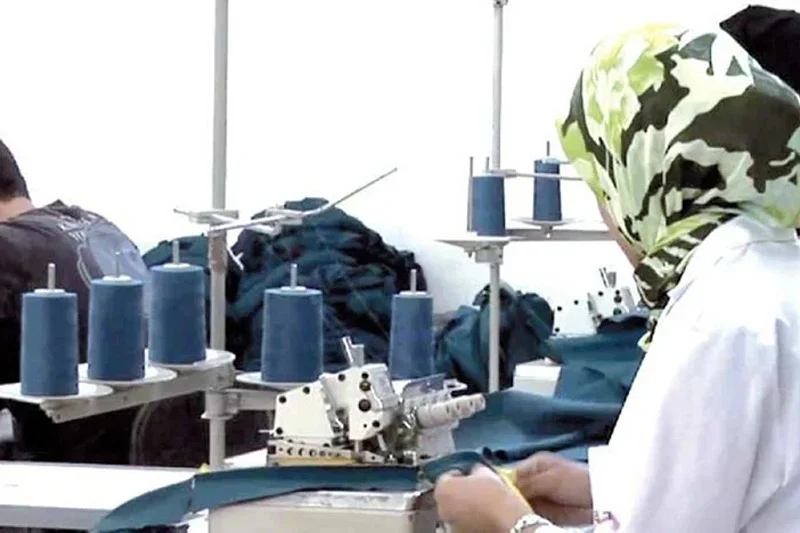
- textiles
- metals
- energy
For Moroccans living abroad who invest or plan to return with a business project, this assessment by Allianz Trade Moroccan sectors is a reminder to carefully weigh the risks in these activities before committing capital.
Five branches in sensitive risk amid a tense global context
The report comes at a time when the global economy is moving at several speeds. Allianz Trade expects global growth to slow to 2.5% in 2026 before edging up to 2.9% in 2027, largely driven by investment in artificial intelligence.
Yet this technological acceleration does not benefit all sectors or countries in the same way. The five Moroccan sectors in “sensitive risk” are directly exposed to trade tensions, industrial restructuring and tighter financing conditions.
For construction and energy, Allianz Trade stresses persistent constraints, including the cost of funding and the massive capital needed to support ongoing transitions.
Construction and energy facing persistent constraints
Construction is among the Moroccan activities under the greatest pressure. At global level, Allianz Trade points to enduring vulnerabilities: higher and more volatile financing costs, stricter regulatory requirements, and a hesitant private demand in residential and commercial real estate.
The study also highlights significant growth drivers in infrastructure, energy and digital equipment. In Morocco, these large-scale projects can still attract investors, including members of the diaspora, but in a more selective and competitive environment.
The energy sector, also rated in sensitive risk, must deal with changes in the energy mix, huge investment needs and uncertainty over international prices. This weighs on the profitability of projects, whether industrial or related to equipment for housing and small businesses.
What does this mean for MRE projects?
For Moroccans abroad considering a return or an investment back home, the Allianz Trade Moroccan sectors ranking is not a red alert, but a call for prudence and solid preparation.
On the one hand, the absence of Moroccan sectors in the high-risk category suggests that no major branch is seen as facing an imminent crisis. On the other hand, the presence of construction, transport, textiles, metals and energy in “sensitive risk” underlines that these activities remain cyclical and exposed to external shocks.
Before launching a project in these areas, it is key to:
- check the strength of local and export demand
- assess financing needs and profit margins
- get updated information on current rules and incentives
- diversify income sources where possible
Seeing this case in sensitive risk does not mean opportunities have vanished, but that investors and entrepreneurs must be more selective and serious about risk management.
To prepare your return or investment plans, you can consult Canal212’s guide on key procedures for Moroccans abroad and combine it with sector analyses from specialised institutions.
For more context, readers can follow Canal212 news for Moroccans abroad.
For official updates, readers can check the relevant official source.
Don’t miss out on the latest news from the diaspora!
Sign up for our next newsletter to receive our practical guides, advice (on procedures and investment) and the latest news for French nationals living abroad, delivered straight to your inbox.