
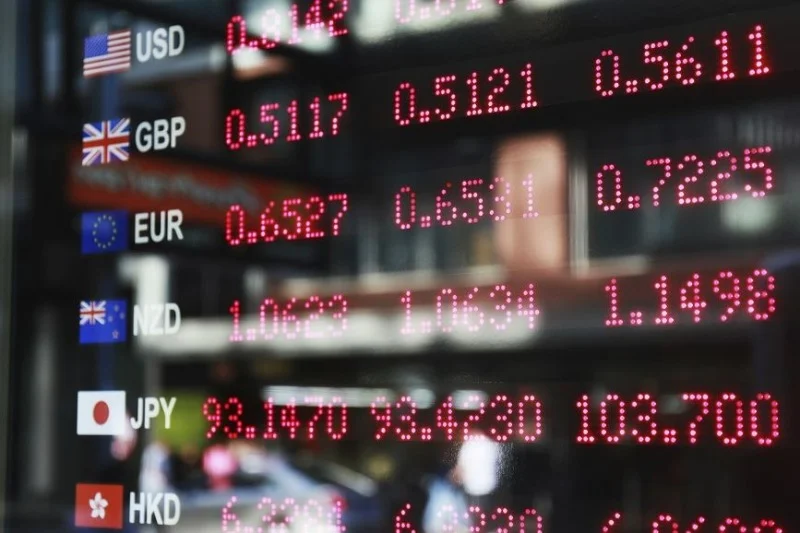
This update focuses on Moroccan dirham exchange. The recent weakening of the Moroccan dirham against the dollar and the euro is a reminder to Moroccans living abroad that checking the exchange rate before sending money or investing in the country is more than a formality.
Moroccan dirham exchange: a small but real movement
In its latest weekly indicators, Bank Al-Maghrib reports that the dirham depreciated between 27 August and 2 September 2026.
Over that week, the national currency lost 0.9% against the US dollar and 0.2% against the euro. No foreign exchange auction operations were carried out during this period.
Official reserve assets reached 500.1 billion dirhams on 28 August. They rose by 0.2% compared to the previous week and by 21.8% year-on-year, showing that Morocco still has a solid financial buffer.
What this means for your transfers and projects
For an expatriate paid in dollars, the weaker Moroccan dirham exchange means the same amount in foreign currency can convert into slightly more dirhams, at least in the short term. Against the euro, the effect is more modest but goes in the same direction.
In practice, this can influence:
- the timing of money transfers to family in Morocco;
- the cost in foreign currency of a property purchase in the country;
- the value in dirhams of savings held in dollars or euros;
- the budget of trips back home, especially when paying in cash.
The change is limited over this single week, but when added to other movements, it can affect major decisions such as buying a home, building on family land or starting a small business.
A supportive monetary policy in the background
Bank Al-Maghrib continues to support financing for the Moroccan economy. Its interventions averaged 154.9 billion dirhams per day over the period.
This liquidity is provided through seven-day advances, longer-term repo operations and secured loans. On the interbank market, the average daily volume of transactions stood at 3.5 billion dirhams, with the interbank rate at 2.25%.
At the 2 September tender, with value date 3 September, the central bank injected 55.7 billion dirhams in seven-day advances. This monetary environment helps stabilise credit conditions and, indirectly, investor confidence, including that of Moroccans abroad who finance projects back home.
How Moroccans abroad can react to the Moroccan dirham exchange
For Moroccans living in Europe, North America or the Gulf, this development calls for a few simple habits:
- check the dirham–dollar and dirham–euro rates regularly on the Bank Al-Maghrib website (bkam.ma) or via your bank;
- plan major transfers when the exchange rate is more favourable to your currency;
- ask your bank adviser for a simulation in dirhams before committing to a real estate or business investment;
- when possible, diversify between foreign currency and dirham accounts to cushion volatility.
For long-term plans, the overall trajectory of the Moroccan economy, the strength of reserves and the central bank’s strategy usually matter more than a one-week move. But for the day-to-day reality of families and investors, keeping an eye on the this case against the dollar and the euro remains a smart reflex.
For more context, readers can follow Canal212 news for Moroccans abroad.
Don’t miss out on the latest news from the diaspora!
Sign up for our next newsletter to receive our practical guides, advice (on procedures and investment) and the latest news for French nationals living abroad, delivered straight to your inbox.