

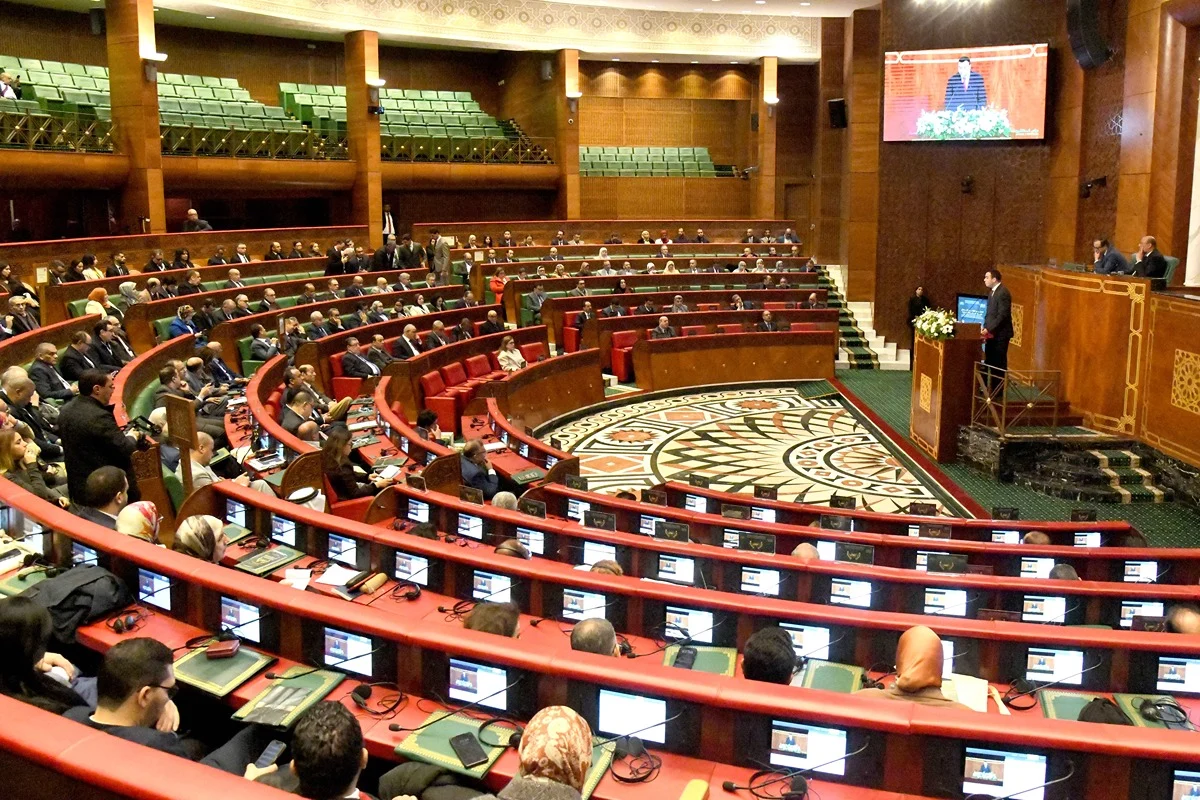
The Morocco 2026 legislative elections have produced a House of Representatives with a higher academic profile, driven in part by women’s lists and closely watched by Moroccans living abroad who care about the quality of governance back home.
A rising share of university-educated MPs
According to official results from the 23 September vote, 69.87% of members of Parliament now hold a higher education degree, compared with 66.33% after the 2021 elections.
This increase of almost 3.5 percentage points comes with a decline in MPs whose highest level is secondary education, from 27.59% to 23.54%. Those with only primary education remain a small minority, edging up from 5.32% to 6.08%.
The figures show a Parliament increasingly shaped by university backgrounds. There is no social rupture, but a clear internal shift in favour of degree-holders.
Women’s lists pull the academic level higher
Behind this trend, women’s lists play a decisive role. Their candidates are, on average, more likely to have university degrees, which pulls up the overall academic profile of the House.
This development comes as women’s representation in Parliament remains a key institutional issue. Women’s lists do more than rebalance gender; they also strengthen the presence of highly qualified profiles in the chamber.
For Moroccans abroad, used to comparing political standards between their country of residence and Morocco, this rise in graduates can be perceived as an additional element of credibility for national institutions.
Morocco 2026 legislative elections and a changing parliamentary profile
The shift does not reflect a massive arrival of new social groups, but rather an adjustment in the internal composition of Parliament. The increase in higher-educated MPs almost mirrors the decline in those with secondary education, while primary-level MPs remain marginal.
Local constituencies, however, appear to lag behind the national average. This suggests that the academic rise is more concentrated on specific lists, particularly those built around urban and university-based profiles.
For the Moroccan community abroad, which follows from a distance key reforms in the economy, institutions or policies related to return and investment, the quality of MPs matters. A more educated House is often seen as better equipped to:
- read and amend complex bills;
- oversee major state modernisation projects;
- negotiate and interact with international institutions;
- handle technical issues relating to investment, consular services or the rights of Moroccans abroad.
What could this mean for Moroccans living abroad?
The Morocco 2026 legislative elections do not immediately change administrative procedures for Moroccans living abroad. But they may influence how Parliament deals with issues such as simplification of paperwork, support for return projects, protection of investments or improvements to public services in Morocco.
A more educated Parliament does not automatically guarantee better policies. It does, however, raise expectations regarding the quality of legislation and the monitoring of major reforms in justice, taxation and social protection, which also affect families of Moroccans abroad who remain in the country.
The coming months will show whether this higher academic capital, largely linked to women’s lists, translates into concrete decisions for citizens both in Morocco and overseas.
To follow how this new legislature may impact your procedures and projects, you can consult Canal212’s dedicated guide for Moroccans living abroad and keep an eye on official updates published by the competent institutions.
For more context, readers can follow Canal212 news for Moroccans abroad.
For official updates, readers can check the relevant official source.
Don’t miss out on the latest news from the diaspora!
Sign up for our next newsletter to receive our practical guides, advice (on procedures and investment) and the latest news for French nationals living abroad, delivered straight to your inbox.