


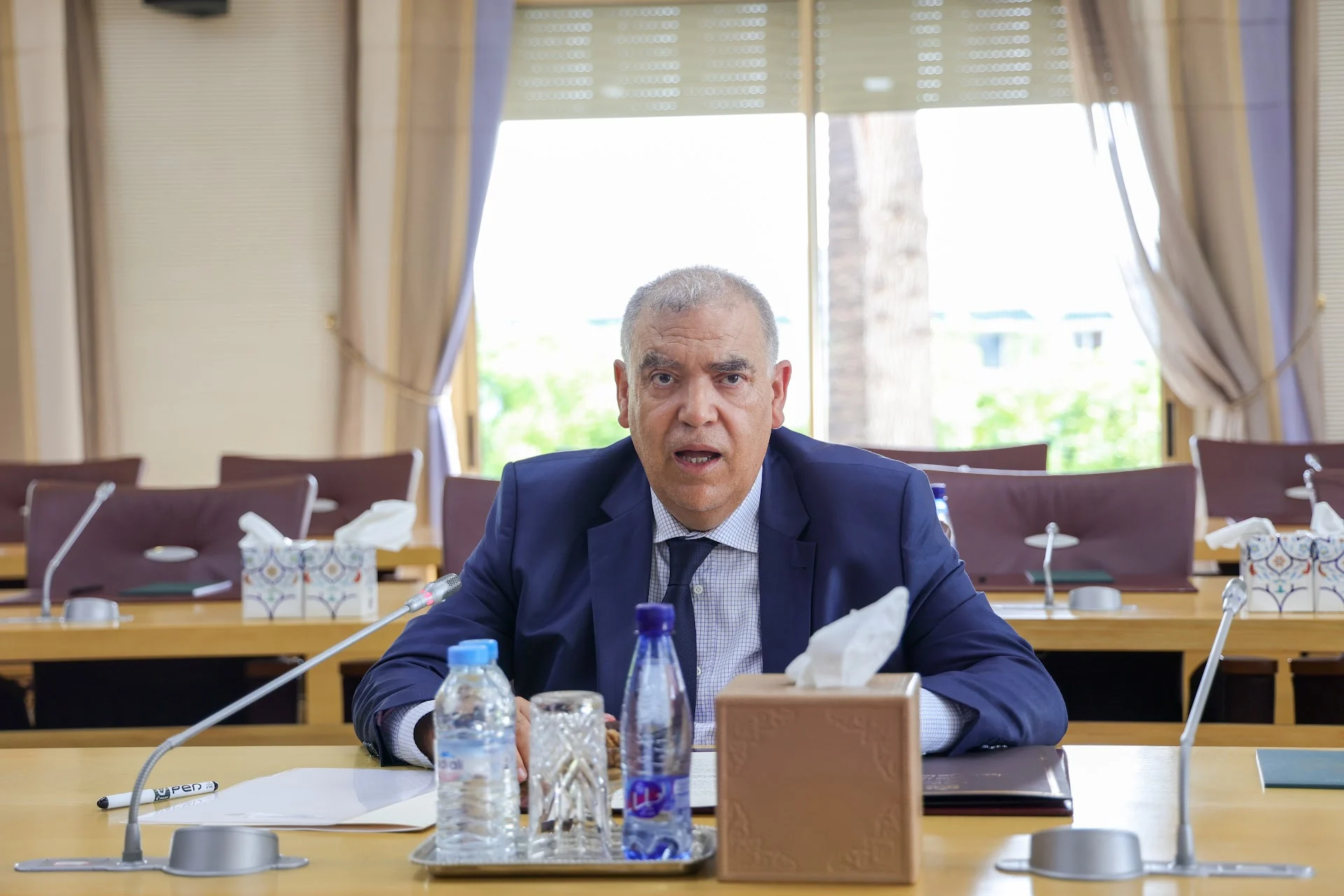
As 2027 approaches, Moroccan local finances 2027 are entering a new era of discipline, with a firm circular sent by Interior Minister Abdelouafi Laftit to regional walis and provincial governors. It reshapes how communes and regions will build their budgets, with one clear message: focus on essential services, cut prestige spending.
A strict roadmap for 2027 local budgets
The circular sets a detailed budgetary framework for the 2027 financial year of territorial communes and regions. The goals are to rationalise spending, clean up local finances and secure continuity of public services.
Local councils must present realistic budgets that can be implemented immediately. Existing projects should be completed, while new non-essential commitments are strongly discouraged. The idea is to avoid locking future councils, to be elected in 2027, into heavy financial burdens.
End of prestige expenses, focus on basics
The document calls for a drastic reduction in operating expenses. Fuel, travel costs, ceremonies, high-profile communication and representation should all be reduced to the bare minimum.
Communal and regional budgets are expected to concentrate on what are defined as core priorities:
- improving basic services (water, street lighting, cleanliness, roads);
- maintaining existing public facilities;
- strategic investments that directly affect daily life;
- projects with a clear and measurable local impact.
For Moroccans living abroad who are funding a family project, a house back home or considering a return, this means many communes will now favour completion of ongoing works rather than launching symbolic new projects.
Moroccan local finances 2027: boosting own revenues
The circular also focuses on revenues. To meet the demands of advanced regionalisation, local authorities are urged to strengthen collection of local taxes and outstanding payments.
Several taxes are highlighted in particular:
- tax on undeveloped urban land;
- housing tax;
- communal services tax.
The central state is backing this effort with the creation of 92 communal treasury offices, all connected to the GIR-Cit information system and equipped with extra staff and logistics. The aim is to make collection more efficient and clarify the relationship between taxpayers and communes.
Councils are also instructed to base their forecasts of transferred revenues on the 2026 share of Value Added Tax (VAT), which is on an upward trend.
What this means for Moroccans abroad
For Moroccans abroad, these new rules can affect several very concrete aspects of their relationship with the country:
- how fast roads, networks and public facilities are completed around their properties;
- the quality of municipal services in the towns and villages where they spend holidays;
- stronger pressure on local tax collection, especially on undeveloped plots and residential properties;
- visibility on local projects that could support a future return home.
In practice, it becomes even more important to follow budget decisions in your home commune, especially if you are planning a construction, renovation or local investment. Public services could become more efficient where the new rules are enforced seriously, but expectations regarding local tax payment will also be higher.
To better navigate administrative procedures and relations with communes, Moroccans abroad can consult Canal212’s practical guide and check official updates on the website of the national news agency, while waiting for the full text of the circular to be published.
For more context, readers can follow Canal212 news for Moroccans abroad.
Don’t miss out on the latest news from the diaspora!
Sign up for our next newsletter to receive our practical guides, advice (on procedures and investment) and the latest news for French nationals living abroad, delivered straight to your inbox.