


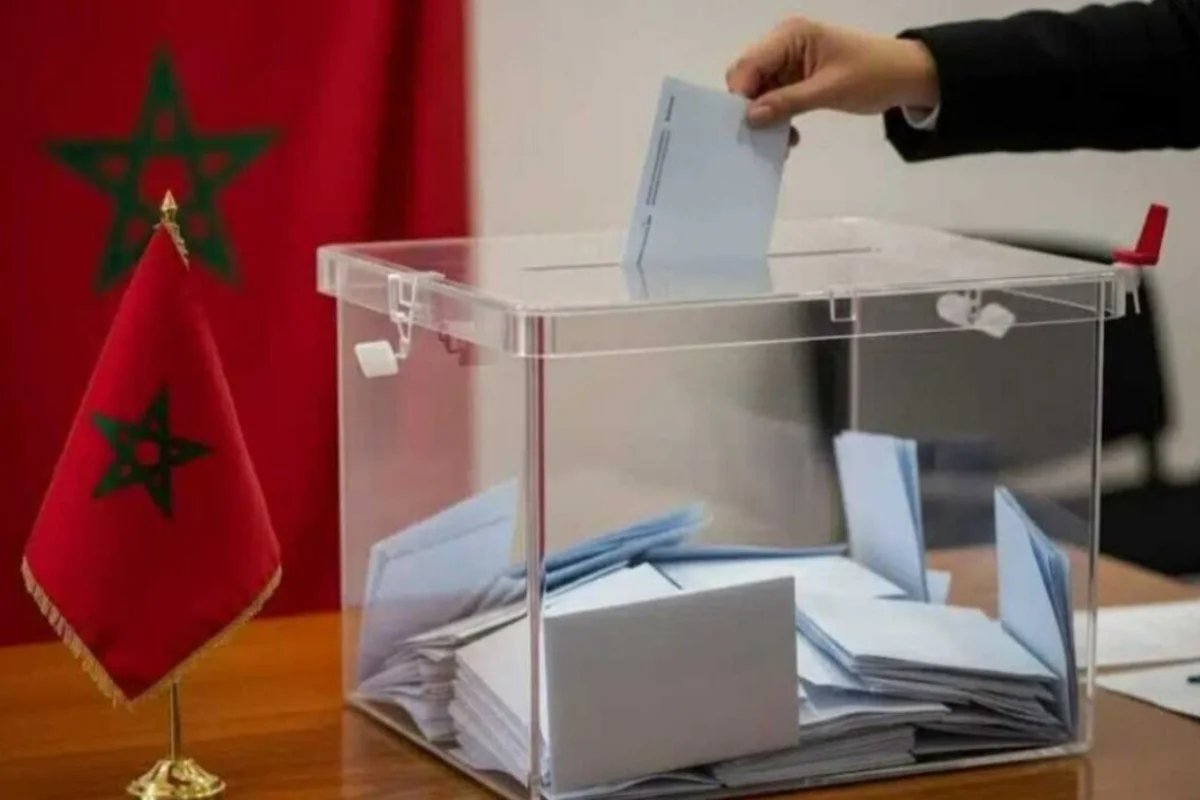
On the eve of the 23 September parliamentary vote, Moroccan authorities are stressing the criminal framework surrounding the Morocco 2026 elections to safeguard the integrity of the ballot.
A reinforced legal arsenal to protect the ballot
The organic law governing the House of Representatives sets out a wide range of penalties. Its main goal is to preserve the honesty of electoral operations, from polling stations to digital platforms.
The provisions target offenses committed physically on election day. But they also cover violations carried out online, through social networks, digital platforms and artificial intelligence tools.
When an offense strikes at the heart of the electoral body or the integrity of the ballot, sentences under the law can reach up to twenty years in prison. This maximum is reserved for the most serious forms of manipulation of the voting process and electoral registers.
Morocco 2026 elections: what is banned on election day
On voting day, the rule is strict: no propaganda is allowed. Any distribution or publication of electoral advertising, leaflets or campaign material is prohibited.
This does not concern only posters or handouts in the street. The ban extends to all channels:
- posts and shares on social media;
- promotional content on digital platforms;
- open streaming and broadcasting services, mobile apps connected to the internet;
- computer systems and artificial intelligence tools.
Anyone who violates these rules risks three to six months in prison. They also face a fine ranging from 20,000 to 50,000 dirhams.
For Moroccans living abroad who are in the country for the vote or who stay in close contact with relatives back home, this also covers content sent or relayed from overseas if it is clearly designed to influence voters on election day.
Illegal participation in voting: clear penalties
The law strictly defines who has the right to vote. Any person who takes part in the ballot after losing their voting rights faces criminal penalties.
In such cases, the sentence ranges from one to three months in prison, plus a fine of between 5,000 and 10,000 dirhams.
One article specifies that this situation may concern a voter who remained on the electoral roll despite losing civic rights, or a person registered without having applied to be listed.
Penalties become more severe when an offense affects the electoral body itself. Voting based on an irregular registration or using someone else’s identity are among the practices clearly targeted by the law.
What this means for Moroccans living abroad
For Moroccans abroad who plan a short trip home to vote or who support family members from a distance, these rules call for caution.
In practice, it is important to:
- check your electoral status and right to vote in advance;
- respect the official campaign period and election silence, including online;
- avoid sending or sharing electoral content on election day with voters in Morocco, even from abroad.
The Morocco 2026 elections are thus taking place under a legal framework that tries to adapt to digital practices. It also reminds voters, whether they live overseas or in the country, that their responsibilities now extend far beyond the polling booth.
For any individual situation or procedural question, it remains advisable to consult the official portals and competent authorities.
For more context, readers can follow Canal212 news for Moroccans abroad.
For official updates, readers can check the relevant official source.
Don’t miss out on the latest news from the diaspora!
Sign up for our next newsletter to receive our practical guides, advice (on procedures and investment) and the latest news for French nationals living abroad, delivered straight to your inbox.