
Morocco has deepened its partnership with the African Development Bank with the signature in Rabat of two major financing agreements worth a total of €405 million, around 4.4 billion dirhams. This new Morocco AfDB funding package targets both rail modernisation and skills development by 2030.
Morocco AfDB funding: what to know
The agreements were signed by Fouzi Lekjaa, Minister Delegate to the Minister of Economy and Finance in charge of the Budget, and Achraf Tarsim, the AfDB’s Country Manager for Morocco. The ceremony was attended by Younes Sekkouri, Minister of Economic Inclusion, Small Business, Employment and Skills, and Mohamed Rabie Khlie, Director General of the National Railways Office (ONCF).
The first loan, worth €205 million, will fund the Rail Infrastructure Development Support Project (PADIF). The second, for €200 million, will support the “Cap Compétences 2030” program, focused on strengthening Morocco’s human capital.
Kenitra–Marrakech HSR: faster mobility ahead
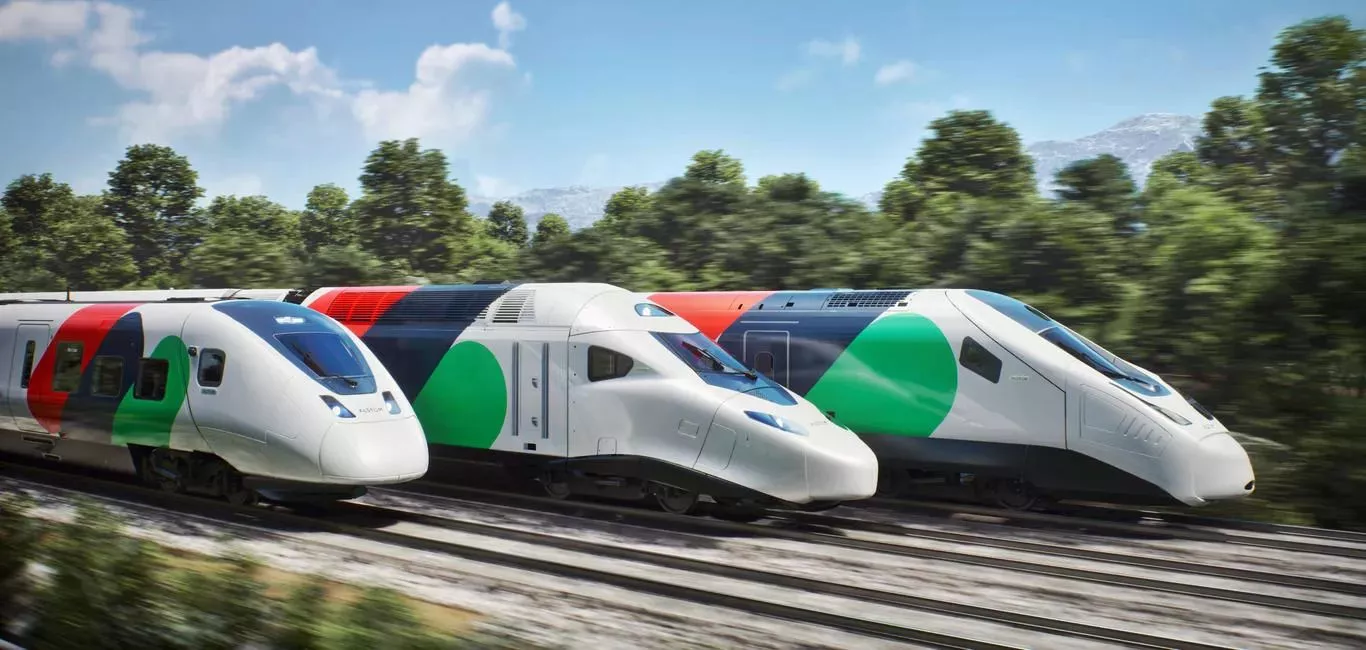
The PADIF aims to boost capacity and operational performance along the Kenitra–Marrakech rail corridor. It includes extending the high-speed rail (HSR) line and reinforcing existing infrastructure along this strategic axis.
For frequent travellers between the north and the centre of the country, including Moroccans living abroad who return for summer holidays or family events, these upgrades should mean shorter journey times and more reliable services between key economic hubs such as Kenitra, Rabat, Casablanca and Marrakech.
- Smoother passenger flows
- Stronger connectivity between major cities
- Improved logistics competitiveness for Morocco
In the longer run, an HSR line extended to Marrakech could make real estate and tourism projects along this corridor more attractive, including for Moroccans abroad looking to invest back home.
Cap Compétences 2030: aligning training with the job market
The second €200 million loan will finance the “Cap Compétences 2030” program. It is a results-based financing operation with a clear objective: making training in Morocco more relevant, higher quality and more diverse.
The program is designed to align training systems with real labour market needs, particularly in high-growth sectors, and to improve young people’s access to employment.
For Moroccans living abroad who are considering returning or launching job-creating businesses in the country, this reform could, over time, make it easier to recruit better-trained profiles that match current industry standards.
A Morocco AfDB partnership looking ahead
This latest Morocco AfDB funding round is part of a long-standing cooperation between the Kingdom and the pan-African institution. It strengthens two complementary levers: physical infrastructure, through rail, and intangible infrastructure, through human capital.
The concrete effects will take several years to materialise, particularly for the HSR extension, but the agreements confirm Morocco’s strategy to move up the value chain. They will be of interest to Moroccans abroad who closely follow domestic mobility, job prospects for their relatives and the attractiveness of major cities for future return or investment plans.
Operational details and precise timelines for works and reforms will depend on implementation by the competent authorities and technical partners, under the oversight of lenders such as the African Development Bank.
For more context, readers can follow Canal212 news for Moroccans abroad.
For official updates, readers can check the relevant official source.
Don’t miss out on the latest news from the diaspora!
Sign up for our next newsletter to receive our practical guides, advice (on procedures and investment) and the latest news for French nationals living abroad, delivered straight to your inbox.