


Moroccan migrants in Ceuta: Morocco is stepping up pressure on Spain over Moroccan migrants who died in late July whilst attempting to reach Ceuta, as well as Moroccan minors currently on Spanish territory.
Moroccan migrants in Ceuta: key takeaways
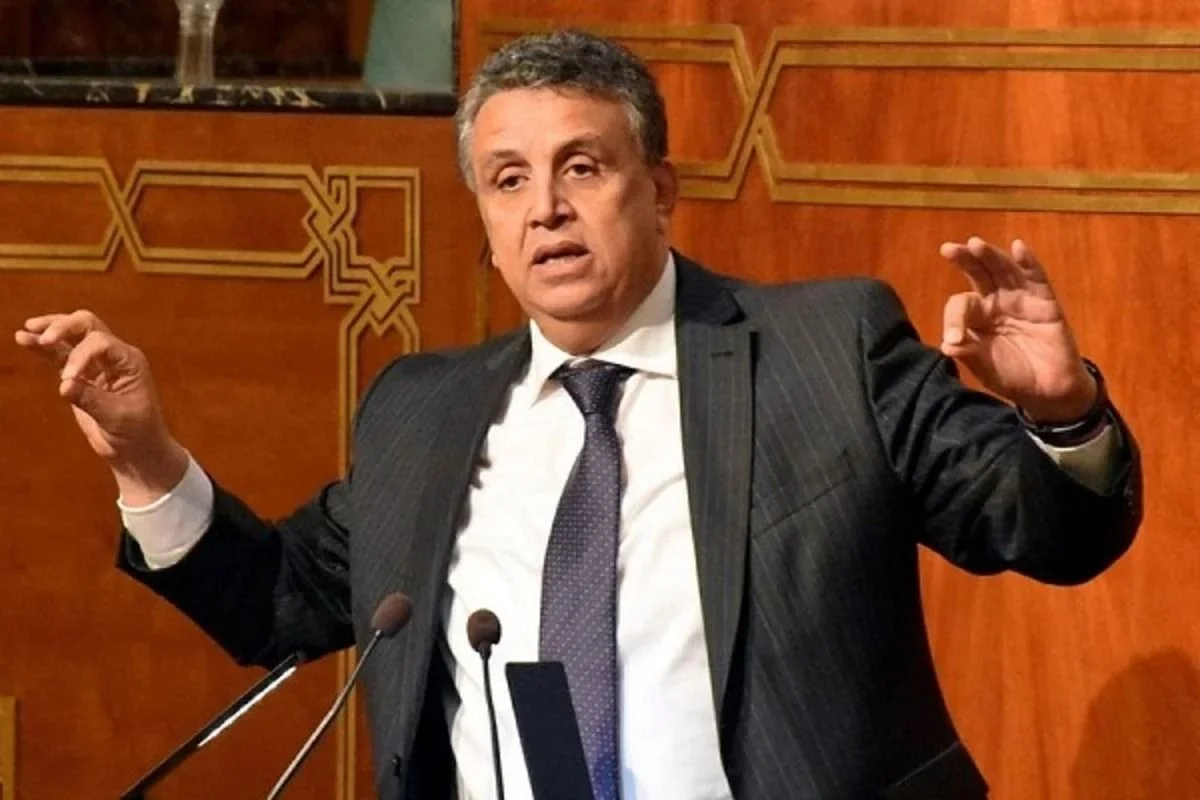
In a recent television interview, the Minister for Justice, Abdellatif Ouahbi, criticised the lack of what he deemed satisfactory responses from Madrid.
He stated that Rabat had received no official notification specifying the exact number of Moroccan migrants who died near Ceuta, nor their identities. The Moroccan authorities say they have requested detailed information on each victim in order to establish the circumstances of their deaths and to begin the identification and repatriation procedures.
The minister points out that Morocco has declared itself ready to receive its nationals, whether alive or deceased. He refers in particular to covering the costs of transport and the formalities required for the repatriation of the remains.
Moroccan minors in Spain: a sensitive issue
Abdellatif Ouahbi also emphasised the situation of Moroccan minors currently in Spain. He called for these children to be returned to Morocco, as well as for the medical records of the victims who died whilst attempting to cross into Ceuta.
The minister questioned the delay in implementing a European decision concerning the return of minors to their country of origin. According to him, several requests for cooperation have been sent to the Spanish authorities, with no clear response as yet.
He calls for ‘transparency and clarity’ so that this matter can be dealt with in an organised manner, for the benefit of the families concerned and the young people themselves.
What are the implications for families and Moroccans living abroad?
For families living in Morocco or abroad who may have a relative missing along this migration route, the stakes are high: obtaining official confirmation; accessing information on the victims’ identities; and, where applicable, initiating repatriation procedures.
The minister’s statements mean that, on the Moroccan side, the doors are officially open to:
- receive the remains of Moroccan migrants who have died near Ceuta;
- handle certain logistical aspects relating to the repatriation;
- co-ordinate with the Spanish authorities as soon as the lists and files are provided.
Until Madrid provides this information, the process remains at a standstill. The families of Moroccan migrants in Ceuta, whether they live in Morocco or in Europe, must therefore expect further delays and complex procedures.
What relatives can do to keep track of the situation
In the absence of published personal details, families who may be affected can contact the usual channels: local authorities in Morocco, Moroccan consulates abroad or migrant support organisations to stay informed of developments.
The minister’s official statements primarily indicate a clear political will to raise the issue with Madrid. Concrete action will now depend on Spain’s responses and the cooperation mechanisms that are put in place.
For Moroccans living abroad who are supporting relatives planning to make an irregular crossing to Ceuta or other enclaves, this case serves as a stark reminder of the extreme risks involved in such crossings and the difficulty, subsequently, of obtaining clear answers when the worst happens.
For further information, see our Canal212 guide on people smuggling and rest areas.
To follow official updates, please see Royal Air Maroc’s official updates.
Don’t miss out on the latest news from the diaspora!
Sign up for our next newsletter to receive our practical guides, advice (on procedures and investment) and the latest news for French nationals living abroad, delivered straight to your inbox.