


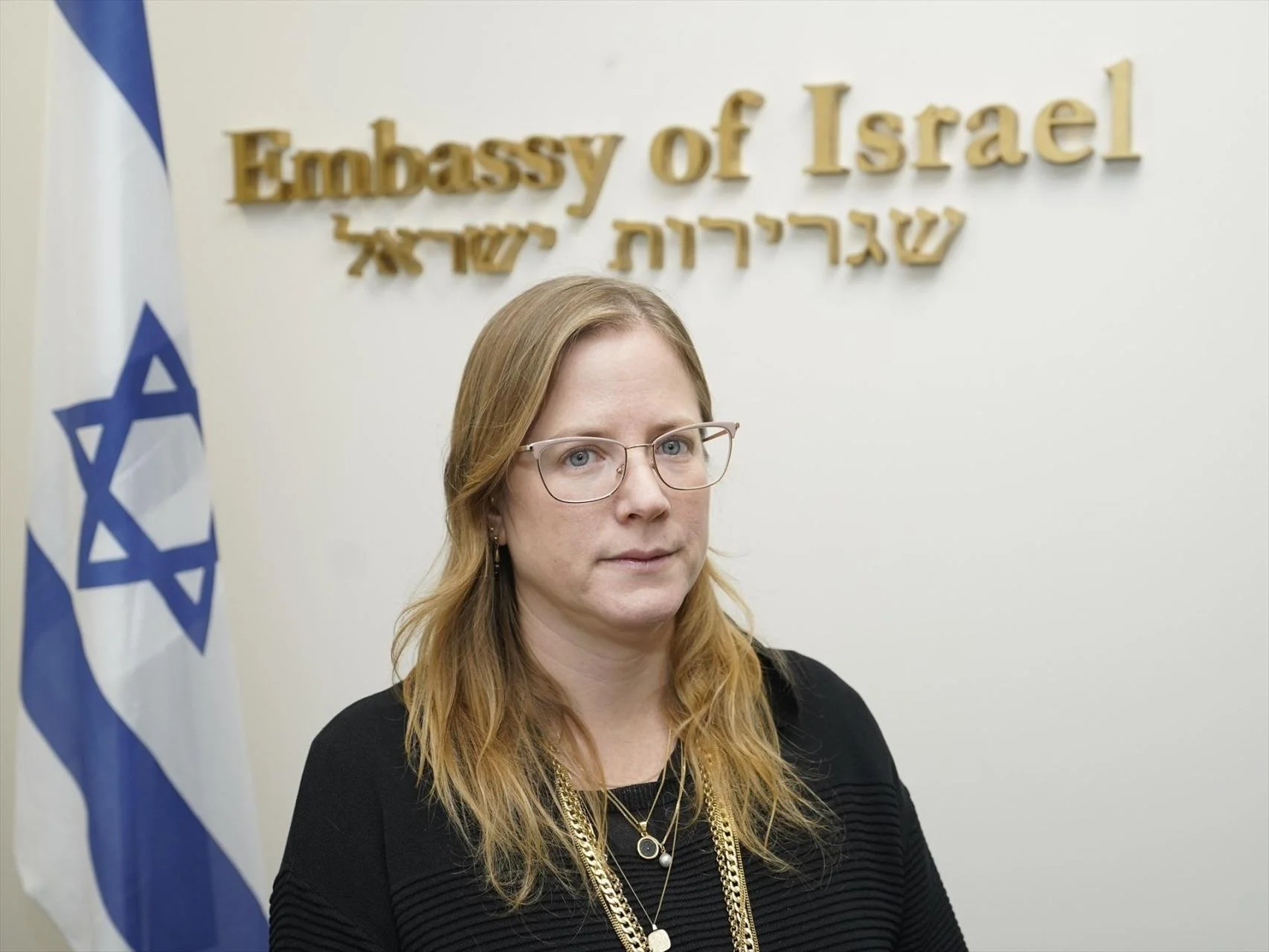
This update focuses on Israel Morocco Spain relations. Recent comments by Israeli diplomat Dana Erlich in Madrid shed light on how Israel is trying to combine its closer partnership with Morocco and the preservation of a strategic relationship with Spain, against a backdrop of political tensions and debate over Ceuta.
Israel Morocco Spain relations under the spotlight
Dana Erlich, Israel’s chargé d’affaires in Spain, explained that strengthening ties with Morocco does not mean downgrading Spain. She stressed that Spain remains an “important and historical ally”, including for Israel’s future.
She recalled that relations between Israel and Morocco are rooted in history – with a large community of Israelis of Moroccan Jewish origin – and have been reinforced by the Abraham Accords signed in 2020. However, she insisted that consolidating this link does not imply “forgetting other allies”.
For Moroccans living in Europe, particularly in Spain, this message confirms that Israel Morocco Spain relations are being built on diplomatic balance rather than sudden breaks that could directly affect their travel or projects.
Ceuta at the centre of Spain’s political tensions
Asked about the controversy over Ceuta, Dana Erlich stated that Israel has “no doubt” about who controls the city. She made it clear that her country does not question Spanish sovereignty over Ceuta.
According to remarks reported by Europa Press, the diplomat also criticised the way the Israeli file is used in Spain’s domestic political debate. She argued that the Spanish government is using Israel, and what happened in Ceuta, as a “smokescreen” to divert attention from a deeper domestic crisis.
For Moroccans settled in the Iberian Peninsula, this clarification is mainly a political signal. It does not change current crossing rules or travel conditions between Spain, Morocco and other concerned countries.
What does it mean for Moroccans’ travel plans?
For now, Dana Erlich’s statements have not led to any concrete announcements on visas, air or sea links, or tighter border checks. Flights and ferries between Morocco and Spain still depend mainly on:
- decisions by the Moroccan and Spanish governments;
- policies of transport operators, including airlines and ferry companies;
- existing bilateral agreements between Rabat and Madrid.
Moroccans abroad planning to return home via Spain can therefore keep their usual plans for the moment. It remains wise, however, to regularly check practical information from official transport operators and consular authorities before booking, especially in times of diplomatic tension between third countries.
In this context, Israel Morocco Spain relations remain primarily a matter of diplomacy and regional alliances. Over time, they could influence broader issues such as economic cooperation, security and mobility, but there is currently no sign of any immediate change for Moroccans’ travel procedures.
To track any real impact of these diplomatic moves on mobility, Moroccans around the world should follow updates from Moroccan authorities, European partners and transport companies, in addition to our practical guides on procedures for planning trips and returns to Morocco.
For more context, readers can follow Canal212 news for Moroccans abroad.
For official updates, readers can check the relevant official source.
Don’t miss out on the latest news from the diaspora!
Sign up for our next newsletter to receive our practical guides, advice (on procedures and investment) and the latest news for French nationals living abroad, delivered straight to your inbox.