


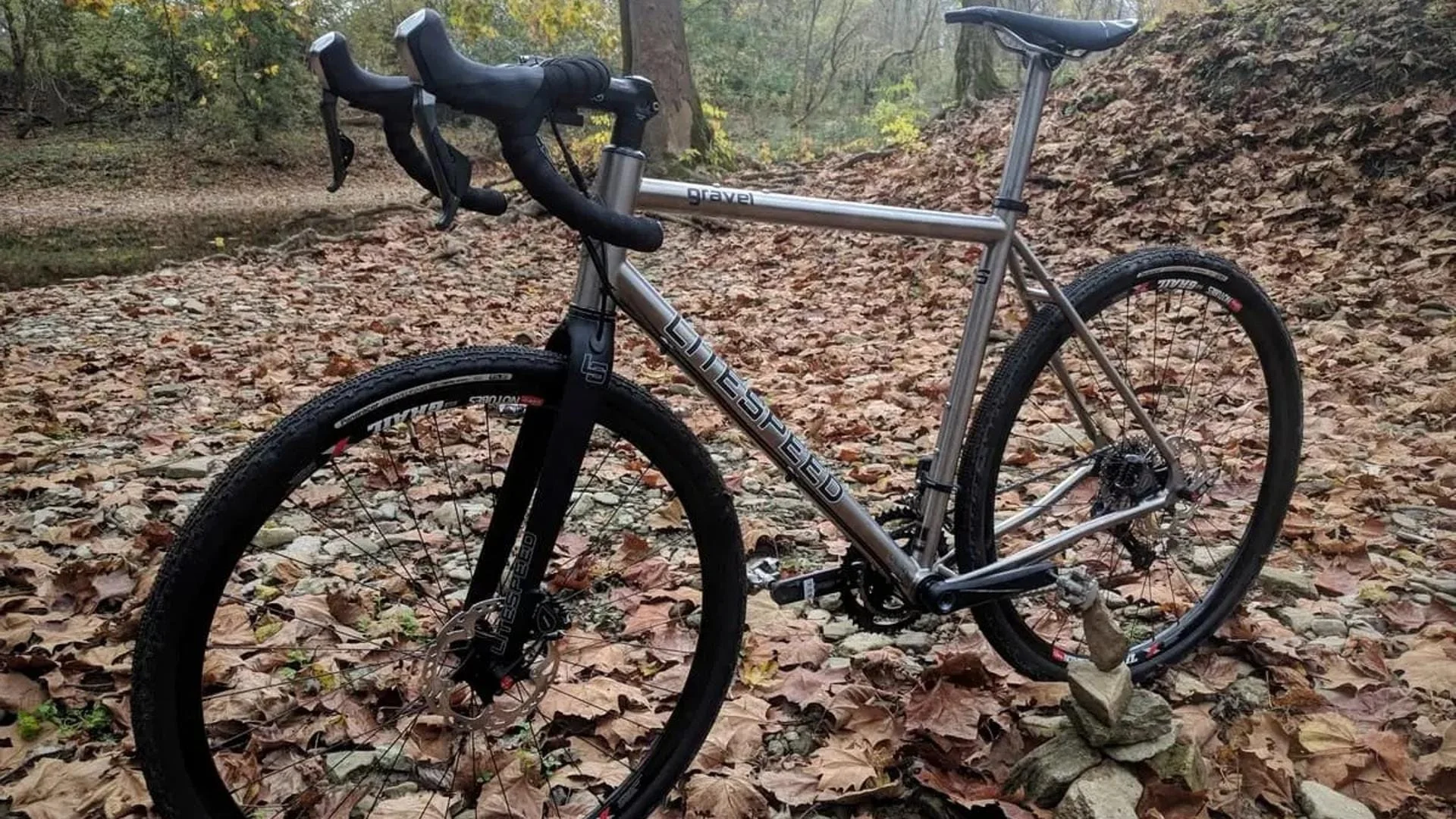
This update focuses on Italy seizes 18 bikes. Italian authorities at the port of Genoa have seized eighteen high-end racing bikes stolen in Italy and reportedly destined for Morocco, a case that highlights the risks of fencing within trade flows between Europe and the kingdom.
Italy seizes 18 bikes in a truck heading to Morocco
On 22 September, law enforcement officers in Genoa intercepted a two-axle truck about to board a ship bound for Morocco. Inside, they discovered 18 racing bikes and numerous components, all reported stolen in Italy according to local media.
A man of Moroccan origin linked to the truck was arrested on suspicion of handling stolen goods. The shipment is valued at several hundred thousand euros, with at least one bike estimated at €13,000.
A hidden tracking device triggers the operation
The investigation began thanks to a tracking device concealed in the handlebar of a racing bike stolen in Turin on 30 July. The owner had equipped his bike with a discreet GPS unit.
When he noticed a persistent signal coming from the Genoa port area, he alerted the police. Officers then located the truck ready to sail to Morocco and found the tracked bike among seventeen others.
Among the seized bicycles, three had been stolen on 12 July from the car park of the “Gli Orsi” shopping centre in Biella, during a Granfondo cycling event. Those thefts had been reported to the carabinieri.
Possible organised network exporting stolen bikes
Italian investigators are now working to trace the origin of the other bikes and identify the thieves involved. They aim to determine whether an organised network was regularly shipping stolen bicycles abroad, including to North Africa.
This case, in which Italy seizes 18 bikes bound for Morocco, does not officially target any specific country. But it illustrates a familiar pattern: using trucks or containers to move high-end stolen goods to other markets.
Concrete risks for buyers and importers in Morocco
For Moroccans living abroad who invest in shops, sports clubs or bike stores in Morocco, such trafficking carries several real risks.
- Unknowingly buying stolen equipment that could later be seized during an international investigation.
- Suffering financial losses if a supplier involved in fencing collapses or faces legal action.
- Damaging their reputation, especially for overseas Moroccans funding sports or community projects back home.
Italian authorities have not disclosed any potential recipients in Morocco. However, the case is a reminder that importers and investors must pay attention to the origin of sports equipment, particularly when it is offered at unusually low prices.
Vigilance in supply chains between Europe and Morocco
While the investigation continues, the seizure encourages greater vigilance in the flow of goods between Europe and Morocco. Working only with identified suppliers, demanding detailed invoices and being wary of offers that seem too good to be true remain essential safeguards.
For Moroccans abroad setting up a business or supporting a sports club in the country, taking time to understand import channels and following guidance from competent authorities and financial institutions can reduce the risk of being unintentionally linked to a fencing case.
Italian investigators are pursuing their work to map any networks involved and prevent new shipments of this kind from leaving European ports.
For more context, readers can follow Canal212 news for Moroccans abroad.
For official updates, readers can check the relevant official source.
Don’t miss out on the latest news from the diaspora!
Sign up for our next newsletter to receive our practical guides, advice (on procedures and investment) and the latest news for French nationals living abroad, delivered straight to your inbox.