
Morocco has received a new signal about its global ambitions, with Fouzi Lekjaa stating that the Benslimane 2030 World Cup final will be played at the future Hassan II Stadium – a project that goes far beyond football.
Benslimane 2030 World Cup final: what Fouzi Lekjaa said
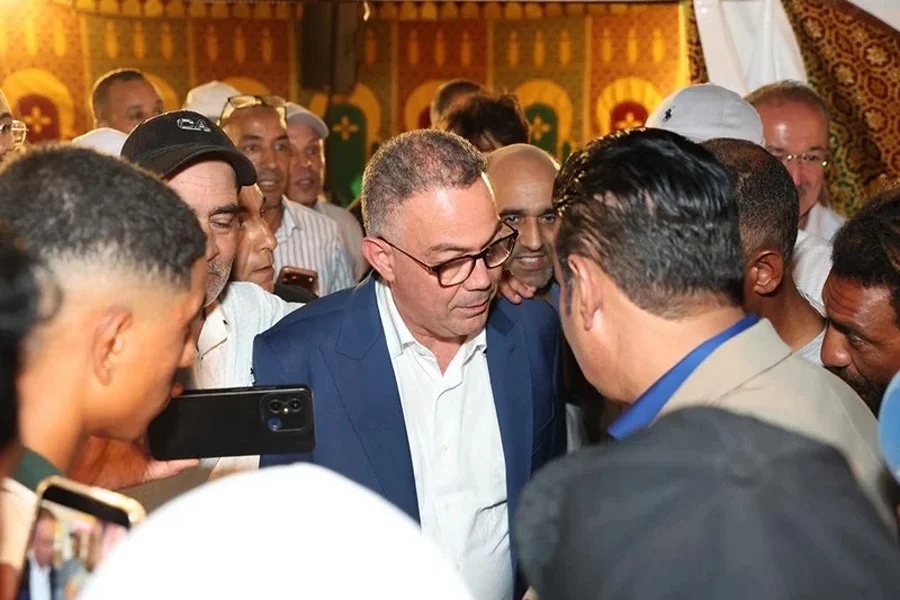
Speaking on Wednesday evening in Bouznika, during the campaign for the 23 September legislative elections, Fouzi Lekjaa said that the province of Benslimane will host the 2030 World Cup final.
A member of the political bureau of the Authenticity and Modernity Party (PAM) and a key figure in Moroccan football, he was reacting to rumours about which stadium would host the final, noting that he closely follows what foreign media are publishing on the subject.
He explained that the decision to choose the site of the future Hassan II Stadium in Benslimane was taken on the instruction of King Mohammed VI, describing this choice as an honour for the province and a strong sign of the attention given to this area.
A stadium project with national impact
The future Hassan II Stadium is expected to become one of the country’s main sports venues. Its designation, as announced, for the Benslimane 2030 World Cup final puts this locality at the heart of the organisation of the tournament.
For Moroccans living abroad, the project strengthens the image of a Morocco investing in world-class infrastructure. It may also influence decisions to return, stay longer in the country or invest, particularly in:
- hotels and short-term rentals around Casablanca, Bouznika and Benslimane;
- transport, food services and leisure businesses;
- real estate projects anticipating demand linked to the 2030 World Cup.
Technical details about the stadium, its exact construction timetable and mobility plans still need to be followed through institutional channels, as the joint Morocco–Spain–Portugal hosting moves into a more operational phase.
A call to make the World Cup everyone’s business
Looking back on his experience in football management, Fouzi Lekjaa said he had acted with sincerity “for this country”, while adding that he does not believe he has fully completed his mission.
He recalled his disappointment, which he said was shared by many Moroccans, after the national team’s defeat against France in the semi-final of the 2022 World Cup, when the ambition was to reach the final.
He stressed that hosting the World Cup concerns all Moroccans, calling for the success of this global event and insisting on the need to maximise its benefits for the country.
What does it mean for Moroccans abroad?
For the diaspora, the prospect of a Benslimane 2030 World Cup final opens several doors. Emotionally, it raises the possibility of experiencing a World Cup “at home”, in a country where many return every summer.
On a practical level, this dynamic could, in the medium term, lead to:
- new flight offers and strengthened air links to Morocco;
- better transport and hospitality infrastructure;
- investment opportunities in tourism, services and property.
Practical details about tickets, travel arrangements or fan zones have not yet been set. Moroccans abroad will need to follow announcements from the relevant bodies and the organising committee, as well as practical information published on official portals.
Beyond football, Lekjaa’s statement confirms that the 2030 World Cup is part of a long-term strategy to boost Morocco’s attractiveness, including for its citizens living outside the country.
For more context, readers can follow Canal212 news for Moroccans abroad.
For official updates, readers can check the relevant official source.
Don’t miss out on the latest news from the diaspora!
Sign up for our next newsletter to receive our practical guides, advice (on procedures and investment) and the latest news for French nationals living abroad, delivered straight to your inbox.