


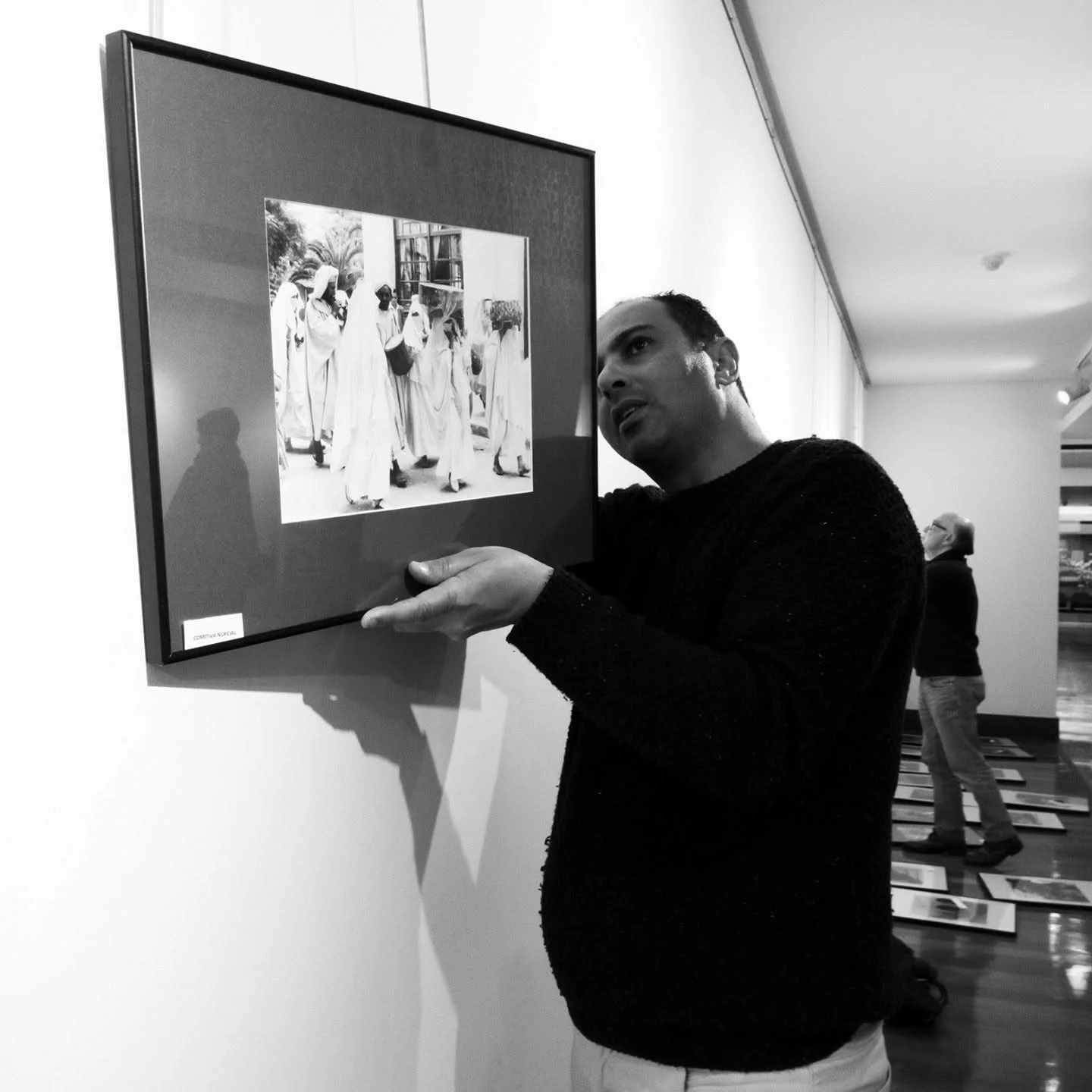
This update focuses on Rachid Ismaili Madrid. Living in Madrid since the early 2000s, Moroccan national Rachid Ismaili has turned community work into a tool to defend fellow citizens and showcase Moroccan culture in Spain.
A multi-track journey between Morocco and Spain
Originally from Meknes, Rachid Ismaili grew up following his father’s postings in the Royal Gendarmerie, moving with his family from one Moroccan city to another. This early mobility already shaped his way of seeing both home and abroad.
He obtained his high-school diploma in Chefchaouen, then joined the Faculty of Arts and Humanities in Martil, near Tetouan, where he chose Islamic studies. His academic path seemed set, until a turning point in 2000.
That year, he left Morocco for Madrid to continue his studies. At the Complutense University, he changed direction, enrolling in Semitic languages and Hebrew before later moving toward other fields, including international relations. This wide-ranging academic background fed his interest in migration and intercultural issues, which would reappear in his professional life.
From migration adviser to entrepreneur
After his studies, Rachid Ismaili Madrid began his career within a Spanish institution, working as an adviser on migration issues for the administration. It was a strategic position, right at the intersection of foreigners’ daily realities, local laws and the concrete needs of families.
At the same time, he had already gained experience in the restaurant sector during his student years. These jobs later encouraged him to try his hand at his own projects, combining entrepreneurship and local initiatives.
This dual background – in public administration and in the private sector – gave him a clear view of the difficulties Moroccans in Spain face, from paperwork and integration challenges to economic and social vulnerability.
How Rachid Ismaili Madrid keeps Moroccan culture alive
In 2007, a new chapter opened with the creation of the Arab-Spanish Association, which he would later chair. The organisation quickly became a place of support and mediation for many Moroccans in Spain.
The association focuses on two main areas:
- assisting Moroccan detainees in Spain, helping them maintain contact with their families and understand their rights;
- organising activities that promote Moroccan culture among the Spanish public and younger generations born in the country.
Among these initiatives, the exhibition “Morocco Between Cultures” holds a special place. Designed to highlight the country’s diversity, it was supposed to be held again in Madrid this year but ultimately did not take place. For families living far from home, such events are crucial: they allow children of Moroccans abroad to reconnect with Morocco through art, history and memory.
Through this work, Rachid Ismaili Madrid helps make daily life a little easier for part of the Moroccan community in Spain, while projecting a vibrant, diverse image of their country of origin.
An engagement that resonates with Moroccans abroad
Rachid’s trajectory reflects a wider reality for many Moroccans settled in Europe: a constant back-and-forth between studies, work, integration and the desire to stay connected to Morocco.
His role in the Arab-Spanish Association shows how a personal journey can turn into a collective resource for others, especially for those facing isolation or legal and social hurdles.
His work does not directly affect airline bookings or holiday travel, but it highlights another dimension of mobility: social ties, solidarity and cultural transmission for families who may not be able to travel often or return to Morocco as much as they wish.
For Moroccans living in Spain or elsewhere, the example of Rachid Ismaili is a reminder that local engagement, even on a small scale, can have a real impact on those whose voices are rarely heard.
For more context, readers can follow Canal212 news for Moroccans abroad.
For official updates, readers can check the relevant official source.
Don’t miss out on the latest news from the diaspora!
Sign up for our next newsletter to receive our practical guides, advice (on procedures and investment) and the latest news for French nationals living abroad, delivered straight to your inbox.