


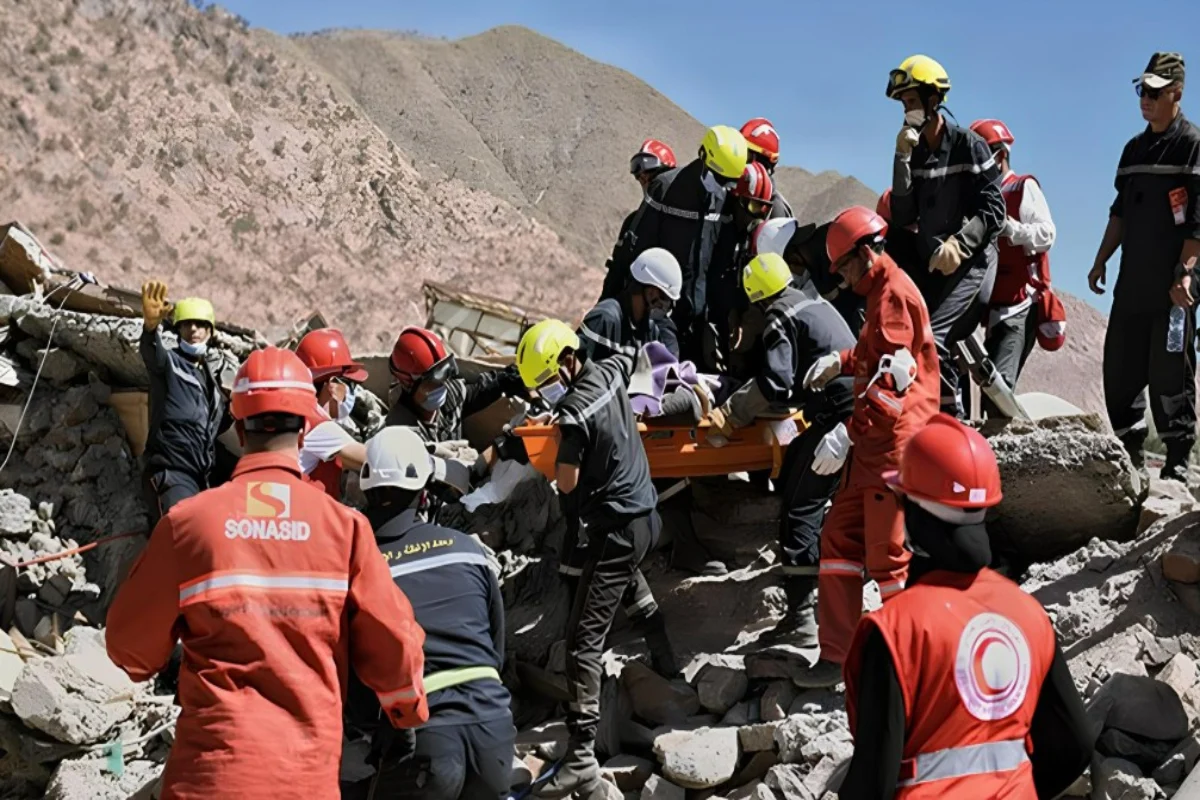
This update focuses on Morocco disaster risk ranking. Morocco is listed this year among the countries with a “high” disaster risk in the 2026 WorldRiskReport, ranking 45th out of 193. This result is drawing attention, including from Moroccans abroad who keep close ties and projects in the country.
Morocco disaster risk ranking: what the 2026 report says
According to the report, the Morocco disaster risk ranking shows an overall score of 12.59 points. The Kingdom stands just 1.14 points below the “very high” risk category, set at 13.73 points.
This international report, produced by the alliance Bündnis Entwicklung Hilft together with a German research institute, does not predict when an earthquake, flood or storm will strike. Its aim is to assess how exposed populations are and how prepared societies are to cope.
It combines two main components:
- exposure to natural hazards (earthquakes, drought, floods and others);
- vulnerability of societies (social and economic conditions, response capacities).
A country highly exposed, with medium vulnerability
For Morocco, the exposure index reaches 7.45 points, placing the country in the “high” exposure category. The territory faces several threats, including earthquakes, droughts, flash floods and landslides.
Vulnerability is rated at 21.26 points, considered “medium”. This dimension looks at infrastructure, early warning systems, access to essential services and the ability of institutions to intervene in an emergency.
The overall 12.59 score is calculated using the geometric mean of exposure and vulnerability. This method allows countries to be compared, even if they are not exposed to exactly the same types of hazards.
A comparison tool, not a prediction of disaster
The Morocco disaster risk ranking does not mean the country has a 12.59% chance of suffering a catastrophe. It is not a weather or seismic forecast.
It is a comparative index. It positions Morocco against other countries and highlights room for improvement, especially in prevention, preparedness and emergency response.
Two countries exposed to the same hazards can show very different risk levels. The gap often depends on:
- the quality of buildings and infrastructure;
- the reach of early warning systems;
- the strength of health and emergency services;
- the financial and institutional resources available in a crisis.
What it means for Moroccans living abroad
For Moroccans living overseas, this ranking alone does not call into question plans to return, invest or travel regularly to Morocco. But it is a reminder of a few practical points to keep in mind.
Before moving back permanently or buying property, it may be useful to:
- check the specific risks in the chosen region (seismic, flood-prone or not);
- assess construction quality and compliance with safety standards;
- consider insurance that covers natural disasters;
- get informed about local emergency and evacuation plans.
For holiday trips, the index mainly underscores the importance of following official guidance in case of severe weather or earthquake alerts, and staying connected to trusted information channels.
In the background, this report shows that Morocco, like many countries exposed to natural hazards, needs to keep strengthening prevention, resilient infrastructure and public awareness. These efforts are closely watched by Moroccans abroad, who are deeply attached to the country’s safety and long-term development.
For more context, readers can follow Canal212 news for Moroccans abroad.
For official updates, readers can check the relevant official source.
Don’t miss out on the latest news from the diaspora!
Sign up for our next newsletter to receive our practical guides, advice (on procedures and investment) and the latest news for French nationals living abroad, delivered straight to your inbox.