
Morocco aims to keep its energy supply stable despite rising geopolitical tensions affecting international markets. Following a meeting of the ministerial commission in charge of monitoring the impact of geopolitical tensions in the Middle East, the Minister of Energy Transition and Sustainable Development, Leïla Benali, confirmed that the national market will continue to be regularly supplied until the end of 2026.
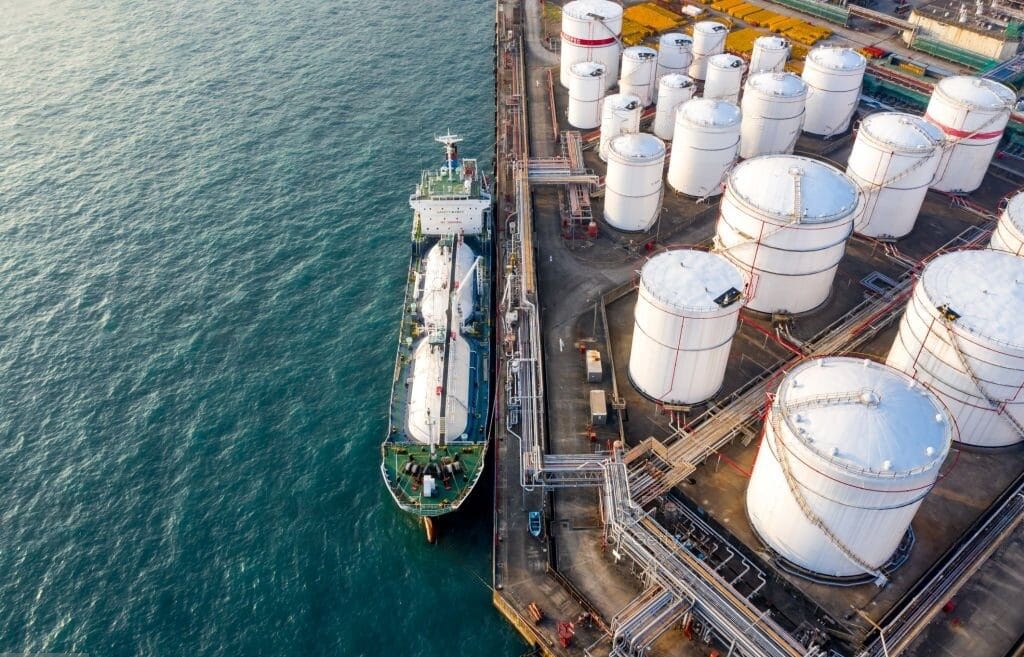
The minister also specified that available stocks of petroleum products currently cover between 40 and 60 days of consumption, depending on the product. The authorities are also carrying out daily monitoring of product availability and supply flows.
Morocco’s energy supply: reserves covering 40 to 60 days
The level of fuel reserves is one of the main pillars of the current system.
According to Leïla Benali, stocks of the different petroleum products currently cover a period of 40 to 60 days, with variations depending on the product concerned.
The minister highlighted in particular diesel and butane gas, two products that are essential for the functioning of the economy and for household needs.
These reserves are not a fixed quantity, however. Their level changes with imports, domestic consumption and the arrival of new cargoes.
Daily monitoring of stocks and imports
To ensure market continuity, the ministerial commission is providing daily monitoring of the situation.
The relevant departments closely track the availability of energy products and work with sector operators. This coordination is designed to anticipate any potential pressure on supplies.
The mechanism is being implemented in an international context marked by geopolitical tensions in the Middle East and their impact on global hydrocarbon markets.
Diesel and butane under special watch
The authorities are paying particular attention to diesel and butane gas.
Diesel plays a central role in passenger and freight transport, as well as in several key economic activities. Butane gas, for its part, remains widely used by Moroccan households for cooking and heating water.
Close monitoring of these two products is therefore intended to maintain their availability on the national market.
The commission also reviewed the Kingdom’s strategic reserves and confirmed diesel and butane gas stocks covering between 40 and 60 days of consumption.
Visibility ensured until the end of 2026
The current level of stocks does not mean that Morocco has 60 fixed days of reserves guaranteed through to 31 December.
The assurance given by the minister is based on a combination of mechanisms: existing stocks, new imports, daily market monitoring and coordination with operators.
Leïla Benali stated that the national market will remain regularly supplied until the end of the year.
This clarification helps distinguish between the current stock levels and the broader visibility the authorities have over the coming months.
Imports remain crucial
Morocco depends heavily on imports to meet its needs for petroleum products. Securing supply therefore also relies on the ability of operators to arrange purchases and deliveries in a timely manner.
This issue had already been raised by Leïla Benali in the spring. In April, the minister explained that diversifying import sources, particularly from the United States, South America and several European countries, was helping to secure market needs.
The authorities therefore have several levers to limit the risk of shortages when international conditions become more challenging.
Support maintained for transport professionals
The supply question also arises at a time when international hydrocarbon prices remain under pressure.
The ministerial commission has decided to maintain the direct and exceptional support granted to freight and passenger transport professionals. According to Médias24, the amount of this support will be adjusted according to how fuel prices evolve.
This measure is intended in particular to limit the impact of fuel price fluctuations on public transport fares.
The Minister of Economy and Finance, Nadia Fettah, also indicated that the necessary financial resources will be mobilised to support the sectors concerned and to curb the impact of these fluctuations on inflation.
What about long-term energy security?
Beyond the immediate situation, Morocco is also continuing to strengthen its energy infrastructure.
Storage capacity remains at the heart of the sector’s strategy. Available data show that capacity varies significantly from one product to another: stock levels expressed in days of consumption differ in particular between diesel, gasoline, kerosene and butane gas.
At the same time, the Kingdom is pushing ahead with the development of renewable energies and the infrastructure required for the energy transition. Securing conventional supplies therefore goes hand in hand with a broader strategy to diversify the national energy mix.
Morocco aims to avoid any supply disruption
For now, the authorities’ message is clear: the national market continues to be regularly supplied and the situation is being monitored on a daily basis.
Current stocks cover between 40 and 60 days, depending on the product. In parallel, imports and supply flows continue to be tracked in order to maintain the availability of diesel, butane gas and other energy products.
Morocco thus has visibility that extends until the end of 2026, at a time when international markets remain exposed to geopolitical tensions and volatile hydrocarbon prices.
External sources:
Don’t miss out on the latest news from the diaspora!
Sign up for our next newsletter to receive our practical guides, advice (on procedures and investment) and the latest news for French nationals living abroad, delivered straight to your inbox.