
This update focuses on Moroccan artists in politics. With Morocco’s 23 September legislative elections fast approaching, a familiar face from everyday life is stepping into politics: the country’s artistic community.
Directors, actors and cultural figures are now appearing at rallies, in campaign videos and, for some, directly on party lists. This new visibility raises questions about the links between celebrity, political commitment and citizen participation, including for Moroccans living abroad who closely follow developments back home.
Popular faces inside party rallies
The growing role of Moroccan artists in politics is first visible at public meetings. Director Amine Nassour, along with actors Abdellah Ferkous and Farid Regragui, has been seen at an event organised by the Authenticity and Modernity Party (PAM).
These figures enjoy broad popularity among Moroccans, both in the country and across the diaspora. Their participation instantly boosts the visibility of campaign events and can attract people who usually keep their distance from party activities.
Other cultural personalities have opted for a more structured commitment. Saïd Aït Baja and Saad Tssouli have joined the National Rally of Independents (RNI) through its National Federation of RNI Artists. Their role now goes beyond symbolic appearances: they take part in internal work, mobilisation efforts and discussions on cultural policy.
From screen to ballot: the case of Fatima Ouchay
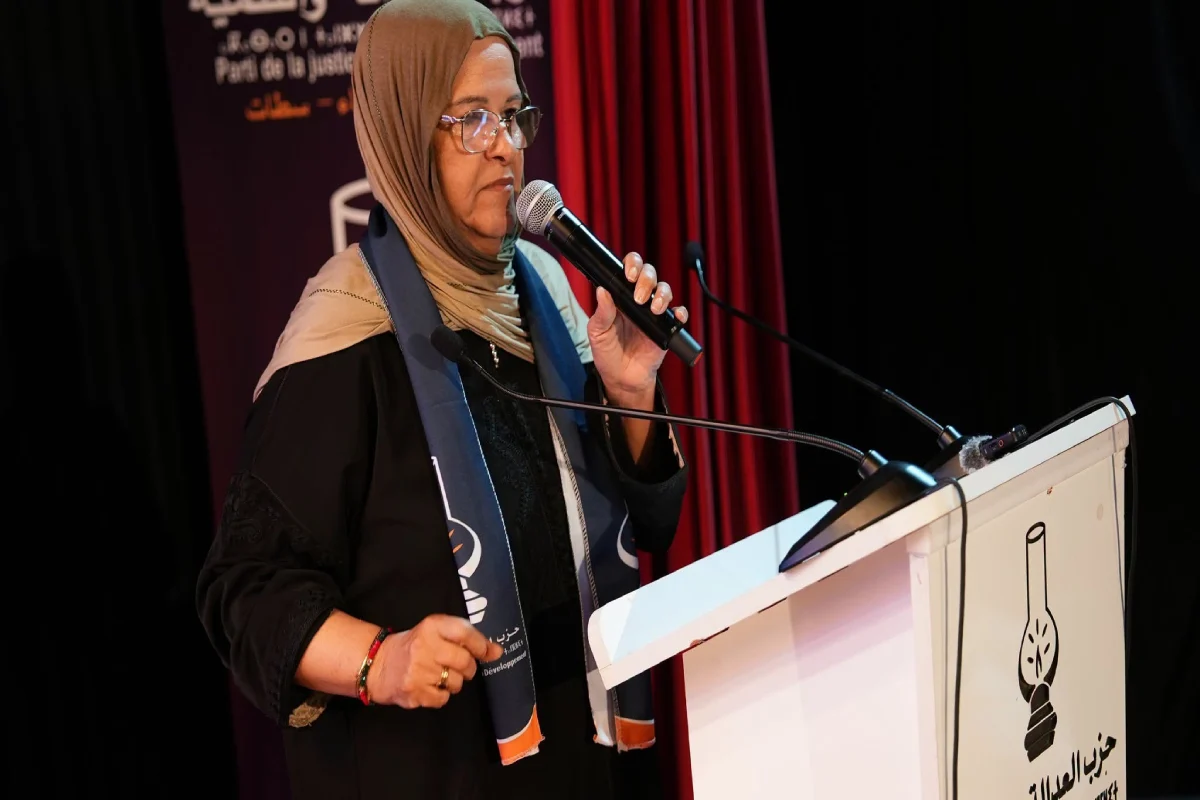
Among the most high-profile figures this season is actress Fatima Ouchay, who is running under the Justice and Development Party (PJD) banner in the Casablanca-Settat region.
Her well-known face, long associated with film and television, now appears on posters and campaign material. For many voters, including those who have followed Moroccan productions from abroad, her candidacy illustrates how the boundary between the artistic and political fields is shifting.
For Moroccans abroad considering a return, an investment or a stronger associative role in Morocco, this evolution is worth watching. It could influence how public policies integrate culture, audiovisual production and creative industries, sectors in which many members of the diaspora are already active.
Moroccan artists in politics: conviction or communication?
Artists are also involved behind the camera. Several personalities are helping produce short campaign videos for different parties. Soukaina Darabil, Zouhour Slimani and Benaïssa Jirari have lent their image and expertise to formats tailored for social media.
For some, political engagement goes far beyond a one-off endorsement. Actor Saïd Aït Baja has publicly stressed that joining a party is, for him, the result of deep conviction. He describes his membership as a “political and intellectual choice”, in line with the party’s programme and its vision for society and the country’s future.
He underlines the difference between:
- a Moroccan artist in politics who chooses long-term party work; and
- a celebrity invited only to boost a campaign’s image for a few weeks.
In the first case, he notes, long-term engagement exposes artists to criticism, accountability and ongoing political debate well beyond election day.
What does this mean for Moroccans abroad?
For Moroccans living overseas, this entry of Moroccan artists in politics can have several indirect effects. It can first rekindle interest in party programmes when familiar faces carry messages on culture, youth or social rights.
It may also influence issues closely watched by the diaspora, such as support for Moroccan creative work abroad, funding for cultural projects led by Moroccans of the world, or the way the community is portrayed in films and TV series.
As voters in Morocco prepare to go to the polls on 23 September, the strong presence of artists in the campaign is a reminder that politics no longer live only inside party headquarters. They also play out on social networks, screens and stages where Moroccans, at home and abroad, connect every day.
Following the campaign from abroad
For Moroccans outside the country who want to stay informed, it is important to distinguish between pure image support and genuine political work. The popularity of an actor or singer is no substitute for reading programmes or assessing measures that directly affect paperwork, mobility, investment projects or plans to return to Morocco.
This year’s legislative elections nonetheless send a clear signal: Moroccan politics is looking for new voices and channels to speak to citizens, including those who experience the country from a distance.
For more context, readers can follow Canal212 news for Moroccans abroad.
For official updates, readers can check the relevant official source.
Don’t miss out on the latest news from the diaspora!
Sign up for our next newsletter to receive our practical guides, advice (on procedures and investment) and the latest news for French nationals living abroad, delivered straight to your inbox.