


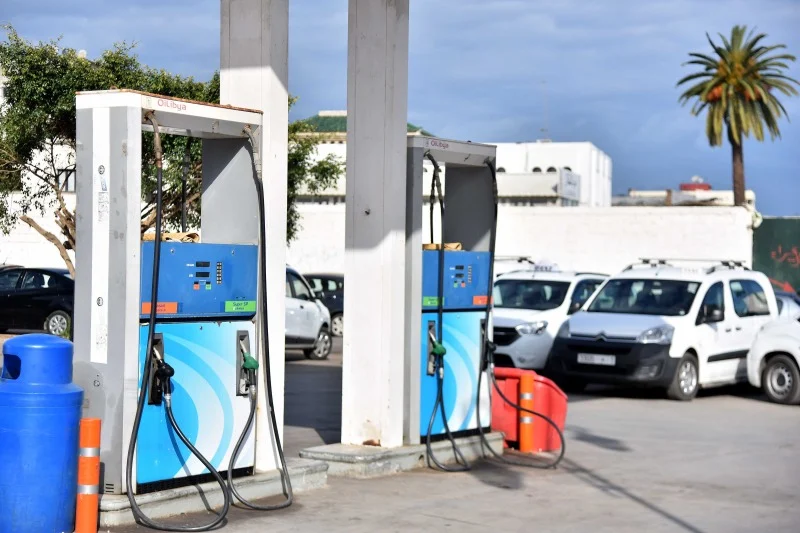
This update focuses on Rabat diesel price hike. In Rabat, grand taxi drivers are threatening to go on strike as the diesel price climbs above 16 dirhams per liter, a surge that could also weigh on the travel budgets of Moroccans visiting from abroad.
Rabat diesel price hike: fares still frozen but under pressure
For now, no official fare increase has been approved for grand taxis in Rabat. Sector representatives met on Wednesday to discuss a possible 1-dirham rise on certain routes across the capital, but no decision was reached.
According to a source close to the talks, a strike remains a serious option. Drivers say their operating costs are exploding with higher diesel prices, while fares have not moved.
The Rabat diesel price hike is fueling a tense climate in the sector. Any approved increase would directly affect residents’ daily trips, but also the journeys of Moroccans living abroad when they return home and rely on taxis to move around the city.
Soaring fuel costs putting drivers under strain
Across Morocco, diesel now sells for more than 16 dirhams per liter in many service stations. For grand taxi drivers, this threshold makes their activity increasingly difficult to sustain.
They argue that their expenses keep rising while customers remain highly sensitive to any fare change. Some fear a drop in demand if journeys become significantly more expensive.
For Moroccans abroad who already juggle car rentals, taxis and intercity trips during their stays, this fuel tension adds to a broader increase in the cost of living they have noticed in recent years.
State fuel subsidy under fire over irregular payments
Beyond pump prices, drivers are also denouncing problems with the payment of the latest tranche of the state fuel subsidy, covering the month of August.
A professional source describes a “climate of discontent and confusion” among drivers. According to reported information, some banks paid out 1,100 dirhams to part of the beneficiaries on the first day, then stopped payments citing a lack of cash.
Other drivers reportedly received only 600 dirhams, feeding a sense of injustice and unequal treatment within the profession.
Two scenarios on the table for future fares
Faced with this situation, two options are currently being debated by grand taxi representatives:
- demand clear, harmonised rules for paying out the subsidy so every driver receives the same amount; or
- drop the subsidy mechanism altogether in exchange for an official, regulated fare increase.
Sector representatives firmly deny that any fare hike has already been applied on certain lines, including the route between Hay Ryad and downtown Rabat. The issue remains open and is expected to be revisited in a forthcoming meeting.
What this means for travellers and Moroccans abroad
In a city like Rabat, where grand taxis still play a key role in connecting neighbourhoods and the outskirts, any strike or fare increase would quickly be felt.
For Moroccans living abroad planning a trip home, the current tension is a reminder to be cautious when setting a transport budget. Between expensive fuel, a possible fare rise and the risk of temporary disruptions, it may be wise to build in some extra margin.
On their side, sector representatives have sent a letter to the head of the economic affairs division at the prefecture, asking for talks with the wali and the secretary-general. A meeting is expected to clarify how the subsidy is paid and to decide on the future of fares.
Until an official decision is made, passengers – residents and visiting Moroccans alike – remain in limbo as the Rabat diesel price hike continues to raise questions about the cost and reliability of daily transport.
For more context, readers can follow Canal212 news for Moroccans abroad.
For official updates, readers can check the relevant official source.
Don’t miss out on the latest news from the diaspora!
Sign up for our next newsletter to receive our practical guides, advice (on procedures and investment) and the latest news for French nationals living abroad, delivered straight to your inbox.