
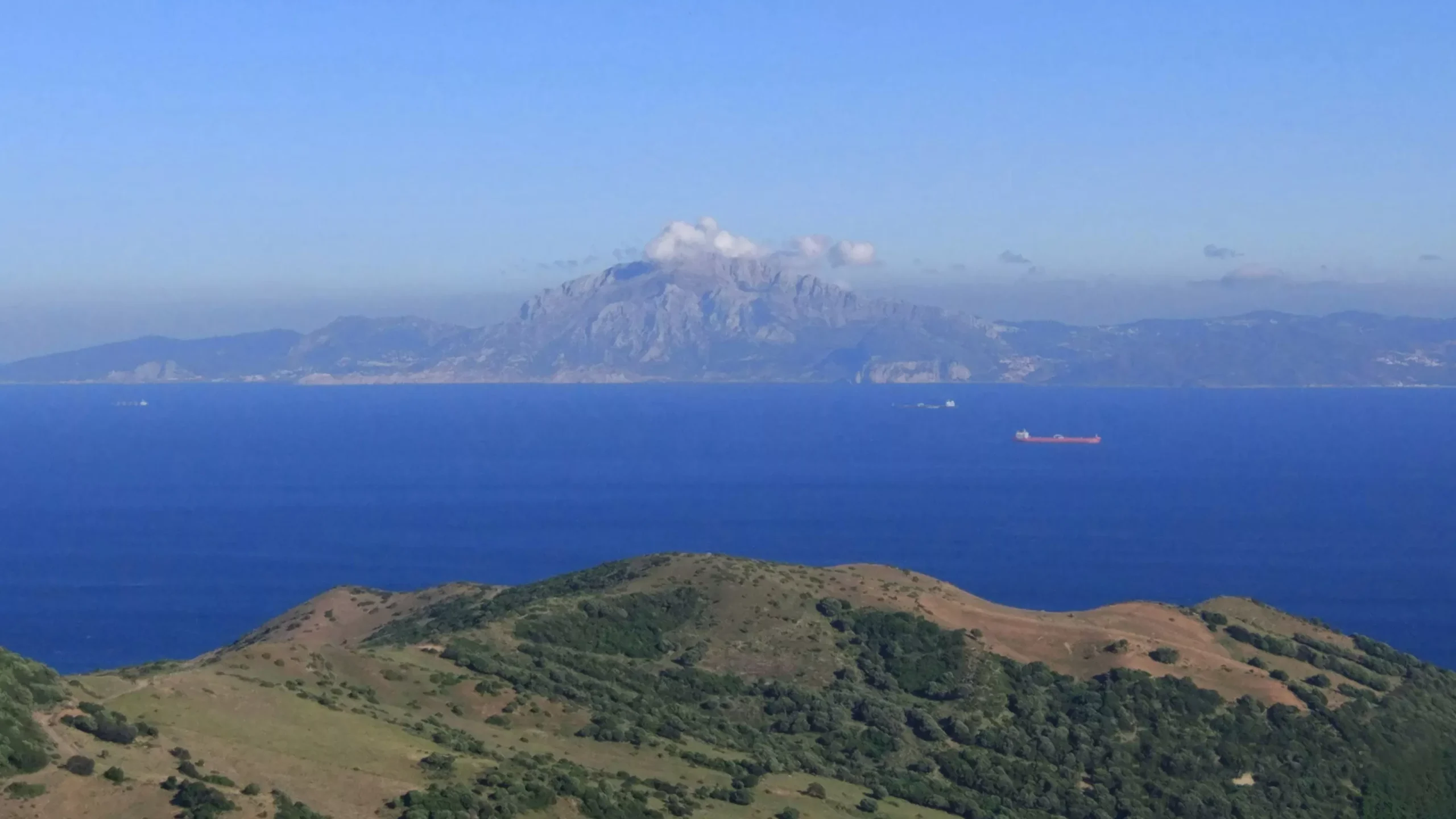
This update focuses on Strait of Gibraltar Morocco. Morocco has reminded the UN that managing the Strait of Gibraltar is a shared responsibility rather than a national asset, urging the adoption of a code of conduct to secure global maritime traffic.
Strait of Gibraltar Morocco: a key responsibility
Speaking on Thursday at an Arria-formula meeting of the UN Security Council, Foreign Affairs Minister Nasser Bourita underlined Morocco’s particular role in securing the Strait of Gibraltar.
He stressed that the Kingdom is not just a coastal state. It bears a direct responsibility in managing and securing this maritime corridor, regarded as one of the world’s most important sea lanes.
The minister added that Morocco does not see its geographical position as a privilege or leverage tool. For Rabat, it is an international responsibility and a driver for regional cooperation.
A vital corridor for travel and trade
For Moroccans living abroad, the Strait of Gibraltar is not an abstract map feature. It is a crucial corridor for journeys between Europe and Morocco, especially during summer holidays or plans to move back home.
According to Nasser Bourita, nearly 100,000 ships pass through the strait every year. That amounts to about 300 vessels a day, or one ship every five minutes.
He also noted that traffic through the Strait of Gibraltar is:
- five times heavier than through the Suez Canal;
- eleven times higher than through the Panama Canal;
- almost three times more intense than through the Strait of Hormuz.
This concentration of traffic explains why the security of this area directly concerns travellers, ferry operators and all those who rely on routes linking Morocco to Europe.
Towards a code of conduct for strategic straits
The meeting, hosted by Bahrain, focused on the theme: “Safe seas, shared security: protecting freedom of navigation in an evolving security environment”.
Within this framework, the Moroccan foreign minister called for an initiative to draft a code of conduct for states bordering major straits such as Gibraltar and Hormuz.
The aim is to strengthen cooperation among coastal states, anticipate security risks and safeguard freedom of navigation, which is vital for global trade and international travel.
For Moroccans abroad, stronger coordination around the Strait of Gibraltar can help reduce disruptions linked to regional tensions, security threats or blockages that may affect ferry connections between Morocco and Europe.
A stake for stable Morocco–Europe links
While the details of this future code of conduct still have to be negotiated, Rabat’s stance at the UN confirms a consistent line: defend free movement and secure sea routes while taking an active role in their management.
In practical terms, this means Morocco is seeking cooperative mechanisms that protect both:
- passenger traffic, including the seasonal crossings of Moroccan families living in Europe;
- and cargo flows, which are vital for the national economy and for trade with Moroccan communities abroad.
By reiterating that managing straits is a shared responsibility, Morocco signals its willingness to preserve, over the long term, the stability of the Strait of Gibraltar and other strategic passages, for the benefit of coastal states and all sea users.
The next steps will depend on talks among concerned countries and on work carried out in UN and regional forums. For now, the message is clear: the security of strategic passages such as the Strait of Gibraltar Morocco must be treated as a common good, serving international navigation and links between both shores.
For more context, readers can follow Canal212 news for Moroccans abroad.
For official updates, readers can check the relevant official source.
Don’t miss out on the latest news from the diaspora!
Sign up for our next newsletter to receive our practical guides, advice (on procedures and investment) and the latest news for French nationals living abroad, delivered straight to your inbox.