


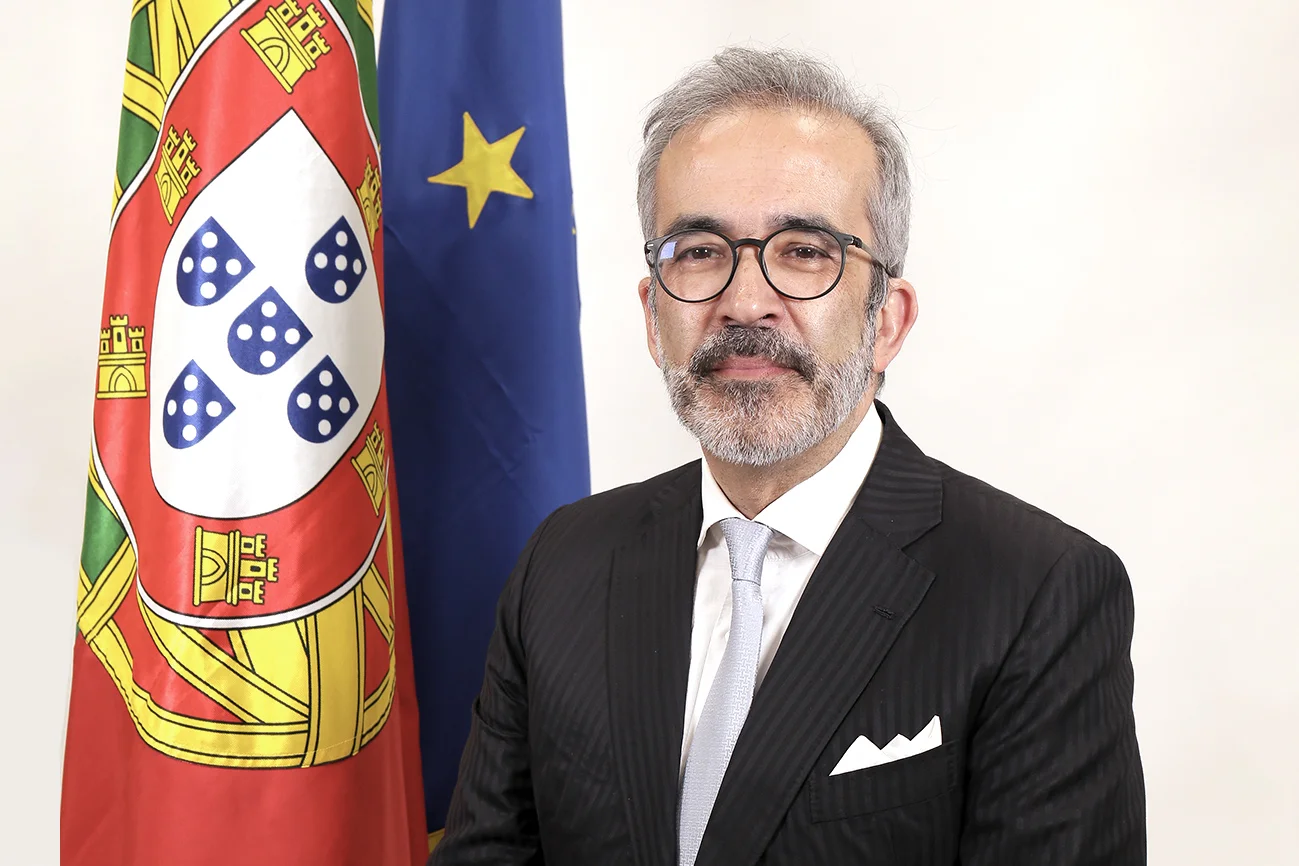
The Ceuta crisis is once again putting EU border management under the spotlight, and the Portugal Ceuta crisis debate highlights Morocco’s central role in handling migration flows towards the Schengen area.
Portugal Ceuta crisis: what to know
Portuguese Foreign Minister Paulo Rangel has praised Morocco’s ability to curb migrant arrivals in the Spanish enclave of Ceuta. He described the steps taken by Moroccan authorities to contain these movements as “impressive”.
According to Rangel, Portugal’s assessment is that recent entries into Ceuta do not represent an “immediate threat” to the Schengen area or to Europe’s free movement zone.
His comments come at a time when several European capitals are questioning how they manage their external borders, with Morocco now seen as a key partner.
Tracking developments “hour by hour”
Paulo Rangel spoke during the Ambrosetti Forum in Cernobbio, northern Italy. He explained that Portugal is monitoring developments in Ceuta “hour by hour”.
The foreign minister said Lisbon receives constant updates on the Ceuta situation and passes relevant information on to EU stakeholders. He underlined Portugal’s geographical proximity to Spain and the potential risk of a shift in migration routes if the EU’s southern frontier is destabilised.
In this context, the Portugal Ceuta crisis discussion also reflects the broader stakes of cooperation between Rabat and EU countries on border security and migration management.
Towards a more coordinated EU response
Lisbon supports holding a meeting of EU interior ministers to examine the fallout from the crisis and strengthen coordination on migration.
The initiative follows a call by Italian Prime Minister Giorgia Meloni for a common approach to arrivals at the EU’s southern borders.
For Moroccans living abroad, such coordination can influence several concrete aspects:
- changes in internal border checks within Schengen, which may affect routes via Spain or Italy;
- future adjustments in visa or residence policies for non-EU nationals, although nothing specific has been announced for now;
- a likely intensification of EU–Morocco dialogue on mobility and border security.
No targeted measures concerning Moroccan nationals in Europe have been announced in direct connection with Ceuta, but crises of this kind often provide the backdrop for new regulations or tightened controls.
Schengen, temporary tensions and travel impact
Commenting on Italy’s decision to temporarily suspend Schengen rules for arrivals from Spain and reintroduce border checks, Paulo Rangel played down tensions between Rome and Madrid.
He stressed that Spain and Italy remain “friends” and that this “minor” disagreement should be resolved soon.
For Moroccans who travel to and from Morocco via these countries, such temporary arrangements mainly mean the need to:
- allow extra time for checks when transiting through Italy or Spain;
- regularly check travel advice from national and EU authorities;
- stay alert to any extension or lifting of these controls.
Against this backdrop, Portugal’s recognition of Morocco’s role in Ceuta confirms that Rabat remains at the heart of European debates on migration. Moroccans abroad can read this both as a sign of political trust and as a reminder to closely follow upcoming decisions on Schengen and travel conditions within Europe.
Before any trip or long-term return plan, it remains advisable to double-check information on official portals and with competent authorities.
For more context, readers can follow Canal212 news for Moroccans abroad.
For official updates, readers can check the relevant official source.
Don’t miss out on the latest news from the diaspora!
Sign up for our next newsletter to receive our practical guides, advice (on procedures and investment) and the latest news for French nationals living abroad, delivered straight to your inbox.