
Morocco’s 2026 legislative elections have largely moved onto screens, with a Morocco digital campaign that is bigger, more expensive and still poorly regulated.
Morocco digital campaign: what to know
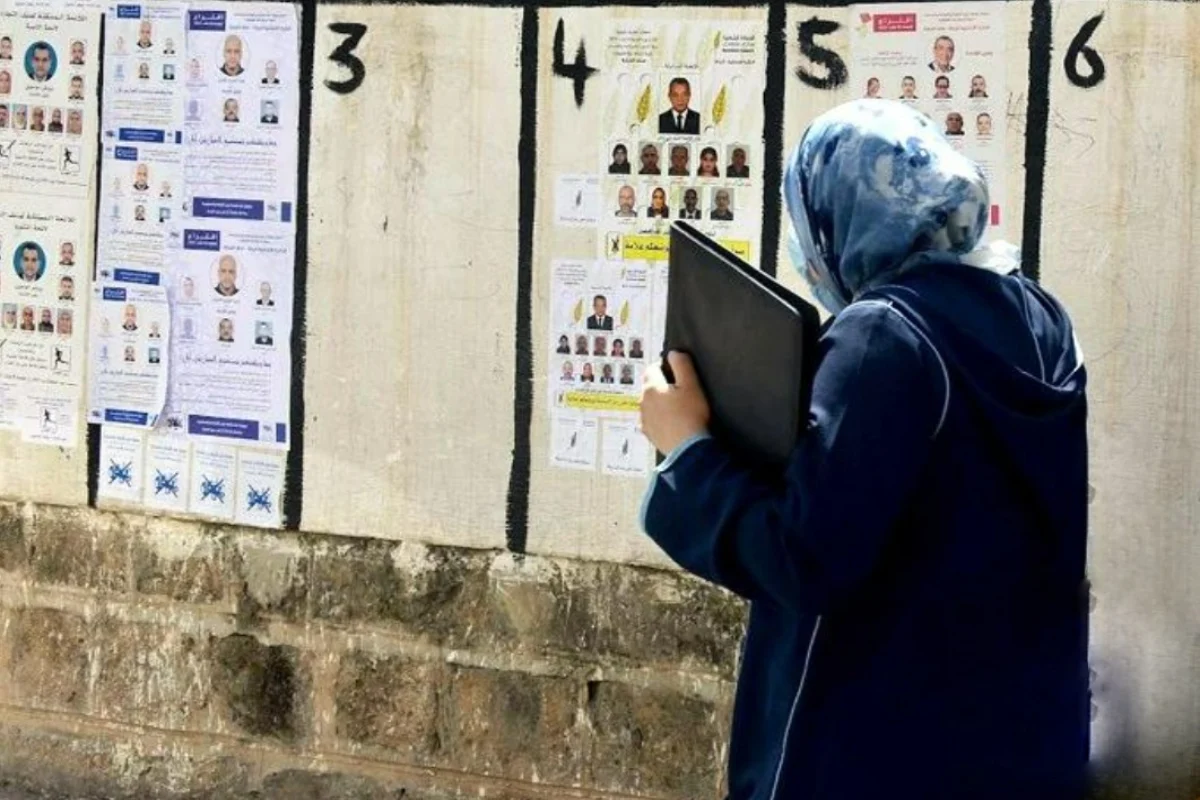
A recent report by the Moroccan Observatory for Media and Digital Monitoring, dedicated to tracking the 2026 legislative race online, shows that political parties turned social platforms into their main battleground. Large physical rallies have been downgraded, along with in-depth debates on political programmes.
In 2021, the shift to digital campaigning was primarily driven by Covid-19 restrictions. In 2026, it reflects a clear strategic choice. Candidates are going where the audience is, on Facebook, Instagram and other networks, especially to reach younger voters.
For Moroccans living abroad, who often have limited access to on-the-ground political life, this Morocco digital campaign has become one of the few windows onto what is happening in the country. But that window is increasingly shaped by money, advertising tools and algorithms.
Online political ad spending soars
The report highlights a sharp rise in spending on digital political advertising. The party that invested the most in online ads is reported to have spent close to 836,000 US dollars, compared to 206,000 dollars in 2021 — roughly a fourfold increase.
In just eleven days, 538 paid political ads were recorded on Facebook and Instagram, benefiting seven parties. These figures point to an intensive use of paid targeting to reach specific segments of the electorate.
For a voter based abroad, this means the political image of Morocco appearing in their social media feed may be heavily shaped by campaign budgets, sometimes without clear information about who funds and designs the content.
AI-driven messaging, image politics and fake accounts
The Observatory also notes the growing role of artificial intelligence tools in campaign content production. AI helps generate visuals, videos and even tailored messages more quickly, closely tracking trending topics and emotions.
This acceleration comes with a strong focus on image and branding, at the expense of substance. Short formats, slogans and emotional clips dominate, leaving less room for detailed explanations of party programmes, including on key issues for Moroccans abroad such as investment back home, property management or return plans.
Another grey area lies in fake or opaque accounts and pages, which can amplify certain messages or distort the public conversation. For a Moroccan following the elections from Europe, North America or the Gulf, it is becoming more difficult to identify trustworthy sources in this noisy environment.
Online influence: follower counts are misleading
The report reminds readers that the number of followers does not necessarily reflect real political influence. The data collected shows gaps between the size of parties’ online communities and the measurable impact of their sponsored content.
On Facebook, the National Rally of Independents (RNI) leads with around 1.4 million followers, ahead of the Justice and Development Party (PJD) with 1.2 million, followed by the Authenticity and Modernity Party (PAM). But this ranking does not automatically translate into dominance in online debates or at the ballot box.
What this means for Moroccans abroad
For Moroccans overseas who want to stay connected with politics back home, especially when considering investment or a future return, a few basic reflexes are essential:
- check who is behind pages and accounts before sharing their content;
- cross-check information with official or established media sources;
- look for “sponsored” or “ad” labels on political content;
- keep in mind your feed is targeted and not neutral.
Many observers are calling on the authorities to clarify the rules of the game online: transparency on digital spending, clear rules for political ads and better identification of content generated or boosted by AI.
Until such a framework is in place, the Morocco digital campaign will likely keep expanding in a grey zone where technology moves faster than regulation, making it harder for voters at home and abroad to get a clear picture.
For concrete administrative and legal procedures linked to your status as a Moroccan living abroad, reference information remains available on the official portal of the ministry in charge of Moroccans living abroad, a necessary complement to what circulates on social media.
For more context, readers can follow Canal212 news for Moroccans abroad.
Don’t miss out on the latest news from the diaspora!
Sign up for our next newsletter to receive our practical guides, advice (on procedures and investment) and the latest news for French nationals living abroad, delivered straight to your inbox.