


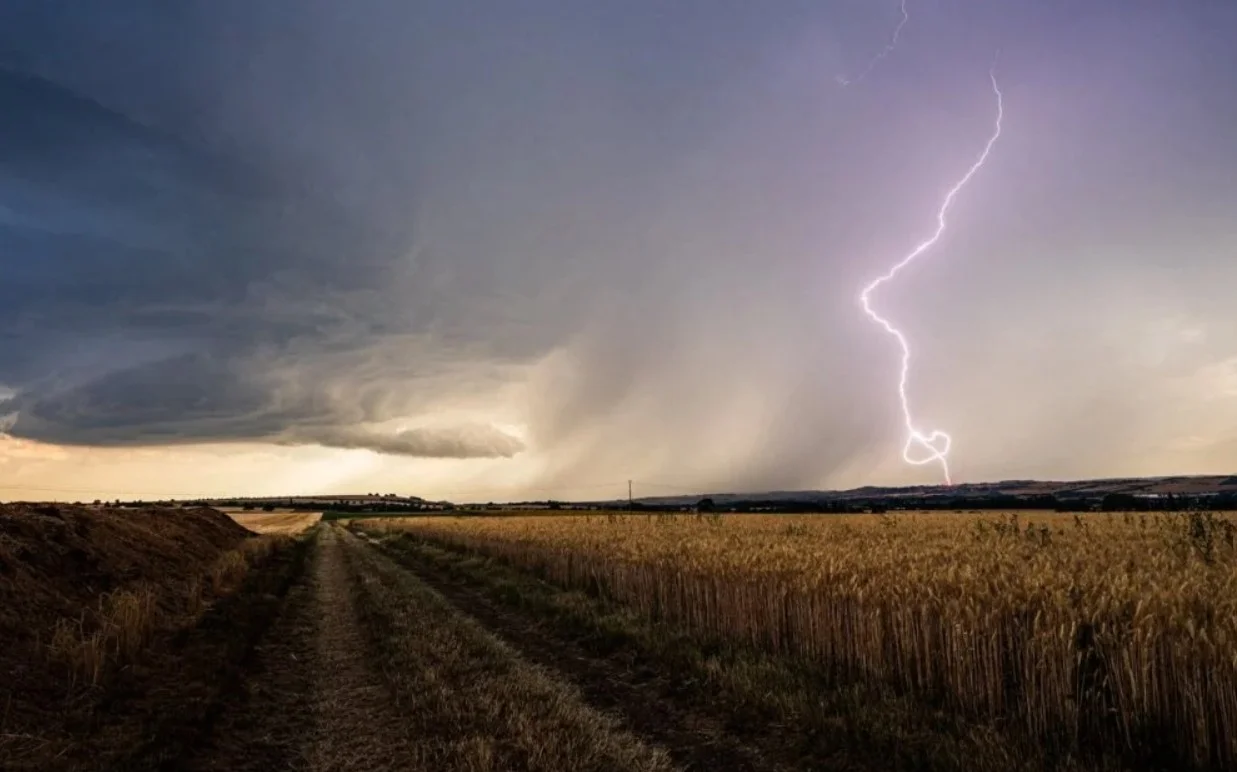
Morocco is entering a period of unstable climate in Morocco, with intense autumn showers, a drier winter and persistent heat that are already affecting daily life and travel plans.
September heat and sudden thunderstorms
Early September remains unusually hot across much of the country. Meteorological alerts are multiplying, combining heatwaves with sudden thunderstorms.
Astronomically, summer lasts until 21 September. But climatologists underline that temperatures no longer stay just high: they regularly cross former thresholds, a sign that a new climatic regime has been in place for several years.
For Moroccans living abroad who return in late summer, this means stays often marked by:
- late heatwaves, even in September;
- violent, localized storms with flash flood risks;
- possible disruption to road traffic in exposed regions.
Unstable climate in Morocco: a wet and stormy autumn
Experts expect a high frequency of autumn showers, against the backdrop of a very strong El Niño episode, as warned by the World Meteorological Organization.
This global phenomenon increases the likelihood of extreme weather events until at least 2027. In North Africa and on the Iberian Peninsula, excess energy accumulated in the climate system translates into higher temperatures and rainfall that often comes in short, intense bursts.
In practice, Morocco’s autumn could alternate between long dry spells, persistent warmth and short but powerful rain events, often stormy. These showers may cause:
- local flooding in urban areas with poor drainage;
- difficult driving conditions on some roads and rural tracks;
- occasional damage to homes and small businesses.
For families in the diaspora planning visits or internal travel between October and November, it is increasingly important to follow official weather bulletins and vigilance alerts before long journeys.
A drier winter does not mean less risk
According to the trends described by climatologists, the coming winter in Morocco should be relatively dry, despite the unstable climate in Morocco over the colder months.
Less rain does not necessarily mean lower risk. Repeated drought has already weakened water resources and agriculture. When regular weather systems are missing, a few intense episodes can then hit very dry soils, increasing runoff and sudden flooding.
For Moroccans abroad preparing investment, housing or agricultural projects back home, this context calls for greater caution: choosing the region, assessing water availability, and carefully timing construction or farming work.
Travel, projects and daily life: adapting to the new normal
Climatologists insist that Morocco no longer lives under the climate of previous decades. The planet’s energy imbalance keeps growing, without stabilising, driving temperatures up and reshaping seasons.
For the diaspora and their relatives in the country, a few habits are becoming essential:
- check national forecasts and weather alerts before flights or long road trips;
- allow buffer time for connections and inland travel during stormy periods;
- factor climate variability into any construction, farming or long-term return project.
In parallel, Moroccan authorities are working on climate adaptation plans, water management and early-warning systems. Yet the scenarios outlined by experts point to one certainty: Moroccans, at home and abroad, now need to treat the weather as a strategic parameter in their decisions.
To support your return plans and administrative procedures, you can consult our dedicated guide for Moroccans living abroad, alongside information from the official Moroccan administration portal (https://www.mre.gov.ma/).
For more context, readers can follow Canal212 news for Moroccans abroad.
Don’t miss out on the latest news from the diaspora!
Sign up for our next newsletter to receive our practical guides, advice (on procedures and investment) and the latest news for French nationals living abroad, delivered straight to your inbox.