


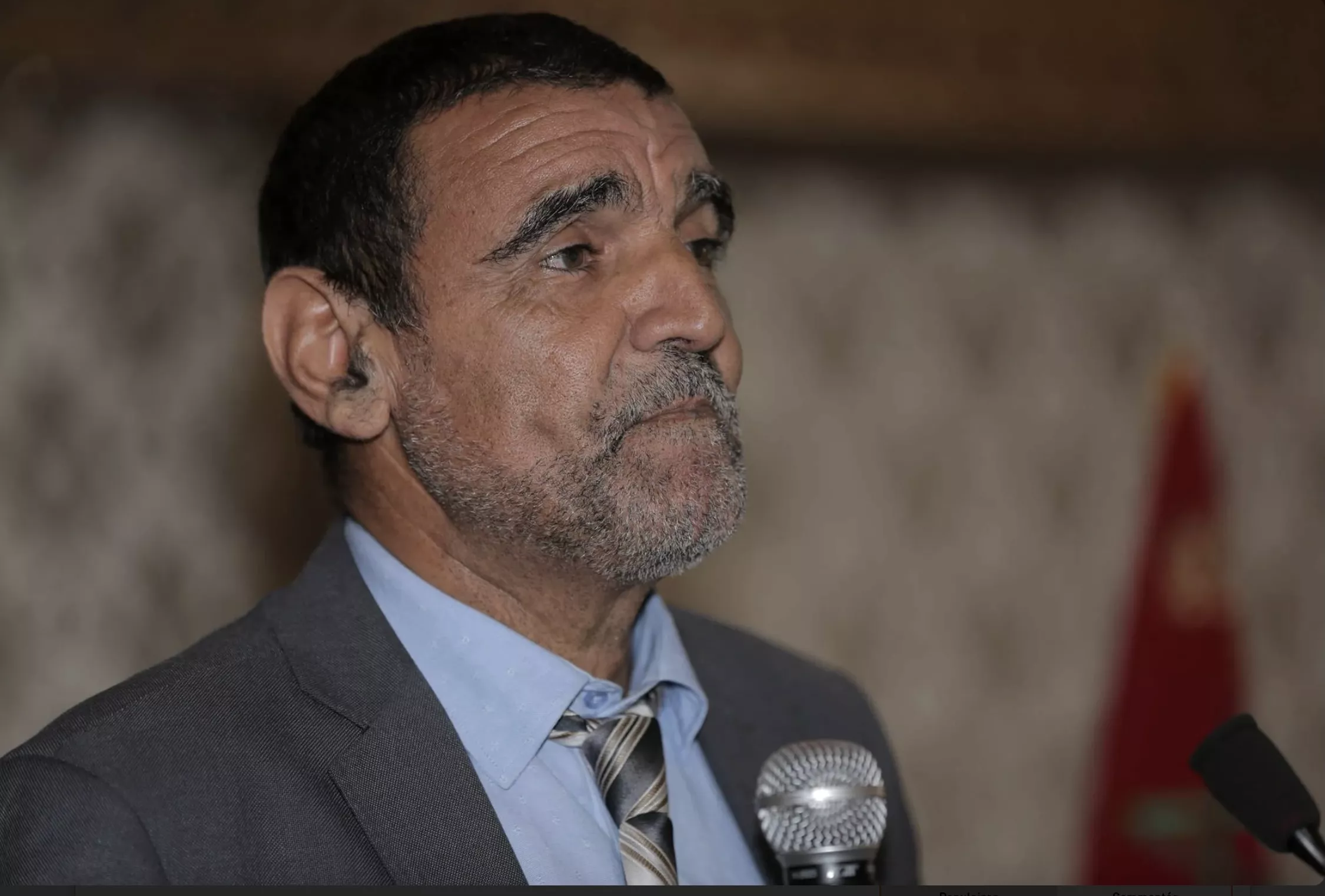
The public storm targeting media nutritionist Mohamed Faid has reopened a sensitive question in Morocco: where does religious criticism end and a criminal offence begin? Behind the outcry, the Faid case religion is really about article 267-5 of the Moroccan Criminal Code, a vague provision on “offending religion”.
Faid case religion: what to know
The controversy started with a Facebook video. In it, Mohamed Faid wondered whether the Prophet Mohammed was literate or not. A few sentences were enough to trigger a chain reaction: outrage on social media, political comments, and statements from associations.
A complaint was then filed in Tetouan, asking prosecutors to open a criminal investigation for “offending religion”. Former Justice Minister Mustapha Ramid, known for his conservative positions on religious issues, publicly acknowledged that Faid’s words did not, at first sight, show a clear intention to insult religion.
Mohamed Faid argues that his wording was hypothetical and misunderstood. But in the current climate, intention seems to weigh less than the accusation itself: a theological discussion, however clumsy, quickly shifts into criminal territory.
What article 267-5 actually says
At the centre of the Faid case religion lies article 267-5 of the Moroccan Criminal Code. It punishes any offence considered as an attack on the Islamic religion, the monarchy or territorial integrity. The maximum sentence can reach five years in prison.
The core issue is that the law never clearly defines what “offending religion” means. Where does free debate end? When does a comment become a criminal act? The line remains blurry.
Legal scholars point out that this vagueness makes it easy to push religious debate into the courtroom. Much depends on prosecutors’ and judges’ interpretation, and on the pressure coming from public opinion.
Why Moroccans abroad should pay attention
For Moroccans living abroad, the case is a reminder that public comments about Islam or religious life in Morocco may have legal consequences if they are physically present in the country.
Several points are worth keeping in mind:
- Posts on Facebook, X or YouTube remain accessible from Morocco, even if they are published from abroad.
- A complaint can be filed in a Moroccan city on the basis of content shared online.
- Authorities may open an investigation if the comments are seen as offensive to religion.
In practice, remarks made from Europe, the Gulf or North America can be examined by Moroccan justice during a trip back home, an extended summer stay, or while handling administrative procedures in the country.
Balancing free speech and legal risk
The Faid affair is not isolated. Other recent cases have followed a similar pattern: one sentence, a post or a video sparks online outrage, then a complaint, then a legal process.
For Moroccans around the world, a few cautious habits are worth adopting when discussing religion on social media:
- Avoid wording that could be perceived as insulting or contemptuous.
- Favour analysis and nuance over provocation.
- Remember that Moroccan law can apply during visits or stays in the country.
The debate on whether article 267-5 should be reformed remains open. Until then, the Faid case religion acts as a warning sign: space for discussion on religious matters does exist, but under a significant legal constraint that Moroccans abroad need to factor into their return plans, media projects and online presence directed at Morocco.
For further practical information on legal context and precautions before returning or settling in Morocco, readers can consult Canal212’s guide on key procedures for Moroccans living abroad. For any official update on legal proceedings or the interpretation of article 267-5, it is still advisable to check institutional channels, including the official news agency website: www.mapnews.ma.
For more context, readers can follow Canal212 news for Moroccans abroad.
Don’t miss out on the latest news from the diaspora!
Sign up for our next newsletter to receive our practical guides, advice (on procedures and investment) and the latest news for French nationals living abroad, delivered straight to your inbox.