


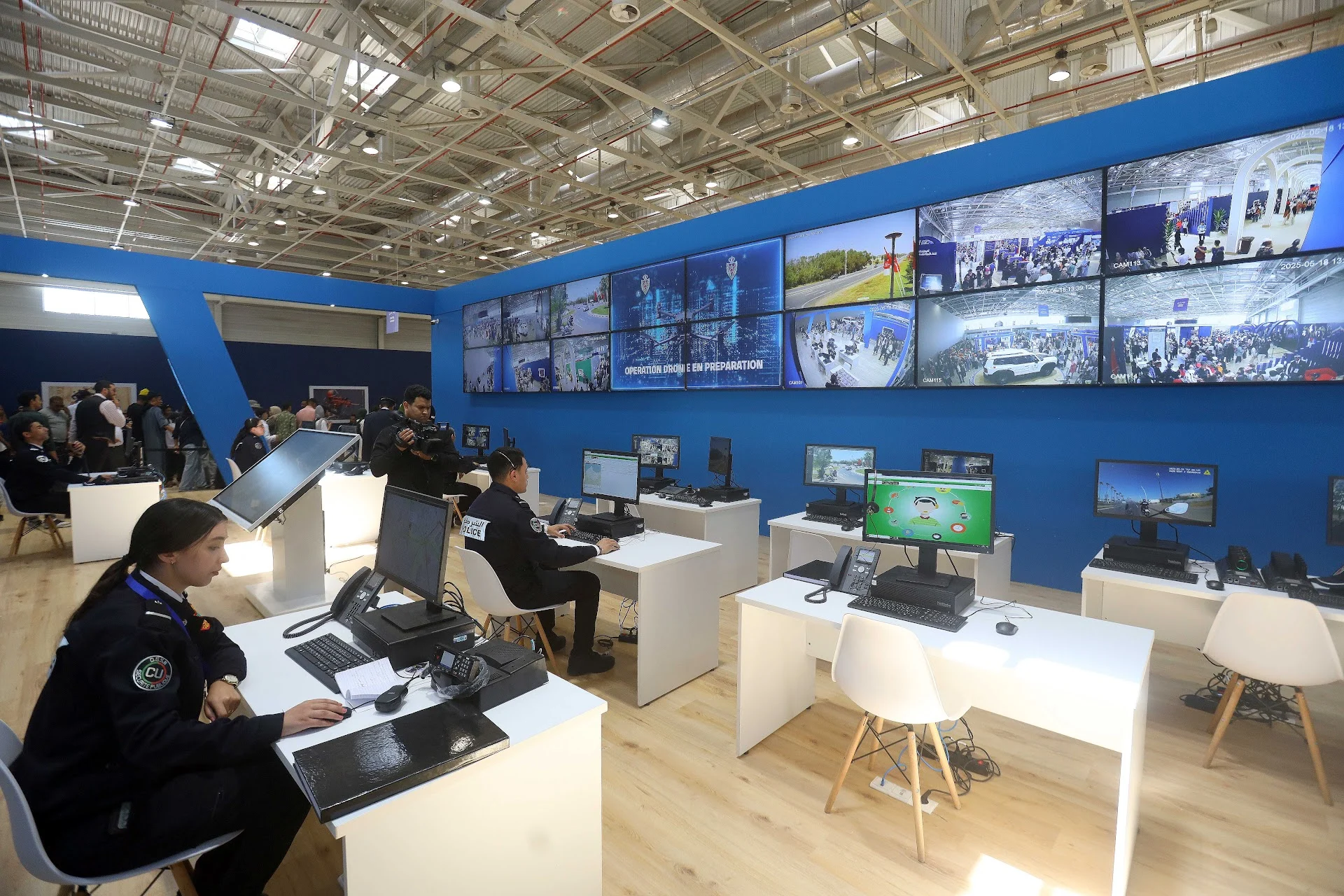
Morocco’s security authorities have moved to reassure the public after personal data was posted online and presented as coming from police and intelligence databases. The joint security pole of the DGSN and DGST insists that Morocco DGSN DGST data systems have not been hacked.
Morocco DGSN DGST data: no breach of core security systems
In an official statement, the pole linking the General Directorate of National Security (DGSN) and the General Directorate for Territorial Surveillance (DGST) categorically denies any intrusion into its secure databases.
It stresses that the personal data recently circulating on the internet “in no way results from a hacking of the security information systems”.
According to the same statement, these are old data sets extracted from databases managed by insurance companies as well as health and social coverage bodies.
In other words, the internal systems of the DGSN and DGST are not identified as the source of these leaks. The pole maintains that its platforms comply with the strictest standards of IT security.
Fake photos and forged documents circulating online
The statement also highlights a different but related threat: the surge of forged photographs and documents shared online and falsely linked to Morocco’s security services.
Officials mention images presented as showing male and female officers from various units, while they are in fact doctored photos. Other pieces are being circulated as supposed “security documents”, though they bear no relation to genuine official paperwork.
The falsified nature of these items is described as “clearly visible”, in particular through:
- the use of uniforms and military ranks that do not exist in Morocco;
- insignia that are not recognised within the national police;
- incorrect graphic charters on alleged leaked files;
- obvious language mistakes in the texts.
For the DGSN-DGST pole, this is a deliberate attempt to mislead the public with fabricated content and to stir suspicion around security institutions.
What it means for Moroccans living abroad
For Moroccans living abroad, the key issue is trust in the procedures carried out with security services when they travel back home. Morocco DGSN DGST data are used, for example, when issuing ID cards, passports or during checks at borders.
The official denial means that core security systems are not, at this stage, described as compromised. Based on this statement, Moroccans abroad who are planning a visit or a permanent return are not asked to take any special steps with the police to secure data already stored in these systems.
However, the case is a reminder to be cautious about alarming messages or documents presented as “leaks” on social networks. Basic precautions remain essential:
- avoid sharing screenshots showing ID numbers, policy numbers or contract details;
- check the source of links before clicking, especially if they promise access to “databases”;
- rely on official channels for any alert about personal data security;
- use trusted practical guides when preparing administrative procedures in Morocco.
The investigation is continuing under the supervision of the competent prosecutor’s office, with the aim of identifying those involved in producing, spreading and exploiting these forged contents. The DGSN-DGST pole reiterates its determination to reject any claim of hacking of its systems that is not backed by facts.
For Moroccans around the world who travel regularly to the country or maintain projects there, the message is clear: follow official communications closely and adopt sound digital security habits, whether in Morocco or in their countries of residence.
For more context, readers can follow Canal212 news for Moroccans abroad.
For official updates, readers can check the relevant official source.
Don’t miss out on the latest news from the diaspora!
Sign up for our next newsletter to receive our practical guides, advice (on procedures and investment) and the latest news for French nationals living abroad, delivered straight to your inbox.