
This update focuses on Moroccan fair in Madrid. Madrid City Hall has moved to calm a growing controversy over a banned Moroccan fair, insisting the decision has nothing to do with the recent migration crisis in Ceuta.
Moroccan fair in Madrid: what to know
For several years, the event “Le Maroc entre les cultures” has brought Moroccan crafts, food and music to Juan-Goytisolo square, near the Reina Sofía museum. Artisans travel from Morocco to sell and showcase their work.
In 2024, the city refused permission to the Hispano-Arab Association for Development and Culture to hold this Moroccan fair in Madrid. Organisers say they started the permit process as early as April and did not expect a refusal.
The association also points out that another fair featuring Spanish artisans was cleared to take place nearby from 19 October to 2 November. That contrast has raised suspicions of unequal treatment.
City Hall cites a wider shake-up of markets
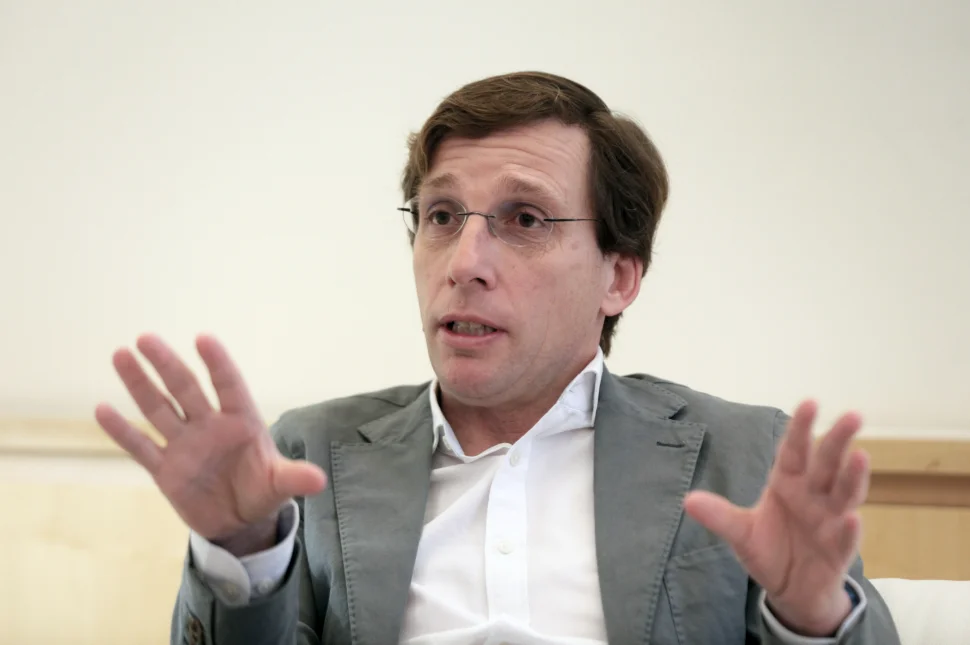
Responding to criticism, Madrid mayor José Luis Martínez-Almeida firmly denied any connection between blocking the Moroccan fair in Madrid and tensions around the Ceuta migration situation.
He says the move is part of a broader effort to reorganise outdoor markets in the city centre. According to the mayor, Madrid wants tighter control over how public space is used, especially during busy periods such as Christmas.
Under the new approach, no association can set up a market without a formal agreement with City Hall. The municipality insists this rule is general and that the Moroccan association and its artisans are not being singled out.
Concerns for organisers and Moroccans passing through Spain
The Hispano-Arab Association, led by Rachid El Ismaili, has been behind the fair for many years. It stresses that the event helps promote fair trade and cultural exchange between Morocco and Spain.
For Moroccans living in Spain or travelling through, the this case has also been a concrete way to reconnect with home: buying products from the country, meeting artisans from different regions and sharing Moroccan food in a central European capital.
The organisers say they are not asking for any special privilege. They simply want the same criteria applied to all initiatives and question why their fair was rejected while a nearby Spanish artisans’ fair was authorised.
Looking for a solution through a formal agreement
After the mayor’s comments, the association publicly acknowledged the city’s authority over public space. At the same time, it called for institutional cooperation to secure the future of the event.
Its proposal is straightforward: sign a clear convention with City Hall. Such an agreement would allow “Le Maroc entre les cultures” to continue in a transparent legal framework, give visibility to Moroccan artisans and reassure visitors.
For Moroccans abroad who often travel via Madrid, what happens to this kind of cultural fair matters. These events shape how Morocco is seen, but they also offer a simple way to support artisans directly during trips or stopovers.
For now, the 2024 edition remains uncertain. Moroccans in Europe who follow cultural ties between both shores will be watching whether the city and the organisers can reach a lasting solution.
- The “Le Maroc entre les cultures” fair is currently on hold.
- City Hall says it is applying a general reorganisation of markets.
- The association is pushing for a formal agreement to secure the event.
Practical tip: staying informed from abroad
To keep track of this case and other issues linked to travel, paperwork and staying connected to Morocco, you can consult Canal212’s guide to key procedures for Moroccans living abroad.
For more context, readers can follow Canal212 news for Moroccans abroad.
For official updates, readers can check the relevant official source.
Don’t miss out on the latest news from the diaspora!
Sign up for our next newsletter to receive our practical guides, advice (on procedures and investment) and the latest news for French nationals living abroad, delivered straight to your inbox.