


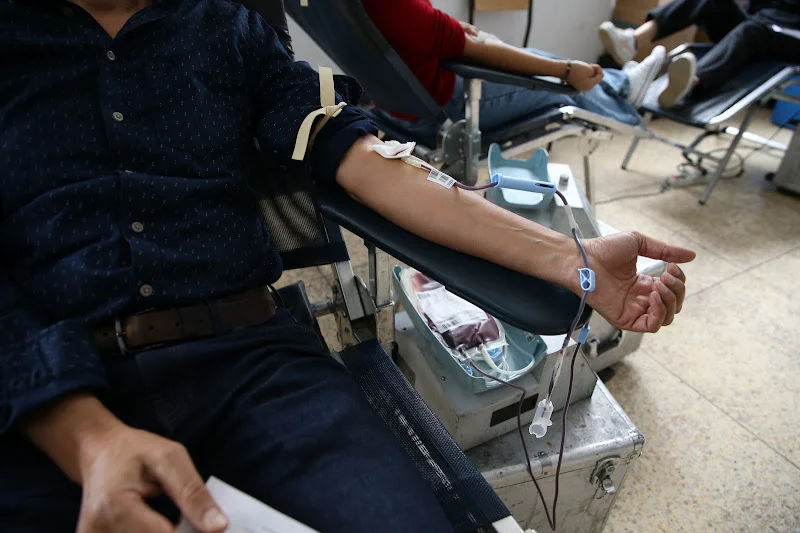
This update focuses on Moroccan blood agency nurses. More than a year after their transfer to the Moroccan Blood Agency, nurses and technicians are sounding the alarm over how blood transfusion centres are run, a concern that also matters to Moroccans living abroad who rely on the system for their relatives back home.
Moroccan blood agency nurses say reform went off track
The National Coordination of Nurses and Health Technicians, affiliated with the Independent Union of Nurses and Health Technicians, has issued a stark assessment of the situation. In a statement dated 7 September 2026, it speaks of “serious setbacks” in sector management.
According to the coordination, integrating staff into the new agency was supposed to modernise Morocco’s national transfusion system. It was meant to clarify governance, define missions and upgrade the quality of service for blood donors and patients.
In the union’s view, the reality is very different. It describes a deterioration in management practices across several regional centres, with possible consequences for how blood collection and daily operations are organised.
Abuse of authority and blurred responsibilities
The statement denounces what it calls “abusive practices in the exercise of authority” by some regional and provincial officials. The coordination describes a climate of confusion and arbitrariness inside several centres.
It highlights in particular:
- the absence of a clear organisational structure;
- overlapping responsibilities with no legal or regulatory basis;
- the lack of formal job descriptions and mission statements.
For Moroccan blood agency nurses and technicians, this lack of clarity opens the door to unilateral decisions and weak oversight of transfusion centres. They argue that it undermines the safety and reliability of the transfusion chain, from blood drives to the distribution of blood products.
Undermined skills and concerns over Law 11.22
The coordination says several situations infringe on the legally recognised skills of nurses and health technicians. It refers to cases where they are reportedly asked to perform tasks that fall under other health professions, including some medical examinations that must precede a blood donation.
Unclear roles, the union warns, can affect procedure safety and the recognition of qualifications. It also feeds a feeling of downgrading among staff who were transferred to the new agency.
The coordination further accuses the administration of failing to respect parts of Law No. 11.22, which governs the status of transferred civil servants. It insists in particular on Articles 18 and 19, which are supposed to guarantee existing rights and benefits.
Why this matters for Moroccans abroad
The union body says it has sent several letters to the agency’s central management, including its director, to report irregularities observed in certain centres. These alerts have not led to satisfactory answers so far, according to the statement.
For Moroccans living abroad, these internal tensions are not just an institutional debate. Many members of the diaspora take part in or support blood donation campaigns during their visits to Morocco, and worry about blood availability in case of emergencies affecting relatives in the country.
Clear governance of the Moroccan blood agency, transparent responsibilities and respect for professional skills are essential to guarantee a reliable service. Before joining local blood drives or setting up solidarity initiatives, it remains useful to check up-to-date information on the official government portal and the health authorities’ channels.
The main demands of nurses and technicians
Faced with what it describes as “serious setbacks”, the coordination has put forward several demands. Among them:
- an end to abuse of authority and arbitrary management;
- strict respect for the prerogatives of nurses and health technicians;
- full implementation of Law No. 11.22 on transferred staff;
- a clear organisational chart with detailed job descriptions.
Moroccan blood agency nurses say they want the reform to return to its original goals: strengthening transfusion safety and improving services for all citizens, including families of Moroccans abroad who remain dependent on the public health system in Morocco.
For more context, readers can follow Canal212 news for Moroccans abroad.
Don’t miss out on the latest news from the diaspora!
Sign up for our next newsletter to receive our practical guides, advice (on procedures and investment) and the latest news for French nationals living abroad, delivered straight to your inbox.