


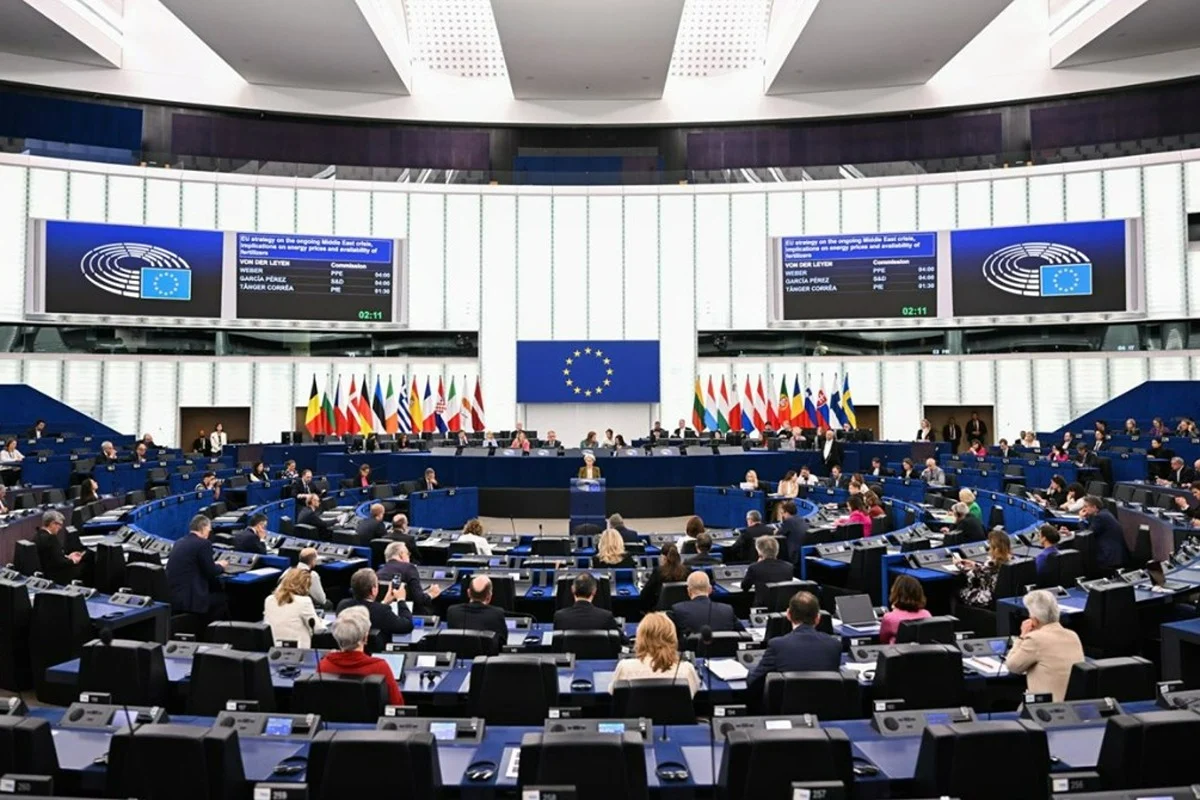
The Sebta crisis has moved onto the European stage, a political shift that could indirectly shape mobility between Morocco and the European Union for Moroccans living abroad.
Sebta crisis: from a bilateral issue to an EU matter
The July Sebta crisis is no longer treated as a simple Morocco–Spain dispute. Within weeks, the European Commission, the Council of the EU and the European Parliament all took up the file.
For years, tensions around the enclave were mainly managed in direct talks between Rabat and Madrid. The summer events changed that scale. Security, border management and migration policy now place Brussels at the center of the discussion.
For Moroccans abroad, this does not mean Europe is closing its doors. But it does mean that decisions affecting this border can increasingly be shaped by three players at once: Rabat, Madrid and Brussels.
How the European Union reacted to the Sebta crisis
From the first days of the this case, EU institutions moved quickly. On 4 August, EU interior ministers held a meeting focused on the events in the enclave.
The European Commission and the European External Action Service presented their assessment of the situation. They stressed two priorities: protecting the EU’s external borders and ensuring a coordinated response among member states.
Brussels announced that it was in contact with both Madrid and Rabat. It offered financial and operational support, including through Frontex, the agency tasked with helping control the Union’s external borders.
The political signal is clear: Sebta is no longer seen only as a Spanish concern, but as a sensitive point on the EU’s southern frontier.
What it could mean for your trips
So far, there have been no official announcements linking the this issue to specific changes for flights, ferries or standard entry procedures into the Schengen area. Air and sea links remain mainly driven by airline and ferry schedules, and by broader health or security decisions.
However, this new EU level of involvement could, in the medium term, influence:
- border checks, particularly for land crossings around Sebta;
- police and migration cooperation between Morocco, Spain and the EU;
- some visa policies and filtering of irregular migration flows;
- talks on return and readmission arrangements.
For Moroccans abroad who travel regularly with a valid passport, visa or residence permit, the impact is, at this stage, limited and indirect. The core of the debate in Brussels focuses on how to manage irregular arrivals and strengthen control over that section of the border.
Practical tips for Moroccans living abroad
In this evolving context, a few habits can help Moroccans abroad planning a return to Morocco or a trip to Europe:
- always check the entry conditions in your EU destination country before booking;
- monitor updates from your airline or ferry operator;
- regularly consult official websites (carriers, consular services, EU institutions) if tensions rise again;
- when possible, keep some flexibility in your travel dates and routes.
For combined road-and-sea journeys through northern Morocco, close attention to the situation around Sebta remains advisable, even if key decisions are increasingly made in Brussels.
If you are unsure about an itinerary or connection, it is safer to rely on official transport sources such as airlines, ferry companies or specialized guidance for Moroccans abroad, to anticipate any potential change in time.
For more context, readers can follow Canal212 news for Moroccans abroad.
For official updates, readers can check the relevant official source.
Don’t miss out on the latest news from the diaspora!
Sign up for our next newsletter to receive our practical guides, advice (on procedures and investment) and the latest news for French nationals living abroad, delivered straight to your inbox.