


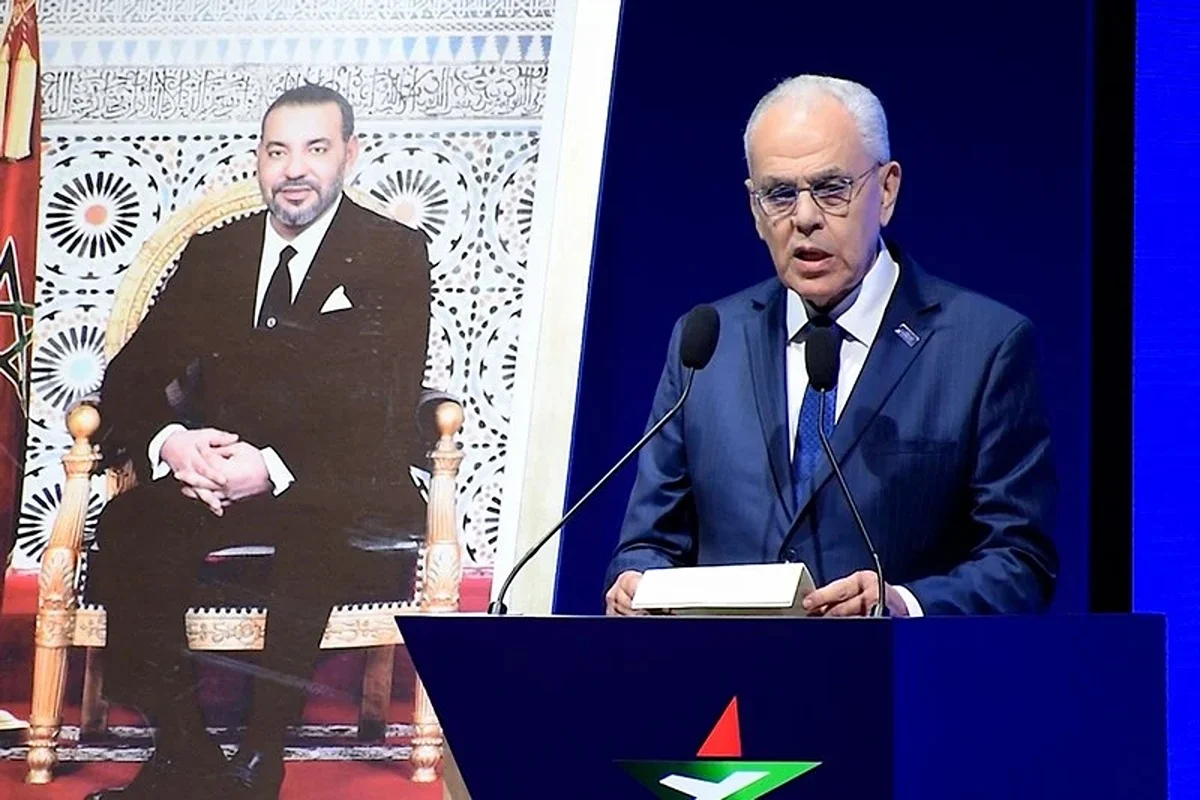
In Rabat, the Morocco CyberSecurity Week opened with a clear message: cybersecurity is no longer a luxury but a strategic necessity for Morocco and for everyone who interacts remotely with its services.
Morocco CyberSecurity Week sends a strong signal from Rabat
At the launch of the Morocco CyberSecurity Week, Minister Delegate in charge of the National Defense Administration Abdeltif Loudyi underlined the urgency of anticipating digital threats.
He stressed that securing information systems and strengthening their resilience are now imposed by deep digital changes. This is no longer a technical add‑on, but a pillar of modern governance.
Organised by the General Directorate of Information Systems Security (DGSSI), the national week is held under the theme “Cybersecurity in the service of digital transformation and development”.
A forum on risks and digital resilience
The Morocco CyberSecurity Week is designed as a platform for dialogue between public institutions, companies and experts. The goal is to share experience, compare approaches and build common responses to cyberattacks.
Loudyi recalled that cyberattacks are no longer theoretical scenarios reserved for specialised conferences. They now hit all countries, including the most developed, and cause very tangible damage.
These incidents have nonetheless helped speed up awareness in both the public and private sectors of how central cybersecurity has become to overall risk management.
What this means for Morocco’s online services
For Moroccans living abroad who remain connected to the country, the stakes are concrete. Online administrative procedures, file tracking, money transfers, investments and remote registrations all depend on the reliability of Moroccan public and banking platforms.
Loudyi said today’s challenges require a clear national strategy. This strategy should:
- set priorities for cybersecurity,
- define key technical and organisational directions,
- ensure coordination between public actors,
- reinforce the resilience of critical infrastructure.
This coordinated effort aims to build a coherent national system capable of protecting data, online services and, ultimately, user trust, including that of citizens who connect from abroad.
Towards collective digital resilience
The minister insisted that cyberthreats are constantly evolving. Attackers keep innovating, forcing states, businesses and citizens to adjust continuously.
Efforts already underway form the pillars of a national framework that relies on complementary roles: public authorities, essential service operators, the private sector and the wider cybersecurity ecosystem.
According to Loudyi, this complementarity is what allows the Kingdom to build “collective resilience”. That resilience will determine the success of the digital transition, a top national priority and a lever for socio‑economic development.
For Moroccans abroad, this dynamic should gradually translate into more stable, better protected and more reliable online services, whether for administrative procedures, investment projects or preparing a possible return to Morocco. At the same time, they are encouraged to adopt good cybersecurity habits to secure their own access to Moroccan platforms.
Detailed information on online public services remains available through the official portals of the relevant administrations, including sections dedicated to Moroccans living overseas.
For more context, readers can follow Canal212 news for Moroccans abroad.
For official updates, readers can check the relevant official source.
Don’t miss out on the latest news from the diaspora!
Sign up for our next newsletter to receive our practical guides, advice (on procedures and investment) and the latest news for French nationals living abroad, delivered straight to your inbox.