


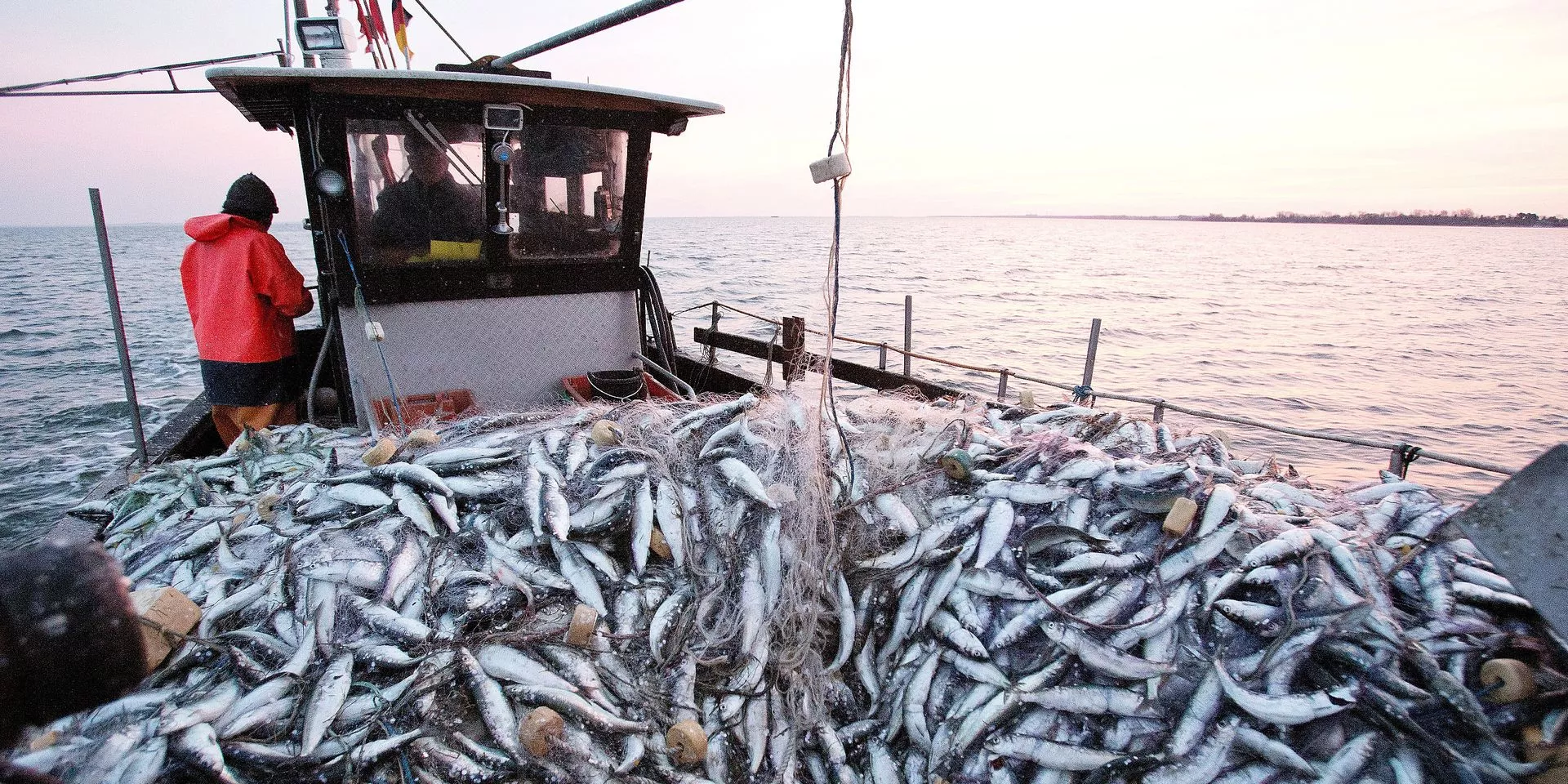
This update focuses on Morocco sardines virus. Moroccan authorities have moved to calm concerns after reports of a virus affecting sardines in South Africa, stressing that the species fished in Morocco is not affected.
Morocco sardines virus clarification: two different species
The State Secretariat in charge of Maritime Fisheries, working with the National Institute of Fisheries Research (INRH), explained that the Pilchard herpesvirus (PHV) detected in South Africa does not concern the sardine species exploited in Morocco.
The mortality events reported in South Africa involve the South African pilchard, Sardinops sagax, which lives in the Benguela current system.
In Morocco, sardines sold and eaten are a different species: the European sardine, Sardina pilchardus, found in the Canary Current ecosystem and in the Mediterranean.
From a scientific point of view, the presence of PHV in Sardinops sagax does not mean it is present in Sardina pilchardus. According to the official statement, this virus has never been detected in Moroccan sardines.
A fish-specific virus with no impact on human health
Experts also underline that Pilchard herpesvirus is strictly specific to fish.
It is not transmissible to humans and is therefore not considered a zoonotic agent.
Based on current scientific knowledge, PHV does not pose any risk to human health or to the consumption of seafood products.
Available data further indicate that the mere presence of the virus is not enough to trigger mass fish deaths. Its clinical expression depends on several factors, including environmental conditions and stress on sardine stocks.
What this means for Moroccans living abroad
For Moroccans residing abroad, this clarification answers questions that have emerged after news broke from South Africa.
- Sardines served in Morocco in restaurants, family homes or markets come from the species Sardina pilchardus, which has not been affected by PHV.
- Canned and processed sardine products of Moroccan origin, whether bought in Europe or elsewhere, are not impacted by this virus.
- No health risk has been identified for trips to Morocco or summer stays where sardines are a staple on the table.
This is particularly relevant for those planning to return for holidays, investing in restaurants or food processing, or following the development of Morocco’s fisheries sector.
The authorities say they will maintain strict scientific monitoring of fish stocks. Moroccans abroad who want to double-check official information can consult statements from the competent bodies, including via the national press agency and institutions responsible for fisheries and marine research.
A key sector under close watch
Sardines remain a symbol of Moroccan cuisine and a pillar of the country’s seafood exports.
By responding quickly to questions around the “Morocco sardines virus” issue linked to South Africa, the authorities aim to prevent rumours and protect consumer confidence at home and among the diaspora.
For Moroccan families in the country and abroad, the message is clear: Moroccan sardines remain safe to eat, and health controls are in place throughout the value chain.
For more context, readers can follow Canal212 news for Moroccans abroad.
For official updates, readers can check the relevant official source.
Don’t miss out on the latest news from the diaspora!
Sign up for our next newsletter to receive our practical guides, advice (on procedures and investment) and the latest news for French nationals living abroad, delivered straight to your inbox.