


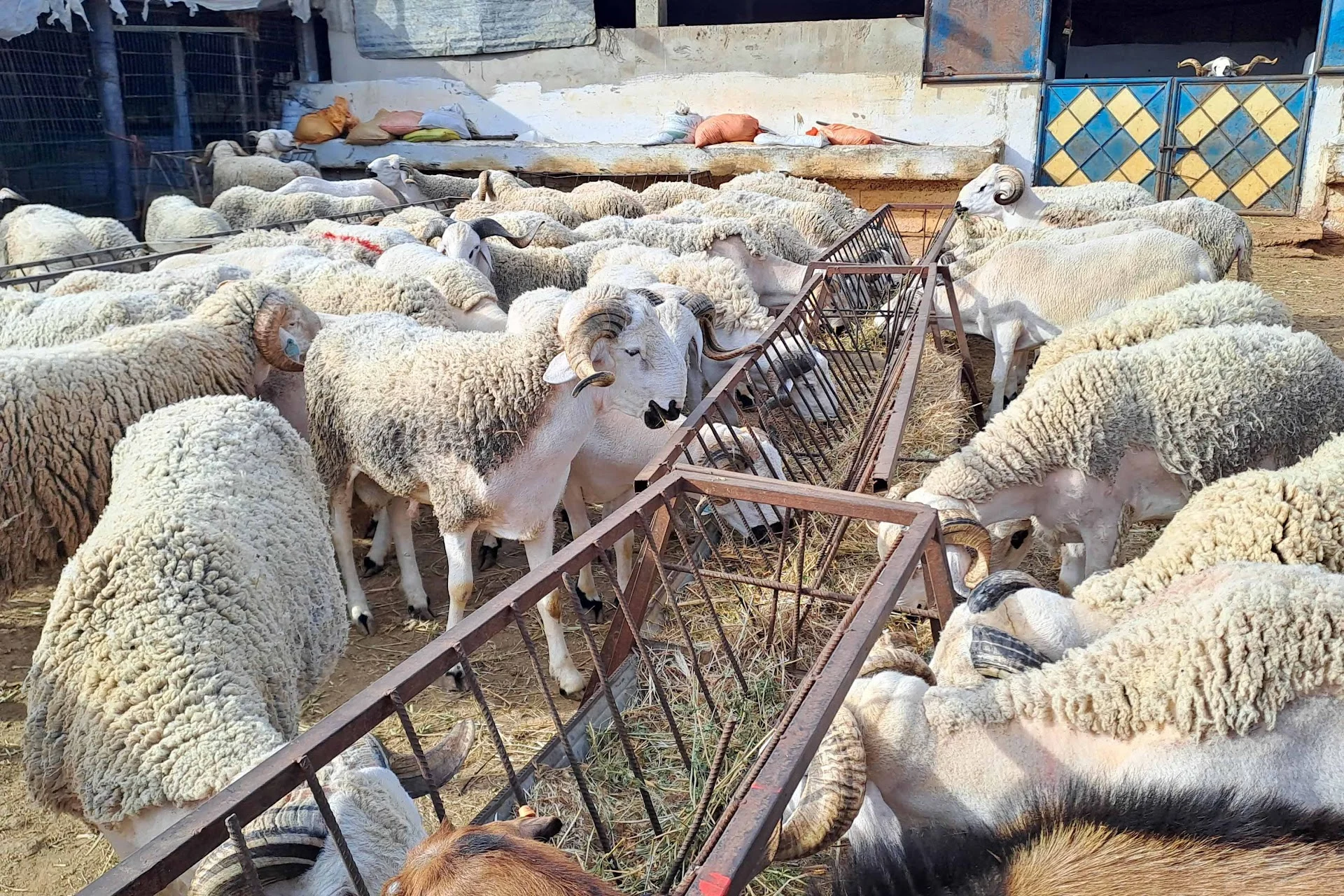
In Morocco, the price of sheep meat Morocco remains stubbornly high, with retail prices above 150 dirhams per kilo despite the recent resumption of sheep imports from Spain and other European countries.
sheep meat Morocco: what to know
Many observers expected a clear drop in prices once foreign sheep could again enter the Moroccan market. Yet sheep meat Morocco has not become cheaper on butcher stalls, where prices still exceed 150 dirhams per kilo. For families, including Moroccans living abroad who return home for a few weeks, this makes everyday meals significantly more expensive.
Professionals in the sector say the reopening of imports has had “no effect” on local prices. Families planning summer holidays or extended stays in Morocco therefore need to factor a higher food bill into their travel budget.
Imports from Spain: volumes too low to move the market
According to Hicham El Jouabri, regional secretary of wholesale red meat traders, the restart of sheep imports from Spain and Europe has not changed the price equation so far.
He explains that the volume of imports remains “very low”. The main reason is the relatively high cost at which meat arrives in Morocco from Spain, on top of value-added tax charged by the state. Under these conditions, there is little room to cut prices on the domestic market.
El Jouabri notes that imported sheep meat from Spain costs around 62 to 63 dirhams per kilo at the upstream stage, almost the same as local supply. In major slaughterhouses, the meat is then sold at about 130 dirhams per kilo, leading to retail prices above 150 dirhams for end consumers.
Too little price difference to attract importers
Another key factor is that imported sheep are priced very close to local animals, with a difference of only one or two dirhams per kilo. For Moroccan importers, that gap is not enough to cover logistical costs and business risks linked to importing livestock.
In this context, many Moroccan operators believe Spanish suppliers need to lower their prices if they want to have a real impact on price levels in Morocco.
Without such an adjustment, the market remains dominated by domestic supply, itself affected by rising production costs and solid demand, especially ahead of peak consumption periods.
What it means for Moroccans abroad visiting home
For Moroccans living abroad who are planning a trip home, the current situation means their food budget must reflect the persistence of high prices, particularly for sheep meat Morocco.
In practice, this affects families who:
- plan long stays with children and relatives;
- want to host large family meals or celebrations;
- return during periods of higher meat consumption.
The lack of any immediate price drop also reduces the incentive for some visitors to stock up on sheep meat during their holidays, compared with prices in their country of residence.
So far, there has been no official announcement of new measures that could quickly bring prices down. Authorities are nonetheless watching this sensitive file in a broader context of pressure on households’ purchasing power.
Until there is a clearer policy shift, households in Morocco and those visiting from abroad will need to adjust their consumption habits, sometimes by choosing other types of meat or reducing how often they serve lamb and mutton dishes during their stay.
For more context, readers can follow Canal212 news for Moroccans abroad.
For official updates, readers can check the relevant official source.
Don’t miss out on the latest news from the diaspora!
Sign up for our next newsletter to receive our practical guides, advice (on procedures and investment) and the latest news for French nationals living abroad, delivered straight to your inbox.