

This update focuses on Kazakhstan grain Morocco. Kazakhstan plans to use a Moroccan port as a logistics base for its grain exports to Africa, strengthening Morocco’s role as a regional hub and drawing attention from Moroccans living abroad who closely watch the country’s economic attractiveness.
Kazakhstan grain Morocco deal already signed
In a recent interview, Morocco’s ambassador to Kazakhstan revealed that an agreement was signed nearly two years ago between Rabat and Astana.
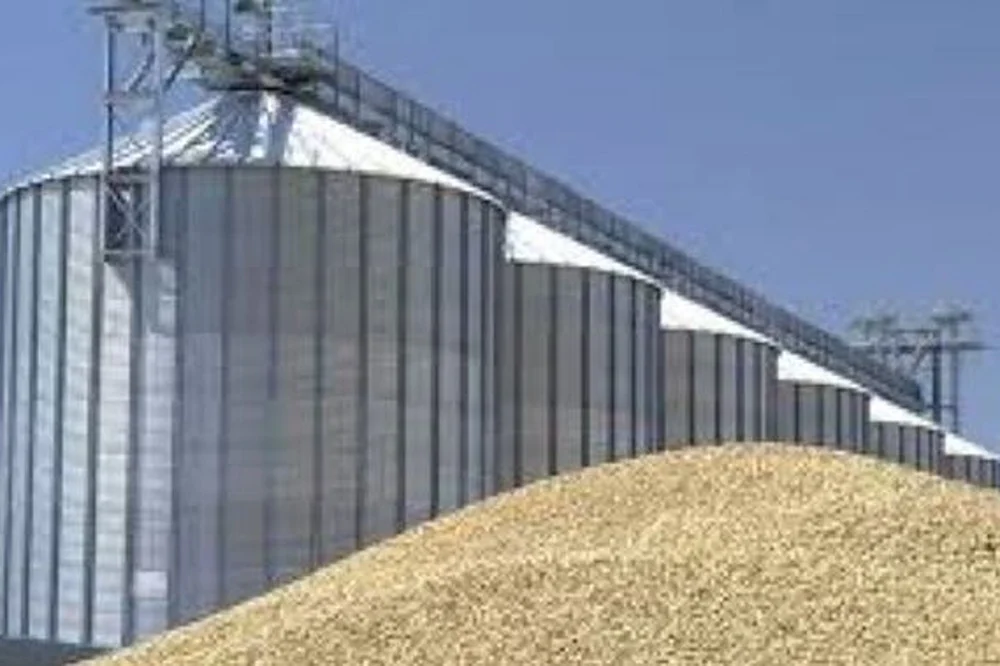
The deal provides for the creation of a “significant grain stock” in one of Morocco’s ports, managed by the Kazakh side.
In practice, Kazakhstan grain Morocco flows would increase, with larger volumes shipped to the Kingdom, stored on site, then re-exported to other African markets.
The port has not been officially identified, and no figures have been released on storage capacity or a start-up timetable. For now, only the principle of the agreement and its African orientation are public.
Morocco presented as a strategic African hub
For Astana, the interest lies in Morocco’s geographic position, port infrastructure and industrial base.
In his interview, the diplomat describes the Kingdom as a “geostrategic hub” in Africa, able to connect several markets across the continent.
The Kazakhstan grain Morocco project comes as trade between the two countries is gaining momentum. Morocco imported Kazakh wheat for the first time last year, through two shipments of around 30,000 tonnes each for the domestic market.
This new step goes beyond a classic buyer–seller relationship, turning Moroccan territory into a regional platform for a third country.
Food security and Morocco’s image for investors
The war in Ukraine has disrupted several traditional grain trade routes and highlighted the need to diversify suppliers.
For Morocco, this project can matter in several ways:
- it reinforces its role as a logistics hub in Africa, with a positive image effect for investors;
- it could diversify potential grain origins for the domestic market, even if the system mainly targets African exports;
- it attracts new flows and services around storage, transport and insurance.
For Moroccans abroad who are considering investing back home, this confirms a clear trend: Moroccan ports are drawing more and more continent-oriented projects.
A project to be detailed, but a signal for overseas Moroccans
Operational aspects remain unclear: no official port location, no figures on investment amounts or partnership duration.
Yet the this case cooperation already sends several signals to overseas Moroccans interested in trade, logistics or agrifood ventures:
- grain corridors are being reshaped, with new players such as Kazakhstan entering the Moroccan map;
- port zones and related services (warehousing, trucking, insurance, consulting) may see stronger demand;
- Morocco’s position as an African platform is reinforced, which can support long-term confidence.
For any financial steps linked to projects in Morocco, from opening accounts to managing transfers, it remains important to consult official institutions’ updates, such as the Kingdom’s central bank on its website.
Practical details of the project should be clarified as it moves forward. In the meantime, it illustrates a strong trend: Morocco is positioning itself as an interface between new global producers and African markets, a key element for Moroccans abroad when they think about savings, investment or a possible return.
For more context, readers can follow Canal212 news for Moroccans abroad.
Don’t miss out on the latest news from the diaspora!
Sign up for our next newsletter to receive our practical guides, advice (on procedures and investment) and the latest news for French nationals living abroad, delivered straight to your inbox.