


In Spain, the Vox far-right party is calling for the suspension of the friendship treaty between Spain and Morocco, adding new pressure to already sensitive political ties. For Moroccans living abroad, the key question is simple: does this change anything, right now, for their trips home and their paperwork?
What Vox is demanding in relation to Morocco
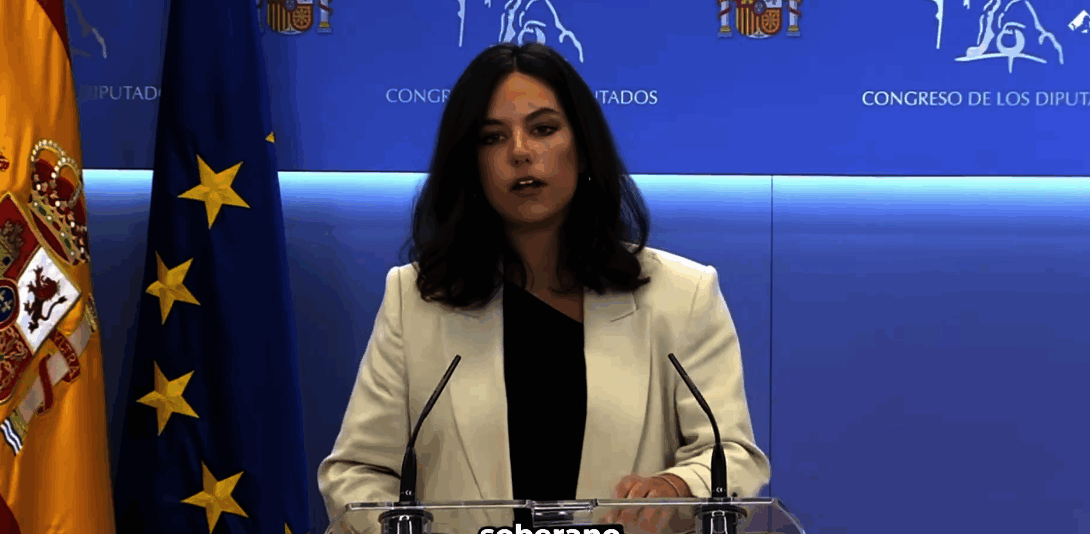
The Vox far-right party has stepped up its offensive against Rabat. Its spokesperson in Congress, Pepa Millán, has submitted a parliamentary proposal to suspend the 1991 Treaty of Friendship, Good Neighbourliness and Cooperation that frames relations between Spain and Morocco.
The same initiative also calls for:
- recalling Spain’s ambassador in Rabat,
- expelling Morocco’s ambassador from Madrid,
- a full review of bilateral relations, in the name of Spanish sovereignty and territorial integrity.
Pepa Millán accuses Morocco of “claiming our territory” on the basis of what she calls a “totally fallacious” argument, and says successive Spanish governments have given in “silently and progressively” over the last fifty years.
Vox far-right party: political pressure, not state policy
At this stage, this is a parliamentary move by an opposition party, not a binding decision by the Spanish state. The government in Madrid has not announced:
- any actual suspension of the friendship treaty,
- changes to the status of embassies,
- or new rules affecting travel between the two countries.
In other words, the initiative from the Vox far-right party remains part of Spain’s domestic political debate. It can influence the general climate, but on its own it does not alter travel or residency conditions for now.
Flights, ferries and bookings: what changes for Moroccans abroad?
For Moroccans in Europe, especially those who transit through Spain to reach Morocco, the concern is practical: should they worry about upcoming crossings and flights?
So far:
- no border closure has been announced by either Morocco or Spain,
- no new visa restrictions have been officially linked to this Vox proposal,
- air and sea connections are operating as usual, aside from the normal schedule changes by carriers.
To track flights, schedules and any travel advisories, it remains wise to check official channels from airlines and authorities, such as the national carrier via Royal Air Maroc.
Border crossings, Ceuta, Melilla: what to keep an eye on
Morocco–Spain relations regularly go through tense periods, often linked to Ceuta, Melilla or migration. Every political flare-up in Spain can bring these issues back to the surface.
For Moroccans abroad who:
- drive through Spain during Operation Marhaba or summer holidays,
- rely on Spanish ports to reach Tangier Med or Nador,
- use Madrid or Barcelona as transit hubs for flights,
the real issue is to follow official decisions made by the two governments, beyond partisan statements. If a genuine diplomatic crisis erupts, tighter controls, delays or changes in transport options can appear, as previous episodes have shown.
Staying informed without overreacting
For now, this latest move by Vox does not alter the legal framework for travel between Morocco and Spain. It does, however, confirm that the political context remains fragile and could shift quickly.
For Moroccans living abroad, a few practical habits help:
- double-check bookings before departure and sign up for airline alerts,
- monitor official travel advisories from Moroccan and Spanish authorities,
- allow extra time when transiting through Spain, where possible.
If the situation escalates into concrete decisions affecting mobility, Moroccans abroad will need to adjust routes and plans. Until then, the Vox initiative is a political signal to watch, not yet a change of rules for their journeys back home.
For more context, readers can follow Canal212 news for Moroccans abroad.
Don’t miss out on the latest news from the diaspora!
Sign up for our next newsletter to receive our practical guides, advice (on procedures and investment) and the latest news for French nationals living abroad, delivered straight to your inbox.