

This update focuses on Tanger Med Misrata corridor. A new direct sea route now connects Misrata’s free zone in Libya to key West African markets, using Morocco’s Tanger Med as its main transshipment hub.
Tanger Med Misrata corridor reshapes regional trade flows
The Libyan Export Development Authority, under the Council of Ministers, officially launched the service on Monday 14 September 2026. The new line links the port of Misrata’s free zone to several West African destinations, including Nigeria and Cameroon.
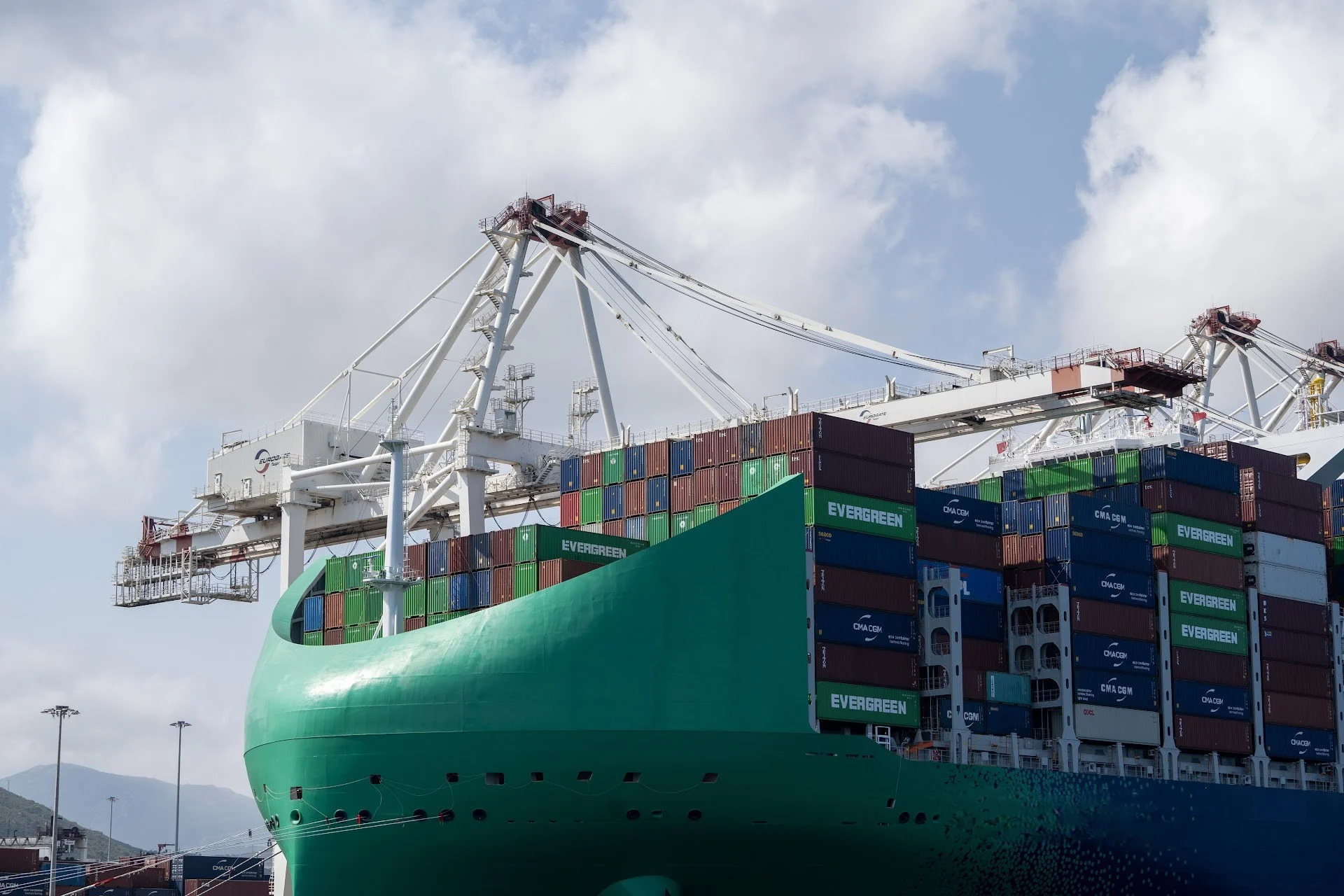
At the heart of the scheme, the Tanger Med Misrata corridor turns the Moroccan complex into a pivotal redistribution point. Cargo from Libya will be consolidated at Tanger Med before being shipped onward to West African ports.
The project aims to cut freight costs for local operators, shorten delivery times and offer more predictable outlets for Libyan non-oil exports.
Libya seeks diversification, Morocco strengthens its hub role
This new maritime axis comes just after Tripoli lifted its ban on exporting Libyan agricultural products. The authorities want to encourage farmers and private investors to target African markets while upgrading to international quality and packaging standards.
The move follows repeated warnings from the Central Bank of Libya about the risks of an economy dominated by crude oil. Between 2022 and 2025, over 69% of Libyan exports – almost entirely crude – went to the European Union, while sales to the rest of Africa remained limited.
At the same time, Libya imports more than 85% of its consumption needs, industrial equipment and manufactured inputs, with Asia as its main supplier. Diversifying trade through the Tanger Med Misrata corridor offers a way to test a less one-sided model, both in terms of partners and products.
For Morocco, each additional maritime line passing through Tanger Med reinforces the port’s position as a major hub for intercontinental flows and supports the surrounding ecosystem of transport, logistics and maritime services.
What does this mean for Moroccans living abroad?
For Moroccans living abroad who are involved in trade, shipping or investment, the this case opens new avenues, even if it does not change travel procedures or consular services.
- Potential partnerships with Libyan exporters targeting West African markets.
- Using Tanger Med as a logistics base for flows between Libya, West Africa and Europe.
- Growing demand for warehousing, freight forwarding and cold-chain services around the port.
Moroccan investors abroad already active near Tanger Med or in adjacent industrial zones may want to track how quickly volumes grow on this line. Extra cargo could, over time, support more business for port services, insurance, and value-added logistics in northern Morocco.
However, no changes have been announced for customs rules applying to individuals or for border controls in Morocco. For now, the corridor is strictly an instrument of state-to-state trade and Libyan economic diversification.
Impact to be confirmed under the eye of financial institutions
The real impact of the this issue will depend on the regularity of sailings, regional security and the capacity of Libyan companies to diversify their export base.
Financial institutions in both countries are watching the development closely, given the risks linked to oil dependence and political instability. For Moroccans abroad considering logistics or industrial investments in Morocco, the project is another signal of Tanger Med’s central role in Africa–Mediterranean trade.
Before committing capital, it remains prudent to cross-check information with data from central banks and port authorities. If the corridor delivers on its promises, it could further consolidate Morocco’s position as a trusted regional platform and provide the diaspora with an even stronger base for expanding across the continent.
For more context, readers can follow Canal212 news for Moroccans abroad.
For official updates, readers can check the relevant official source.
Don’t miss out on the latest news from the diaspora!
Sign up for our next newsletter to receive our practical guides, advice (on procedures and investment) and the latest news for French nationals living abroad, delivered straight to your inbox.