


This update focuses on Moroccan minor expulsion Ceuta. The contested removal of a 16-year-old Moroccan from Ceuta to Morocco has put Spanish border practices under scrutiny and raised concerns about how young Moroccans are treated at the frontier.
Moroccan minor expulsion Ceuta: what happened?
According to several media reports, a Moroccan teenager identified as “Ahmed”, aged 16, was removed from Ceuta to Morocco during the night of 10 to 11 September.
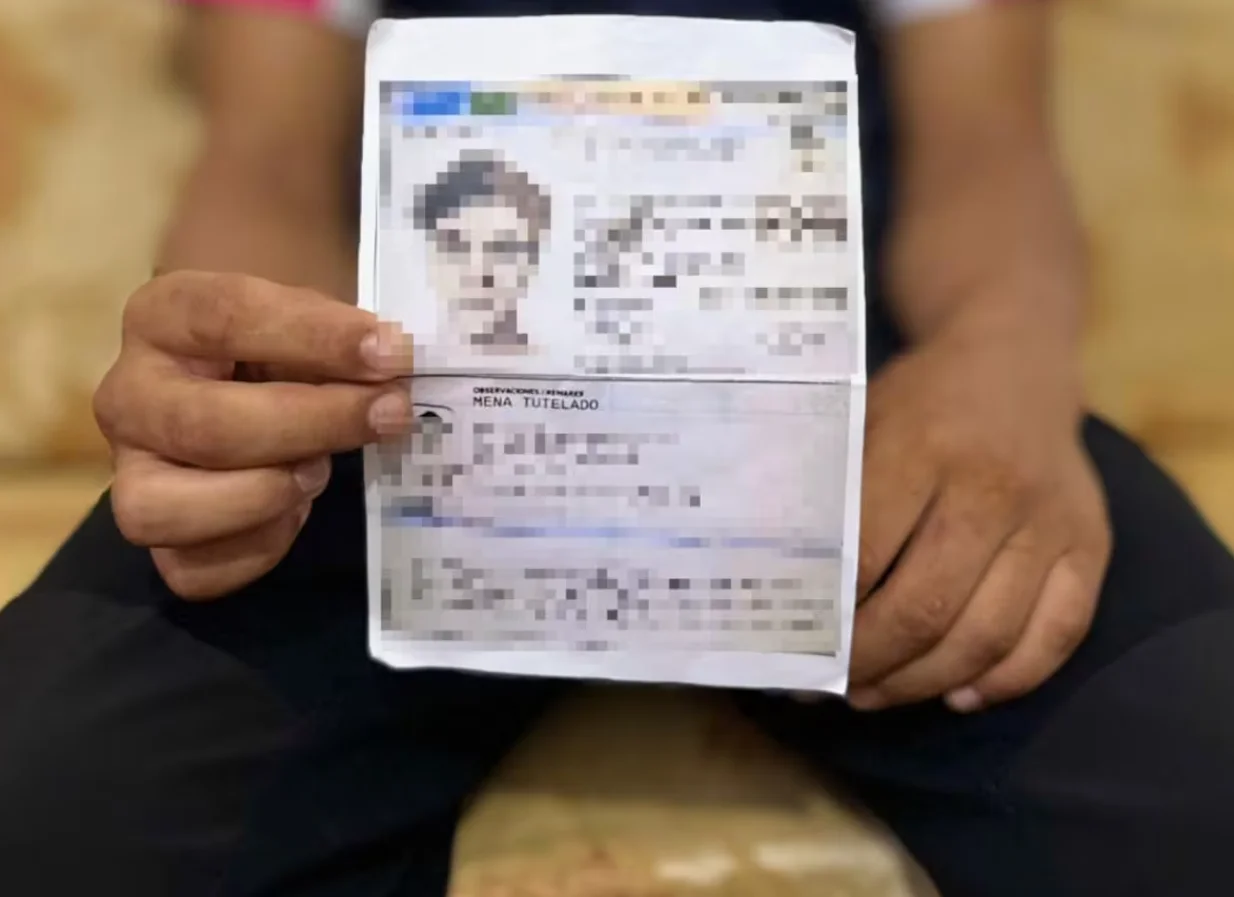
The boy had been living in Ceuta since December 2024. He was under the care of the city’s child protection services and held residence documents in Spain.
Based on his account, he was first stopped by seven soldiers at the port of Ceuta, then handed over to the Guardia Civil, which allegedly took him to the Tarajal border crossing on the Spanish side before he was sent across to Morocco.
A child under protection, yet sent back to Morocco
The case is described as unprecedented by the Spanish NGO Fundación Raíces, which defends the rights of migrant children. The organisation stresses that Ahmed was already under official protection by Ceuta’s authorities.
The teenager says he clearly told both the soldiers and the Guardia Civil officers that he was a minor and under protection. He also says he asked them to contact his shelter so they could confirm his situation, but that this request was ignored.
In his testimony, he alleges that he was hit on the head and back before being taken to the border. The legal complaint further states that, once across into Morocco, he was forced along and then handcuffed by a Moroccan soldier.
Legal action and investigation in Spain
Fundación Raíces has filed a complaint before the administrative court in Ceuta. It is asking for the immediate return of the boy to Spain, arguing that the removal did not comply with the specific legal safeguards that apply to children.
The NGO says Ahmed was never officially notified of any expulsion decision, even though he was part of the city’s child protection system and held Spanish residence documents.
To support its case, Raíces has requested that the court secure CCTV footage from the port of Ceuta and the Tarajal border crossing, in order to identify the officers involved and verify the teenager’s account. The organisation warns that these recordings may be automatically deleted after 30 days.
Raíces is also asking for the full administrative file related to Ahmed, including guardianship and residence documents issued in Spain.
A case monitored closely in Madrid
As the court process gets underway, Spain’s Minister for Youth and Children, Sira Rego, has publicly voiced concern over any possible violation of a child’s rights.
She said that investigations are in progress in Spain to clarify the circumstances of the expulsion. For now, Spanish authorities have not released detailed conclusions from their initial checks.
What this means for Moroccan families and young travellers
At this stage, the Moroccan minor expulsion in Ceuta does not alter the general rules for regular travel between Morocco and Spain, including for Moroccans living abroad.
However, it does highlight how crucial it is for families to keep the legal status of their children crystal clear, especially when they live in or travel through sensitive border areas.
- Keep all guardianship and residence documents for minors safely stored and easily accessible.
- Get informed about the specific rights of foreign children in the country of residence.
- Seek legal assistance quickly if a child is detained or faces a removal measure.
For Moroccan travellers, including members of the diaspora transiting through Ceuta or other entry points, there have been no new official transport or border rules announced in direct connection with this case.
Still, the way courts deal with the Moroccan minor expulsion Ceuta case could fuel debate in Spain over border practices affecting young Moroccan migrants, whether they are undocumented or, like Ahmed, already integrated into the protection system.
Until the Spanish courts reach a decision, the case stands as a warning for families whose children travel alone or live close to borders, and a reminder of how important it is to assert a child’s legal status and the protections that come with it at every stage.
For more context, readers can follow Canal212 news for Moroccans abroad.
For official updates, readers can check the relevant official source.
Don’t miss out on the latest news from the diaspora!
Sign up for our next newsletter to receive our practical guides, advice (on procedures and investment) and the latest news for French nationals living abroad, delivered straight to your inbox.