

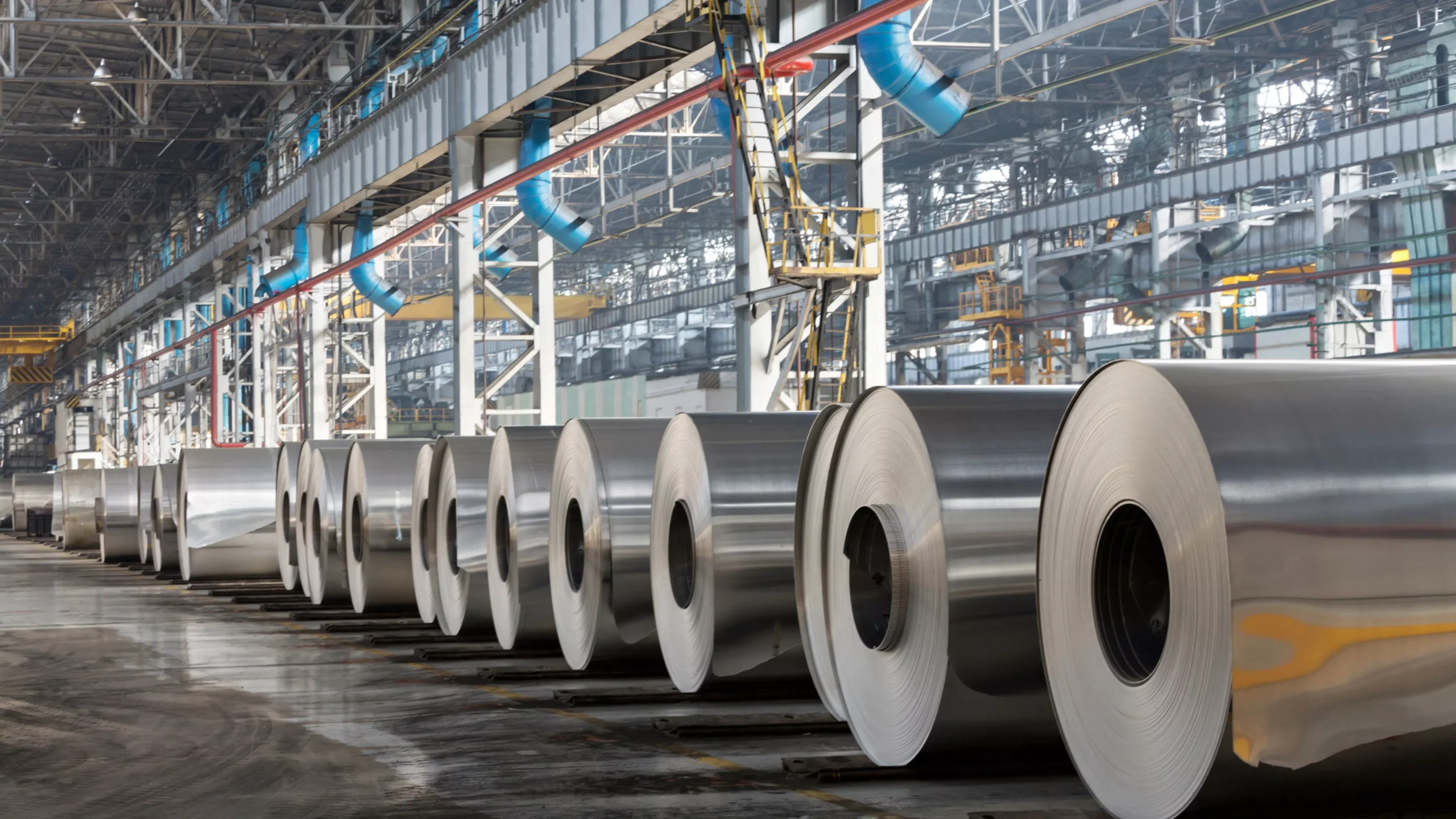
Since June 2025, Morocco Turkey steel imports have been at the heart of a discreet but strategic standoff between Rabat and Ankara, with the World Trade Organization (WTO) quietly in the background.
A technical dispute that won’t go away at the WTO
Turkey has formally raised a “specific trade concern” at the WTO over Moroccan rules applied to imported steel. Ankara is asking for this system to be suspended, arguing that it is too restrictive for its exporters.
Morocco, for its part, says these rules are driven by safety concerns. Rabat insists that strict steel quality control is vital for the reliability of buildings, roads, bridges and large infrastructure projects.
From 11 to 13 November, the WTO Committee on Technical Barriers to Trade in Geneva is expected to examine the case for the fifth time. This committee is where members challenge each other’s technical regulations when they believe they are discriminatory or excessively burdensome.
What Rabat is trying to protect
Beyond the legal language, the dispute touches on several sensitive issues for Morocco. The authorities want to prevent steel considered non-compliant with local standards from entering the domestic market, especially in construction and public works.
The kingdom is also trying to shield its steel industry, already under pressure from global competition. A wave of cheaper but lower quality steel could weaken thousands of direct and indirect jobs.
By invoking safety, Rabat is moving onto ground the WTO takes seriously. At the same time, the organization seeks to ensure that countries do not abuse this argument to shield their markets from fair competition.
Morocco Turkey steel imports: what it means for projects in Morocco
For Moroccans living abroad, this WTO case may sound highly technical. Yet the rules governing Morocco Turkey steel imports can have tangible effects on projects back home.
If Moroccan standards remain strict, several outcomes are possible:
- Better controlled long-term costs for construction thanks to more durable materials.
- Improved safety for buildings, especially housing and rental properties.
- Support for local industry and jobs, a key factor for economic stability.
On the other hand, prolonged tension with a major supplier such as Turkey could, in the short term, push up the price of certain steel products. That could affect private building projects, such as family homes or small apartment blocks financed by Moroccans abroad.
What it changes for Moroccans investing or building
Moroccans overseas who are planning construction, renovation or real estate investments in Morocco should keep an eye on these developments. In the past, rising material prices or delayed steel deliveries have already pushed back completion dates on some projects.
Without alarmism, a few practical steps can help:
- Ask your architect or engineer to confirm compliance with Moroccan norms for all steel products.
- Build a safety margin into your construction budget to anticipate possible price swings.
- Request certificates of conformity when a project uses imported steel.
For larger industrial or logistics projects considered by entrepreneurs in the diaspora, a stable regulatory framework is equally crucial. Clear and predictable rules on Morocco Turkey steel imports can be more valuable than rapid, unpredictable regulatory shifts.
A file to watch beyond Geneva
The upcoming meeting of the WTO Technical Barriers to Trade Committee is unlikely to close the case. Turkey is expected to put the issue back on the table, and Morocco has shown no sign of backing down so far.
This dispute is part of a broader trend: Rabat is increasingly assuming firm regulatory choices, even when that means facing challenges in multilateral forums. That signal matters for anyone preparing a return, an investment or a building project in the country.
For the practical side of your plans, you can consult Canal212’s guide to useful procedures for Moroccans abroad, and follow updated information on travel and connections to Morocco, especially via the Royal Air Maroc website.
For more context, readers can follow Canal212 news for Moroccans abroad.
Don’t miss out on the latest news from the diaspora!
Sign up for our next newsletter to receive our practical guides, advice (on procedures and investment) and the latest news for French nationals living abroad, delivered straight to your inbox.