


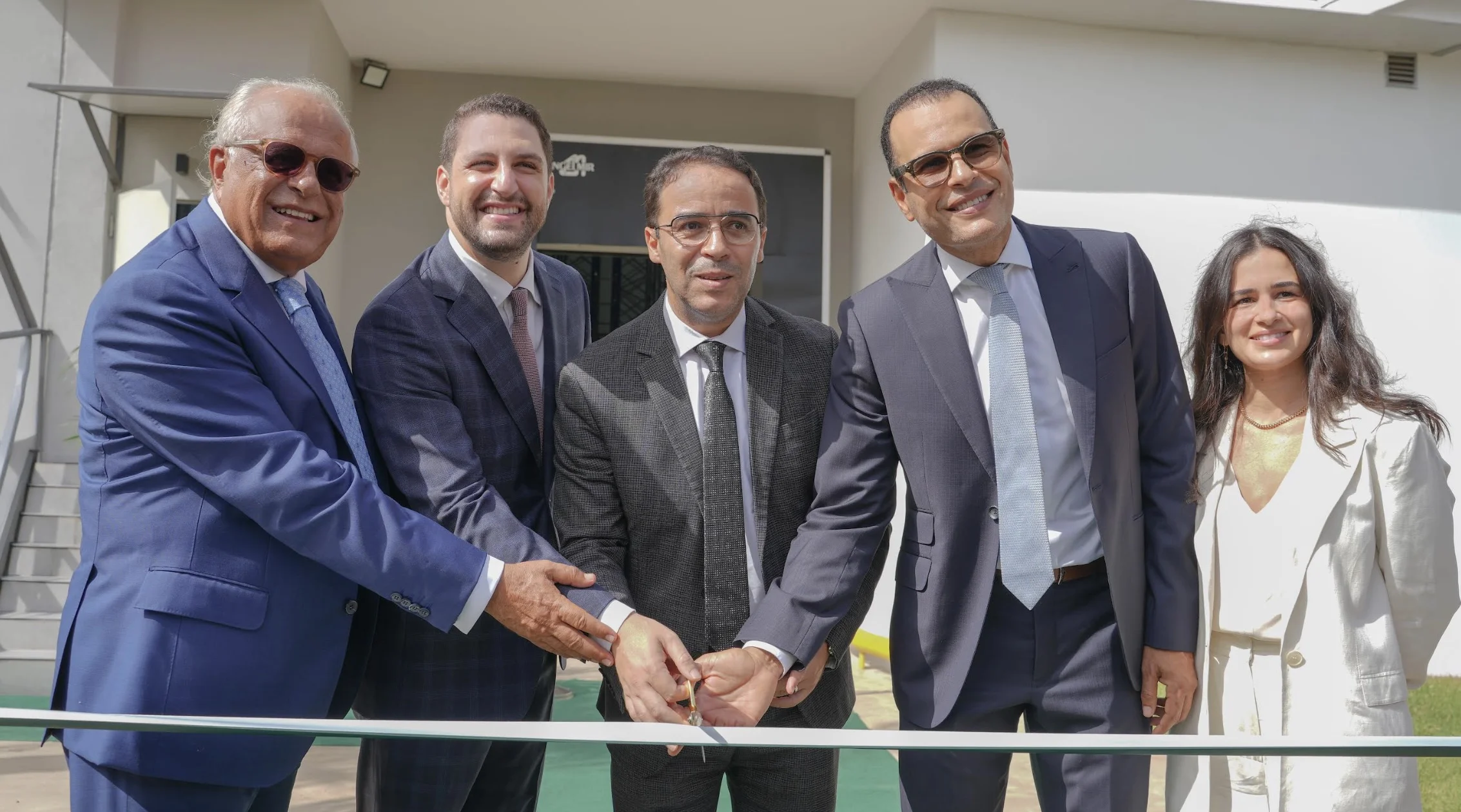
This update focuses on Lasobio industrial unit Casablanca. Moroccan laboratory Lasobio has launched a new industrial unit in Casablanca, a 100 million dirham investment that strengthens the country’s move into higher-value health and cosmetic products.
Lasobio industrial unit Casablanca: an export-oriented site
Inaugurated on 8 September, the new Lasobio factory covers 2,500 square metres in Morocco’s economic capital. It focuses on food supplements, cosmetics and functional drinks.
The site can manufacture products in seven different dosage forms, with a stated capacity of three million units per form. The aim is to operate an industrial tool that meets international standards and can support Lasobio’s export ambitions.
For Moroccans living abroad who look at investment options back home, this type of project shows that the industrial base is moving upmarket, beyond traditional sectors such as automotive or textiles.
Turning Moroccan medicinal plants into higher-value products
The factory includes a plant extraction line dedicated to Moroccan medicinal plants. The idea is to process these raw materials locally, instead of exporting them cheaply and importing expensive finished products later.
A molecular transformation process also enables the production in Morocco of certain dosage forms that were not previously available on the domestic market, including functional drinks and serums. According to the company, ingredients are selected on the basis of clinical studies documenting their effects.
For entrepreneurs in the diaspora active in beauty, wellness or nutrition, this may open the door to more competitive Moroccan brands in European markets, with product stories built around authentic local plants.
A production hub open to brand owners
Beyond its own brands, Lasobio plans to make part of the industrial capacity of its Casablanca site available to other professionals. It aims to position itself as a contract manufacturing partner in three key areas:
- food supplements,
- functional beverages,
- cosmetics based on active ingredients.
This is directly relevant for Moroccan brand owners abroad who manufacture in Europe or North America. Producing in Morocco, under contract, can lower production costs, protect margins and maintain an industrial link with the country of origin, provided regulatory requirements in destination markets are anticipated.
Jobs, timeline and signals for the diaspora
The industrial unit will initially employ around 60 people. By 2030, when the site is fully operational, Lasobio expects to create more than 150 direct jobs and close to 500 indirect jobs.
On the international side, the group’s German brand H3R LAB is expected to be present in more than 1,000 outlets in Germany from January 2027. Exports to the United Kingdom are scheduled to start later the same year. The company also reports ongoing talks for other international partnerships.
For Moroccans abroad, the Lasobio industrial unit Casablanca sends several signals:
- a productive base that is specialising in health and wellness;
- a potential contract-manufacturing platform for brands created by members of the diaspora;
- greater visibility for Moroccan-made products in European retail networks.
Before committing capital, however, investors and entrepreneurs should cross-check this kind of corporate announcement with data and analysis from official economic institutions, particularly on financing conditions, regulation and the resilience of the sector.
For more context, readers can follow Canal212 news for Moroccans abroad.
For official updates, readers can check the relevant official source.
Don’t miss out on the latest news from the diaspora!
Sign up for our next newsletter to receive our practical guides, advice (on procedures and investment) and the latest news for French nationals living abroad, delivered straight to your inbox.