


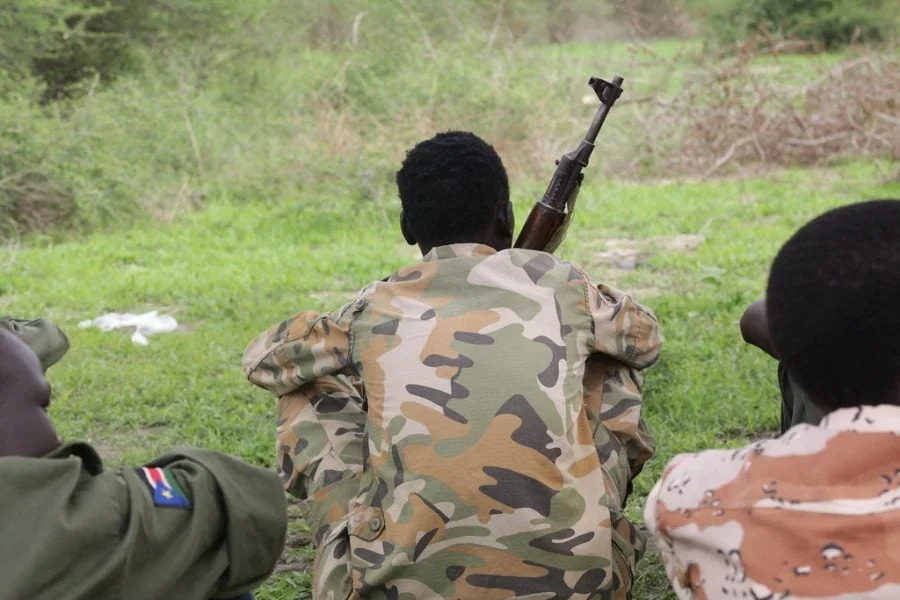
Morocco has chaired in New York the launch of the first Morocco African treaty on child soldiers, a new regional Convention against the recruitment and exploitation of children by armed groups.
Morocco African treaty on child soldiers: what to know
On 23 September, around twenty African countries officially signed the African Convention on the disarmament, demobilisation and reintegration of child soldiers.
The ceremony took place at the headquarters of Morocco’s Permanent Mission to the United Nations, on the sidelines of the 81st session of the UN General Assembly.
This text is the first in Africa to establish structured regional cooperation to prevent and combat the recruitment of children by armed groups. It also aims to include these children in disarmament, demobilisation and reintegration programmes at continental level.
Morocco’s driving role in the Convention
The ministerial meeting was chaired by Moroccan Foreign Minister Nasser Bourita. He presented the Convention as an example of African action carried out “with one voice” and based on the continent’s own capacities.
According to him, this tool shows that Africa can “develop its own standards instead of importing them”. By promoting the Morocco African treaty on child soldiers, the kingdom uses its diplomatic profile to push forward a sensitive agenda that combines child protection, peace and security.
The Convention was drafted with the participation of several actors:
- African governments;
- experts in armed conflicts and DDR (disarmament, demobilisation, reintegration);
- field organisations working with war-affected children;
- other African stakeholders.
The goal is to strengthen cooperation between states and make it easier to share experiences, good practices and lessons learned.
From Rabat to New York: a long-term process
The New York signing builds on a process launched in Morocco. On 20 November 2025, Rabat hosted a ministerial conference focused on child-centred disarmament, demobilisation and reintegration.
That meeting produced the Rabat Declaration, which provided the political and technical foundation for the draft African Convention. It was followed by consultations with African DDR experts and participating states to refine the text.
The Convention includes concrete measures to support the sustainable reintegration of former child soldiers into their communities. It highlights education, psychological support and access to decent livelihoods.
A message that matters for Moroccans living abroad
For Moroccans living abroad, this dynamic confirms a strong axis of the kingdom’s diplomacy: promoting peace, security and human rights in Africa.
This positioning can strengthen Morocco’s image in their countries of residence, especially in academic, professional or civil society circles that are sensitive to child protection and conflict prevention.
It can also support initiatives by Moroccans abroad engaged in cooperation, education or development projects in Africa, by offering a recognised continental framework for dealing with children affected by conflict.
Beyond economic or migration issues, the Morocco African treaty on child soldiers underlines Morocco’s African commitment on a deep, long-term topic.
Next steps for the African framework
The launch of the Convention is only a first step. Signatory states now need to ratify the text, transpose it into their national laws and implement it on the ground.
Monitoring, accountability tools and support for the most affected countries will be crucial to turn the political signature into real protection for children.
As the country that hosted the initial talks in Rabat and chaired the signing ceremony in New York, Morocco is now expected to sustain this commitment over time.
For more context, readers can follow Canal212 news for Moroccans abroad.
For official updates, readers can check the relevant official source.
Don’t miss out on the latest news from the diaspora!
Sign up for our next newsletter to receive our practical guides, advice (on procedures and investment) and the latest news for French nationals living abroad, delivered straight to your inbox.