


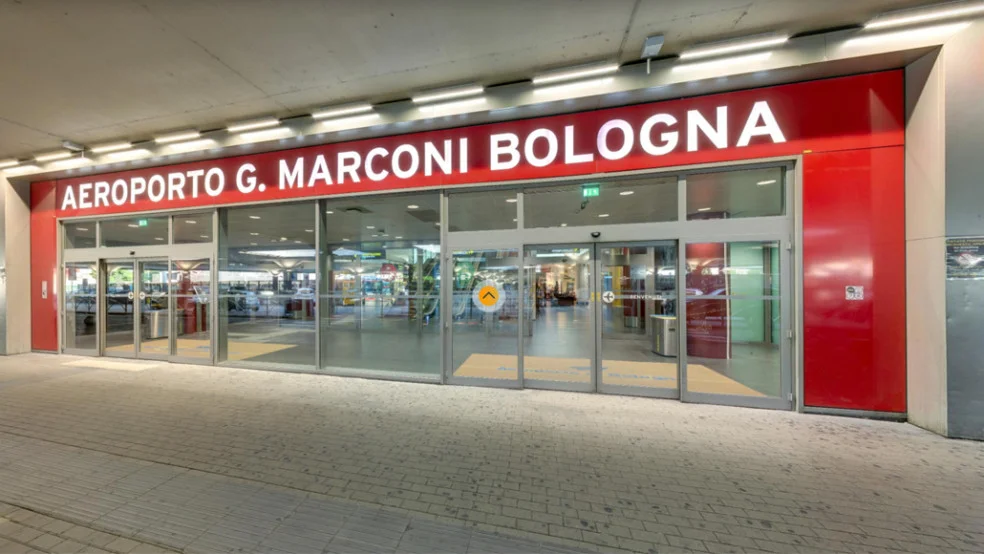
A 25-year-old Moroccan flight attendant, apparently working for Royal Air Maroc, was reportedly sent back from Italy after trying to stay in Bologna without authorization, according to Italian press coverage dated 12 October 2026. The Moroccan flight attendant Italy case does not change travel rules for Moroccans but highlights how strict Schengen border controls remain.
Moroccan flight attendant Italy: what to know
According to the Italian daily quoted by Moroccan media, the events took place recently at Bologna’s Guglielmo Marconi Airport. The young crew member had arrived as part of a Royal Air Maroc flight.
After landing, he allegedly left the aircraft without rejoining the crew for the return leg. The report says he put on an overall on top of his uniform to hide his status as cabin crew and tried to walk out of the airport area.
Border police reportedly intercepted him before he could exit the airport. He was then reported to the judicial authorities, suspected of “interrupting a public service” and “endangering air transport safety”, with the authorities considering that his attempt had disrupted normal airport operations.
Following checks, Italian authorities allegedly refused him entry into the country and put him on a flight back to Morocco the same evening.
Schengen and Italy: strict entry conditions
At this stage, no detailed public statement has been issued by the airline or Moroccan authorities about this Moroccan flight attendant Italy incident. Still, the story underlines a key point for all Moroccan travellers, especially those living abroad who frequently transit through Europe.
Entry into Italy, as in the wider Schengen area, remains subject to strict conditions:
- a valid visa for short stays, except in specific exempt cases,
- respect for the maximum authorised length of stay,
- obligation to leave once your visa or residence permit expires,
- ban on diverting the purpose stated at entry (tourism, family visit, etc.).
The case described so far appears to be an individual initiative, as reported by the Italian newspaper, and does not call into question normal flight operations between Morocco and Italy.
For Moroccans abroad: what to keep in mind
For Moroccans living abroad, the Moroccan flight attendant Italy case is above all a reminder of the risks of breaching migration rules, even for travellers who shuttle regularly between Morocco and Europe.
Border authorities can, in case of infringement, decide on immediate refusal of entry, and in some situations go further with administrative or legal sanctions. This can complicate future trips, visa applications or transits through the Schengen area.
For your next journeys to Morocco or when transiting in Europe, a few basics remain essential:
- always check your visa or residence permit validity before booking,
- respect the authorised duration of stay,
- keep proof of your travel plans with you (return ticket, bookings, insurance),
- follow airline instructions and airport security rules carefully.
To get up-to-date information on travel conditions, it is advisable to consult the official website of your airline, such as Royal Air Maroc, and the websites of embassies and consulates of your transit or destination countries.
The rules for entering Italy or the rest of Schengen have not been changed by this incident, but it illustrates tighter border vigilance and the importance, for Moroccans abroad as well as travellers from Morocco, of preparing each trip seriously.
Planning trips between Europe and Morocco
For Moroccans settled in Europe who regularly return home, good planning remains the best way to avoid problems: choosing travel dates with your residence documents in mind, checking transit conditions, and using practical guides that focus on trips and returns to Morocco.
Beyond this one case, it is a useful reminder: even on routes you know well, migration and security rules are non-negotiable.
For more context, readers can follow Canal212 news for Moroccans abroad.
Don’t miss out on the latest news from the diaspora!
Sign up for our next newsletter to receive our practical guides, advice (on procedures and investment) and the latest news for French nationals living abroad, delivered straight to your inbox.