


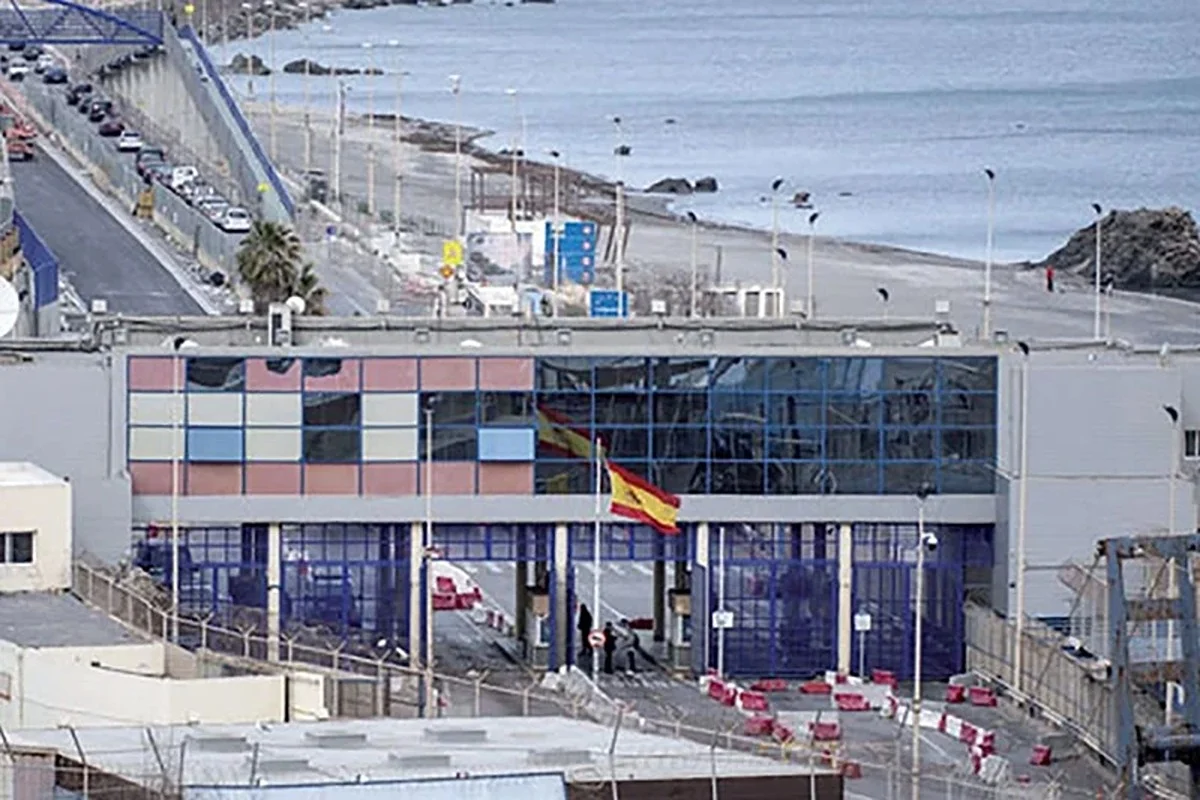
This update focuses on Felipe VI Ceuta Melilla. The forthcoming visit of King Felipe VI and Queen Letizia to Ceuta and Melilla in mid-October has reignited a highly sensitive issue between Rabat and Madrid, without changing, for now, the travel rules for Moroccans living abroad.
Felipe VI Ceuta Melilla: a highly political trip
Spain’s Royal Household has announced that Felipe VI will travel to Ceuta and Melilla on 13 and 14 October on an official visit. It will be the first visit by a Spanish monarch to both enclaves in almost twenty years.
The previous one dates back to 2007, when King Juan Carlos visited the two cities. That trip sparked a diplomatic crisis with Morocco and a strong reaction within Moroccan public opinion.
As soon as the new visit was announced, activist Yahya Yahya, president of the Committee for the Liberation of Sebta, Melilla and the adjacent islands, denounced what he called an “escalation move” by Spain. In his view, it is a provocative initiative towards Morocco and Moroccans.
A “shameful visit” and a call for symbolic mobilisation
In a written statement, Yahya Yahya described the trip as a “shameful visit” and called for symbolic mobilisation. He urged Moroccans, particularly those living abroad, to remain vigilant and to express their attachment to the Kingdom’s territorial integrity.
His stance is in line with his recent public positions. A few days earlier, in front of the Spanish consulate general in Nador, he had already warned against the consequences of such a visit and recalled how sensitive the issue of Ceuta and Melilla is for Moroccans.
Yahya Yahya is calling for peaceful actions that would be visible to the Spanish authorities in the enclaves and in places that, in his view, symbolise Spain’s presence in Morocco. He notably mentions diplomatic representations and several sites with strong historical significance.
What does it change for Moroccans living abroad?
For Moroccans abroad, the key questions concern borders, travel and administrative procedures. At this stage, no official change to entry and exit rules has been announced by either the Moroccan or Spanish authorities in connection with the visit of Felipe VI to Ceuta and Melilla.
Border crossings at Ceuta and Melilla remain governed by existing regulations. Moroccans who transit through Spain to reach Morocco can maintain their bookings and itineraries, while keeping an eye on any official updates.
In the absence of any contrary announcement, this visit remains primarily political and symbolic. It revives an old dispute but does not, at this point, affect travel plans, returns to Morocco or investment projects of Moroccans living abroad.
Practical tips for upcoming trips
In a sensitive context like this, basic precautions are advisable for travellers using Spanish ports and airports to reach Morocco.
- Check information regularly on official Moroccan and Spanish websites, including portals dedicated to Moroccans abroad.
- Plan extra time if using land crossings at Ceuta and Melilla, where higher traffic or tighter checks are possible around the dates of the visit.
- Keep all travel and residence documents at hand, especially for families in transit with children.
For Moroccans abroad who closely follow developments in northern Morocco, this episode is a reminder of how territorial and diplomatic issues can, in the long run, influence mobility and return plans.
The Felipe VI Ceuta Melilla visit is another chapter in a long-running dispute that the diaspora watches carefully, while continuing to organise trips and stays in Morocco under the current regulations.
For more context, readers can follow Canal212 news for Moroccans abroad.
For official updates, readers can check the relevant official source.
Don’t miss out on the latest news from the diaspora!
Sign up for our next newsletter to receive our practical guides, advice (on procedures and investment) and the latest news for French nationals living abroad, delivered straight to your inbox.