


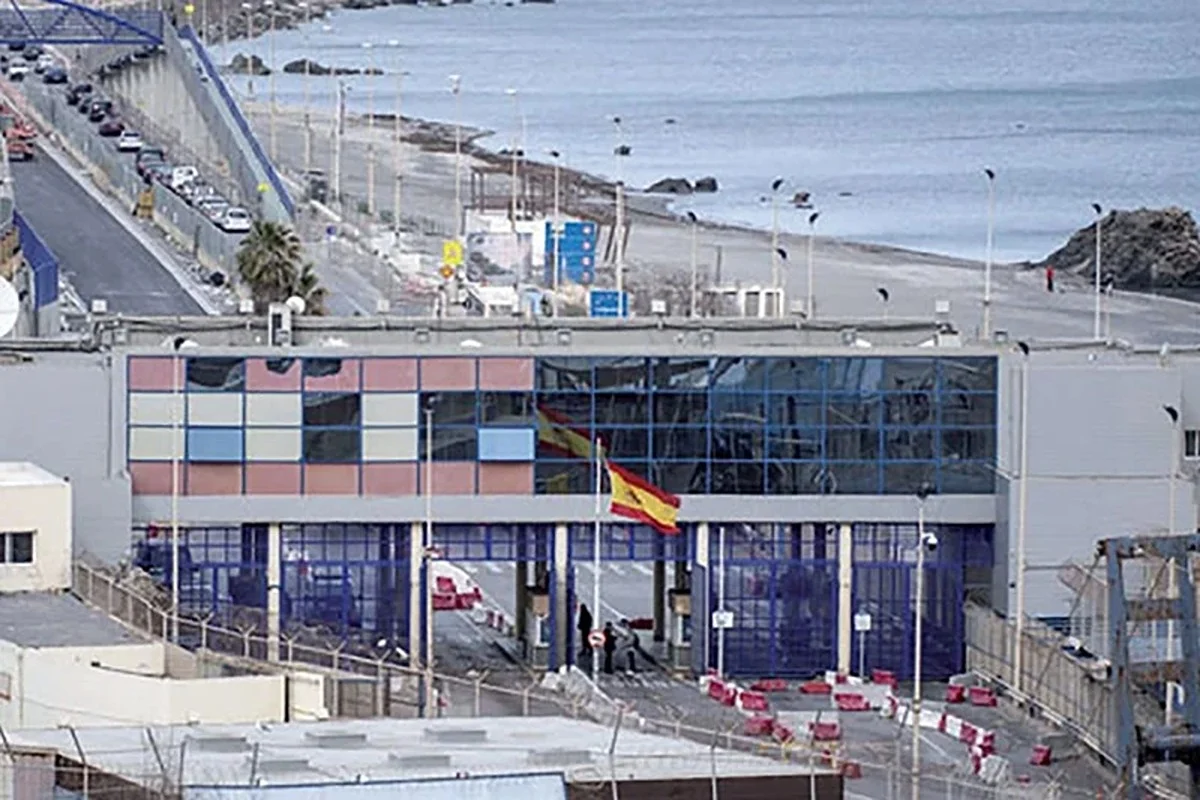
Moroccan authorities have quietly but visibly stepped up Sebta border security on election day, without disrupting daily life or travel across the north.
Reinforced presence between Tangier and Fnideq
Before polling stations even opened on Wednesday 23 September, a stronger security deployment was visible along the Tangier–Fnideq road and around the Spanish-held enclave of Sebta.
Local observers and civil society actors reported reinforced checkpoints on several strategic routes leading to Fnideq and near the border post. Forest areas surrounding the zone have also come under closer surveillance.
Authorities deployed Auxiliary Forces and security services to act preventively and maintain room to react in a context where online content has been circulating, calling for a collective attempt to reach Sebta.
Sebta border security tightens amid online calls, but day stays calm
The tougher Sebta border security measures come after social media posts encouraged people to head to the frontier for a mass crossing.
On the ground, by midday no incident had been reported. A community activist in Fnideq said the situation remained calm on the main roads leading to the town and near the border post.
According to his account, there have so far been no attempts to storm the enclave and no organised groups seeking to enter, either individually or collectively. At the same time, security services are monitoring movements on the ground as well as the digital content being shared online.
What changes for Moroccans living abroad
For Moroccans living abroad planning a trip to the north or a drive near the enclave, the current Sebta border security posture is mainly preventive.
At this stage:
- no official shutdown of the border crossing has been announced;
- Fnideq and its surroundings are functioning normally;
- main roads remain open, with additional checks on certain segments;
- no widespread disruption of traffic has been reported.
Moroccans arriving by air to Tangier, Tetouan or other airports are not directly affected, unless they plan a specific trip to the Sebta border area.
Practical tips before travelling north
In this context, caution is recommended, but there is no reason for panic at this point. For Moroccans abroad preparing a return home or a stay in the region, a few basic tips apply:
- do not respond to anonymous social media calls for mass border crossings;
- regularly check official updates on flights and sea crossings;
- allow extra time for any road trip to the Sebta crossing, in case of reinforced checks;
- stay in touch with relatives or trusted contacts in the area to follow local developments.
Regarding tickets and bookings, no structural change has been announced so far. Major airlines and ferry operators are maintaining their schedules, subject to last-minute updates that travellers should always confirm directly with the companies.
Security concerns and mobility realities
This new focus on this case reflects a long-standing Moroccan approach: trying to control irregular movements towards the northern enclaves while keeping legal mobility as smooth as possible.
For Moroccans abroad, this episode is a reminder of the importance of separating official travel channels from improvised initiatives spread online. Returns home, family visits and holidays can continue to be planned normally, but travellers should be aware that the border area is under closer watch.
Until there are new developments, one key message stands out for anyone heading north: stay informed through official sources and transport operators before approaching sensitive border zones.
For more context, readers can follow Canal212 news for Moroccans abroad.
For official updates, readers can check the relevant official source.
Don’t miss out on the latest news from the diaspora!
Sign up for our next newsletter to receive our practical guides, advice (on procedures and investment) and the latest news for French nationals living abroad, delivered straight to your inbox.